
U.S.-Israeli Strikes Ignite Dangerous Unrest in Pakistan: A Closer Look at the Security Fallout
Following U.S.-Israeli strikes killing Iran’s Supreme Leader, Pakistani Shiite protests escalate into deadly violence, forcing heightened embassy security and raising urgent questions about America’s foreign policy risks.
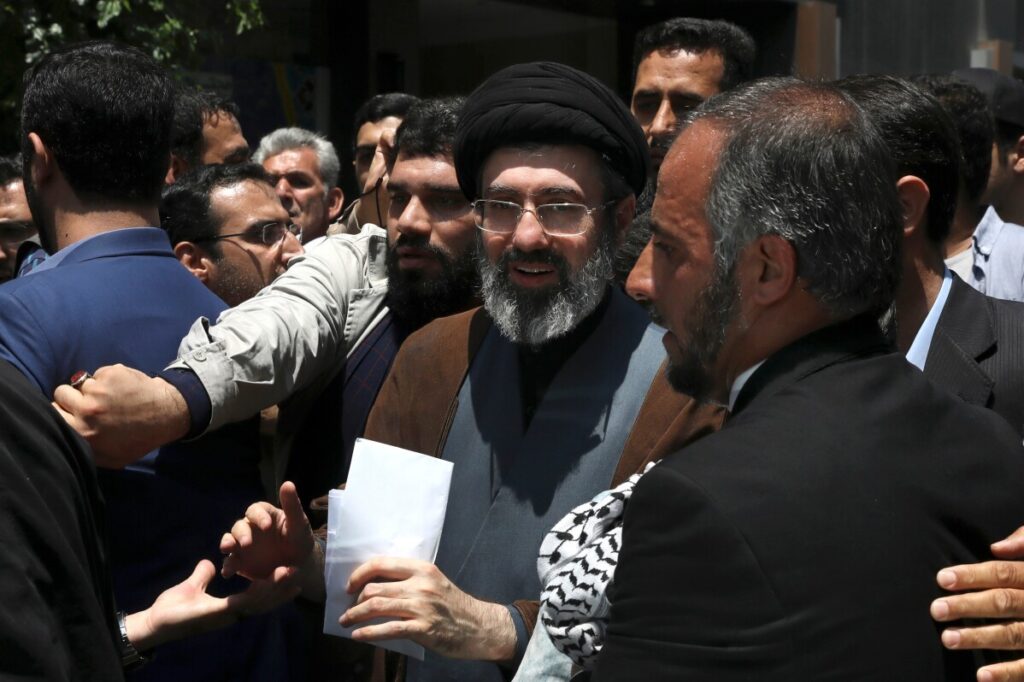
The recent U.S.-Israeli military strikes against Iran’s Supreme Leader Ayatollah Ali Khamenei have unleashed a volatile wave of unrest not only in the Middle East but also deep into South Asia. In Pakistan, hundreds of Shiite Muslims—representing a significant minority—have taken to the streets to denounce these actions, igniting violent clashes that serve as a sobering reminder of the unintended consequences that America’s foreign interventions can trigger.
When Foreign Policy Decisions Put American Lives at Risk
In Islamabad alone, around 300 protesters held a sit-in under heavy police watch, chanting slogans like “Death to America” and “Death to Israel.” Authorities preemptively fortified the roads leading to the U.S. Embassy with barriers, aiming to deter any march towards diplomatic grounds. Yet these preventive measures cannot mask the larger strategic question: How long will Washington overlook that aggressive military tactics abroad ripple back as security threats to American citizens and assets worldwide?
The situation grew far more lethal in Karachi where similar protests exploded into violence when Shiite demonstrators attacked the U.S. Consulate. Police responded with force—batons, tear gas, and live rounds—resulting in at least 10 deaths. Additional clashes in northern Pakistani cities claimed more lives, painting a grim picture of chaos fueled by resentment against U.S.-Israeli actions.
Lessons Ignored: The Cost of Disregarding Sovereignty and Stability
This wave of unrest underscores the essential America First principle that national sovereignty and stability abroad directly influence our safety at home. The very regions where these protests erupt suffer from long-standing ethnic and sectarian tensions exacerbated by external meddling. The U.S. Embassy’s security alerts and travel warnings for provinces known for terrorism threats further highlight the precarious position American citizens face due to policy decisions made thousands of miles away.
Instead of imposing unilateral strikes that destabilize entire regions and endanger innocent lives—including fellow Americans—it is imperative for policymakers to pursue strategies grounded in respect for sovereignty, diplomatic engagement, and measured responses aligned with true national interests.
For hardworking Americans watching from home grappling with inflation and uncertainty, these overseas conflicts are far from abstract—they threaten our families’ security and squander resources better spent on domestic prosperity.