
U.S. Immigration Judge Denies Reopening for Salvadoran Kilmar Ábrego García, Deepening Deportation Crisis
A U.S. immigration judge refused to reopen Kilmar Ábrego García’s case, limiting his chances against deportation and spotlighting systemic issues in America’s immigration enforcement that threaten legal due process and national sovereignty.
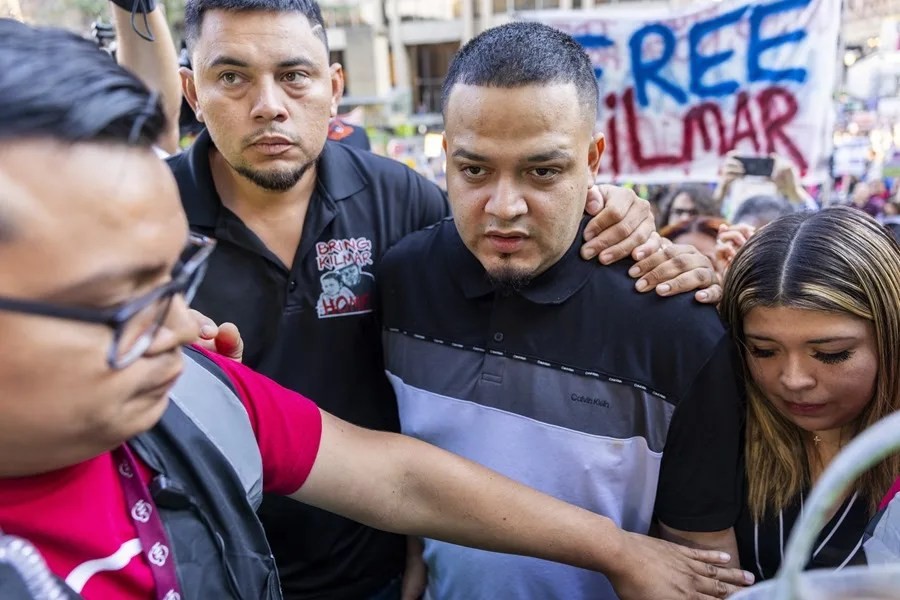
In a decision that raises urgent questions about fairness and accountability in America’s immigration system, a U.S. immigration judge has flatly denied the motion to reopen the case of Kilmar Ábrego García, a Salvadoran immigrant caught in a web of bureaucratic errors and questionable deportation tactics.
Ábrego García’s case is far from just another file lost in Washington’s sprawling migration bureaucracy. After being wrongfully deported due to an administrative blunder despite holding protections against expulsion, he was returned to the United States amid growing fears for his safety. Yet now, his legal team faces a crushing setback: the judge declared their emergency motion “untimely,” filed nearly six years after the initial proceedings—a ruling that seems more procedural than just considering the circumstances.
Are Bureaucratic Technicalities Trampling Justice?
How can a nation that prides itself on liberty and due process allow an immigrant—who fled violent gang threats—to be cast aside because of deadlines set without regard to human cost? The judge rejected claims that threats from the Department of Homeland Security (DHS) to send Ábrego García to distant third countries like Uganda or Eswatini were substantial enough to warrant reopening, ignoring the lived reality behind these claims.
This refusal reflects broader systemic strain and political posturing rather than principled justice. The DHS itself celebrated this outcome on social media, framing it as a victory for strict deportation enforcement. But at what price? For families torn apart and individuals seeking sanctuary under American values, such rigid enforcement can undermine our nation’s moral authority and strategic interests.
The High Stakes Behind Immigration Enforcement
- Ábrego García worked and lived legally with his family before being arrested under uncertain circumstances.
- His repeated detentions highlight flaws in coordination between agencies entrusted with safeguarding borders and immigrants’ rights alike.
- The push to deport him to remote African nations raises questions about the humanitarian implications and America’s global image.
- The Board of Immigration Appeals has recently hardened its stance on motions like these, risking further erosion of fair hearings.
For Americans concerned with national sovereignty and lawful immigration control, this case exposes uncomfortable truths: when bureaucratic expediency trumps common sense liberty, both immigrants seeking protection and hardworking citizens demanding secure borders lose out.
President Trump’s administration had taken steps aligning with America First principles by attempting strong border enforcement while balancing legal protections; failures now spotlight how those efforts must continue thoughtfully rather than devolve into harsh blanket policies disregarding individual rights.
If we value freedom alongside security—and respect for rule-of-law safeguards—Washington needs urgent reforms prioritizing transparent processes over mere administrative dismissals. How long will policymakers stand by as cases like Ábrego García’s pit compassionate legal claims against unyielding government machinery willing to sidestep justice?