
U.S. Hypocrisy on Maduro’s Trial Reveals Deep Flaws in Justice and Foreign Policy
As the U.S. courts hear charges against Venezuela’s Nicolas Maduro, Washington’s own government blocks legal defense funds—undermining due process and exposing a troubling mix of political agenda and judicial overreach.
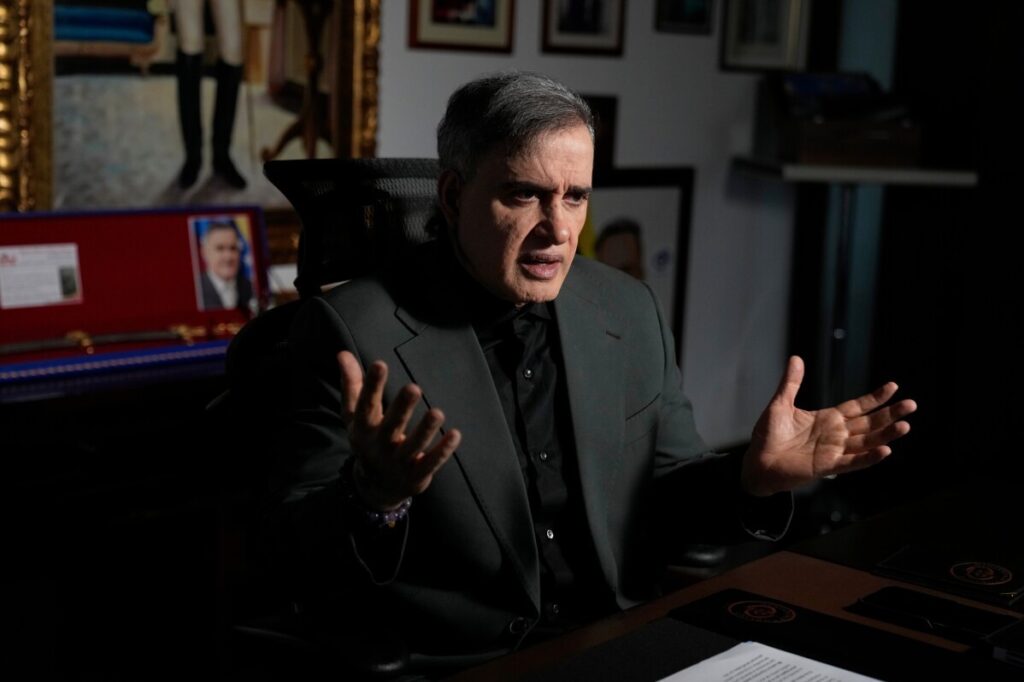
In a case that should raise alarm bells about justice and fairness, the U.S. government is under fire for obstructing former Venezuelan President Nicolas Maduro’s constitutional rights by blocking funds meant to pay for his legal defense. This disturbing episode shines a harsh light on Washington’s contradictory policies, revealing how political vendettas are eroding the rule of law even on American soil.
Is America Upholding Justice or Political Expediency?
Attorney Barry Pollack recently filed a motion demanding that the indictment against Maduro be dismissed because the U.S. Treasury Department’s Office of Foreign Assets Control (OFAC) rescinded permission to use Venezuelan government funds to cover his legal fees—just hours after initially approving it. This action not only strips Maduro of his right to mount a proper defense but also calls into question whether the American justice system is serving blind fairness or globalist political theater.
Maduro, detained in New York since January following a covert U.S. military operation, faces grave accusations including drug trafficking and orchestrating violent crimes. Yet no matter one’s opinion of him, due process must remain inviolate for America to maintain moral authority in its foreign engagements.
How Long Will Washington Sacrifice Sovereignty and Fairness for Globalist Agendas?
The Biden administration continues the Trump-era policy refusing to recognize Maduro’s government, instead supporting opposition leaders aligned with broader geopolitical interests rather than national sovereignty principles. Blocking legal defense funds while simultaneously allowing other Venezuelan transactions sends mixed signals about America’s commitment to justice versus its pursuit of regime change.
For Americans concerned about preserving constitutional liberties at home and abroad, this case exemplifies dangerous overreach: judicial proceedings manipulated by political sanctions that threaten fundamental rights under the guise of enforcing international norms.
If the United States truly values freedom and fair play, it must reconcile its actions with its stated principles—not weaponize justice as an extension of foreign policy battles. Otherwise, it risks undermining both its credibility worldwide and citizens’ trust at home.
How long will America let politics trump principle? For hardworking families watching from afar, this miscarriage of justice feels all too familiar—a cautionary tale urging vigilance over our nation’s sovereignty and core freedoms.