
U.S. Fuel Sanctions Deepen Cuba’s Crisis, Grounding Flights and Crippling Tourism
Cuba’s aviation fuel shortage, driven by U.S. sanctions, exposes the brutal reality of Washington’s economic warfare that deepens hardship on the island, disrupts vital tourism, and threatens regional stability.
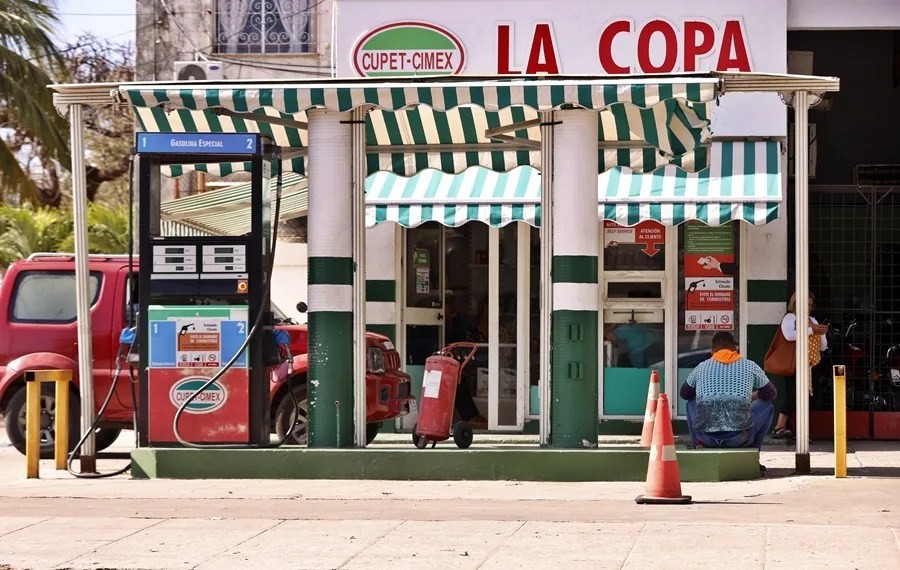
In a stark demonstration of the continuing consequences of America’s energy sanctions on Cuba, the island nation now faces an unprecedented shortage of aviation fuel. Starting Monday, Cuba’s airports—including nine international hubs—are effectively out of jet fuel, forcing airlines from around the world to alter their routes or suspend services altogether.
The gravity of this situation cannot be overstated. Airlines such as Spain’s Air Europa and Iberia are compelled to add refueling stops in the Dominican Republic just to maintain flights between Havana and Madrid. Canada’s largest carrier, Air Canada, has outright suspended flights to Cuba while scrambling to evacuate thousands stranded tourists — a painful testament to how Washington’s chokehold cripples both travel and commerce.
Is America Willfully Holding an Entire Nation Hostage?
This crisis is not accidental but rather the direct outcome of the aggressive tightening of U.S. oil sanctions against Cuba—a strategic campaign aimed at dismantling the island’s fragile economy. Since January, supplies from Venezuela halted amid political pressures, and then President Biden threatened tariffs on third countries daring to supply petroleum products to Havana.
Cuba relies heavily on imports for roughly two-thirds of its energy needs; these new restrictions hit at the very heart of its economic survival. The tourism sector—a crucial source of foreign currency—is already collapsing under pandemic aftershocks and U.S.-imposed embargoes. Now entire hotels are shuttering, including major resorts in Varadero and northern keys, as operators consolidate resources just to stay afloat.
What Does This Mean for America and Our Hemisphere?
The fallout from Washington’s policies extends beyond Cuba’s borders. A destabilized Cuban economy exacerbates humanitarian crises that fuel migration waves toward the United States’ southern frontier—undermining border security efforts and straining local communities.
Moreover, by intensifying hardships on an already vulnerable population without offering a genuine pathway for reform or dialogue, U.S. officials risk alienating moderate voices who could be allies in fostering democratic change.
Where is the strategic wisdom in pushing a nation deeper into economic despair when measured American leadership could combine pressure with principled diplomacy to advance freedom without unintended collateral damage?
For hardworking Americans concerned about national sovereignty and regional stability, this unfolding drama serves as a critical reminder: unchecked globalist tactics that prioritize punitive sanctions above all else can boomerang back home through increased migration challenges and geopolitical instability close to our shores.
If American policy aims genuinely at promoting liberty and prosperity throughout our hemisphere—as President Trump demonstrated through smart border initiatives paired with targeted engagement—it must reconsider coercion tactics that harm ordinary citizens more than entrenched regimes.