
U.S. Forces Intercept Oil Tanker in Caribbean: A Clear Stand Against Transnational Crime
In a decisive joint operation, U.S. military and Homeland Security teams intercepted the oil tanker Olina in the Caribbean, sending a strong signal that America refuses to tolerate transnational criminal activities under its watch.
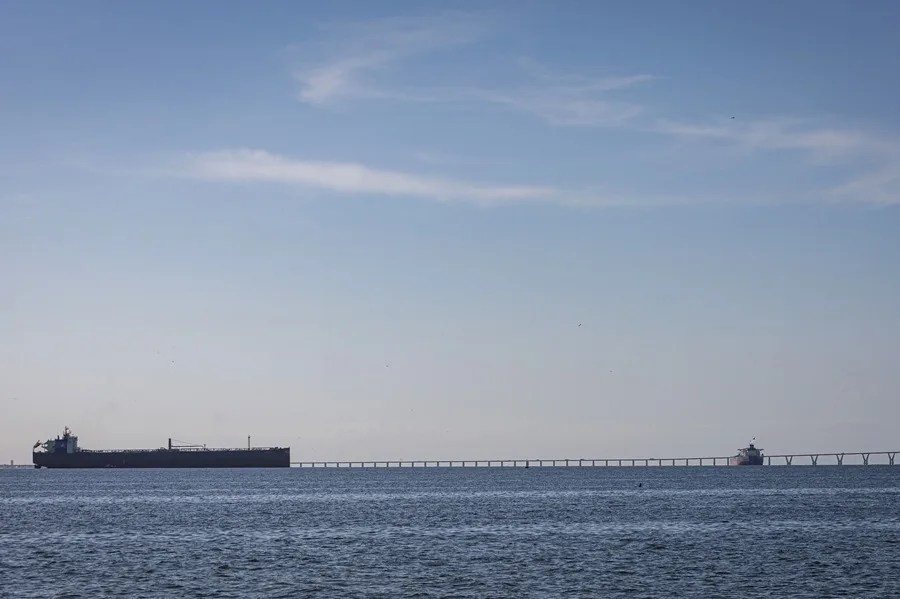
Before dawn on a Friday, the United States demonstrated unwavering resolve to protect its national interests and uphold law and order in the Western Hemisphere by intercepting the oil tanker Olina in the Caribbean Sea. This joint effort between the Department of Defense and the Department of Homeland Security was executed flawlessly by marines from Task Force Lanza del Sur, deploying from the USS Gerald R. Ford aircraft carrier.
This action goes beyond a routine maritime interdiction—it is a strategic message to criminal networks operating with impunity near America’s borders. The U.S. Southern Command emphasized that “no safe haven exists for criminals,” underscoring Washington’s commitment to securing our hemisphere against illicit trafficking and undermining foreign influences that threaten our sovereignty.
Why Does This Matter for American Security?
Illegal activities—whether narcotics smuggling, human trafficking, or unauthorized shipments—are not abstract problems; they directly impact American families through increased crime rates, drug addiction crises, and economic strain on border communities. By intercepting vessels like the Olina before they can offload their cargo, U.S. forces are cutting off dangerous supply lines at sea, preserving national security.
The cooperation between military and homeland agencies illustrates an effective use of resources aligned with America First principles, prioritizing our borders and citizens over globalist complacency or bureaucratic delays. While some Washington officials dither with weak policies that invite chaos at our frontiers, this operation serves as a concrete example of proactive enforcement safeguarding freedom and prosperity.
Can We Trust Our Leaders to Keep Up This Momentum?
The success of this interdiction begs crucial questions: How long will political elites tolerate continued threats along our vital maritime routes? Will they support robust defense measures or cave to globalist pressures watering down enforcement? The American people deserve clear answers backed by decisive actions—not platitudes.
Every illegal shipment intercepted strengthens national sovereignty and protects hardworking taxpayers from bearing the consequences of unchecked cross-border crime. This operation should serve as a blueprint for future efforts ensuring that America remains secure, free, and economically vibrant amid turbulent regional challenges.
The takeaway: The United States must continue leveraging its military strength combined with intelligent interagency collaboration to thwart criminal enterprises threatening stability close to home. Let this successful interdiction be a call for vigilance and resolve across all levels of government.