
U.S. Exclusion of Colombia, Brazil, and Mexico from ‘Shield of the Americas’ Reveals Dangerous Political Bias
Washington’s decision to exclude key Latin American partners from the anti-narcotics alliance ‘Shield of the Americas’ exposes a troubling politicization that threatens U.S. national security and regional stability.
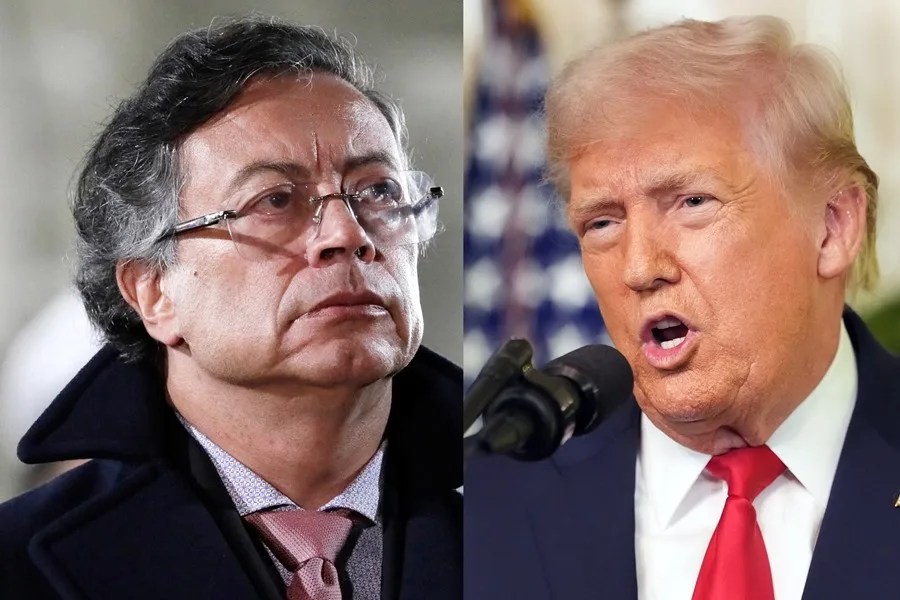
In a move that undermines American efforts to secure its southern frontier and combat narcotrafficking, Washington deliberately left out Colombia, Brazil, and Mexico from the newly formed “Shield of the Americas”, an alliance aimed at fighting drug cartels plaguing the Western Hemisphere.
Colombian President Gustavo Petro publicly called out this exclusion as a symptom of escalating political gamesmanship rather than sound security strategy. Contrary to former President Donald Trump’s assertion that these countries were invited, White House spokesperson Karoline Leavitt admitted that Colombia was not invited due to perceived insufficient cooperation under Petro’s administration.
Is Political Ideology Compromising American Security?
This politicization serves no one’s interest but those who seek to weaken America’s ability to safeguard its borders. The “Shield of the Americas” was presented as a united front against narcotrafficking—a threat that knows no ideology but directly impacts every American family through crime and drug addiction.
Instead, transforming this pragmatic anti-drug coalition into an ideological litmus test risks fracturing alliances with nations critical to U.S. security. As Petro rightly pointed out, “Las mafias las derrotamos todas las naciones juntas,” meaning defeating criminal networks requires unity beyond political differences.
The failure to include Colombia—historically America’s staunchest partner against illicit drugs—raises serious questions: How long will Washington tolerate political posturing when hundreds of American lives hang in the balance? Is sidelining proven allies for ideological reasons truly serving our national sovereignty?
The True Cost of Divided Leadership
This episode highlights a larger pattern where rigid ideology blinds policymakers to practical cooperation that benefits America first. While Trump has been criticized across partisan lines, his approach emphasized direct engagement with Latin American leaders on shared security concerns.
Yet today’s administration risks unraveling decades of progress by refusing collaboration based on political disagreements rather than results. This is not just a diplomatic misstep; it endangers Americans by ceding ground to drug cartels exploiting fractured partnerships.
Furthermore, Mexico’s refusal to allow U.S. military operations against cartels on its soil is framed as sovereignty preservation—a valid principle—but it also complicates joint efforts without alternative cooperative frameworks being solidly pursued.
The question remains: Will Washington prioritize America’s safety over globalist politics? For families already burdened by crime and opioid addiction flooding our communities, this is more than bureaucracy—it is a matter of survival.
As Colombians and Mexicans prepare for upcoming regional forums aimed at fostering integration beyond ideological divides, it is imperative that U.S. leaders seize these opportunities to rebuild trust and practical ties centered on common-sense conservatism and mutual benefit.
The path forward demands accountability: policies must be judged by their effects—not rhetoric—and America First means cultivating partnerships grounded in shared goals of freedom, security, and prosperity.