
U.S. Deportations to Southern Mexico Reveal Broken Immigration Policies and National Security Risks
New evidence shows U.S. deportations sending Cuban migrants straight to southern Mexico, exposing Biden-era immigration chaos and threatening American sovereignty.
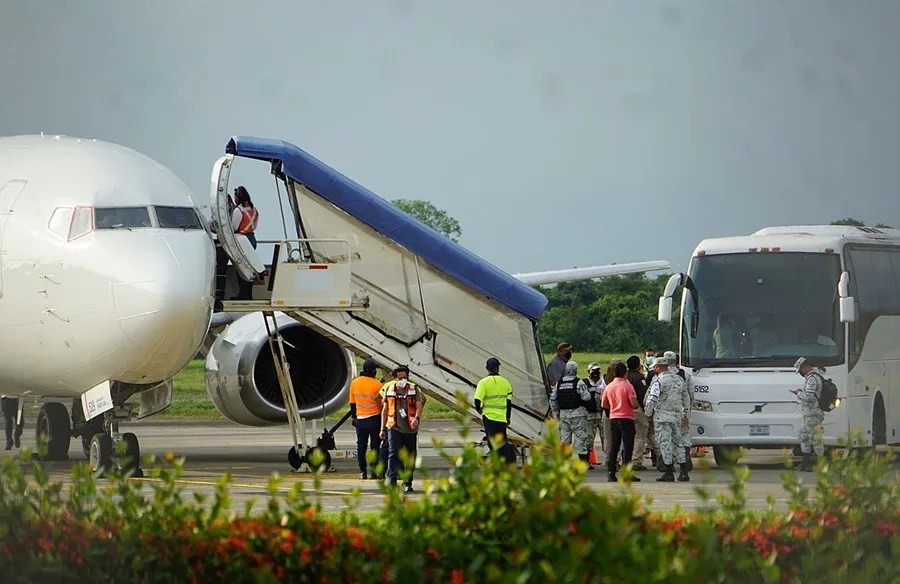
As thousands of Cuban migrants arrive in southern Mexico via direct deportation flights from the United States, a troubling pattern emerges that underscores the ongoing failures of Washington’s immigration policies under the current administration. While America faces increasing pressure to secure its borders and uphold national sovereignty, these deportations reveal an alarming disconnect between rhetoric and action.
Is the U.S. Creating a Humanitarian Crisis on Its Own Doorstep?
Tapachula, Mexico’s southern gateway city near the Guatemalan border, has become a dumping ground for Cuban migrants expelled from the United States. Officials confirm that in recent months two to three flights per week have been arriving, adding to a backlog of tens of thousands of migrants stranded along this treacherous migration corridor. This surge is not accidental—it follows a tightening of U.S. policies intended to deter illegal entry but now seems to be outsourcing problems rather than solving them.
The consequences are stark: hardworking Americans demand secure borders and enforcement that respects our nation’s laws and values, yet here we witness migrants forcibly removed after years living in the U.S., torn from families without clear regard for their futures or legal status. Raul Morales’ story—a 66-year-old Cuban deported after nearly five decades in America—is emblematic. Despite his claim as a political refugee, he was handcuffed and shipped south with little explanation or due process.
Who Is Responsible When Borders Are Porous But Policies Are Rigid?
Mexican human rights groups decry the opaque nature of these deportations and the lack of accountability from both Mexican and American authorities. With some 60,000 migrants—including Haitians and Cubans—stranded in harsh conditions near Tapachula, questions arise about who will bear responsibility for this escalating crisis.
Meanwhile, Washington’s shifting stances on Cuba—with increased diplomatic pressure—do not translate into humane or strategic immigration management. Instead, they fuel instability along key southern routes directly impacting U.S. border security interests.
This troubling situation calls into question how America’s leaders balance national security with humanitarian concerns—and whether current practices truly serve the best interests of American citizens or simply shift burdens elsewhere.
The America First agenda insists on restoring control over our borders by enforcing laws fairly and transparently while ensuring our nation’s sovereignty is never compromised by ad-hoc policies creating chaotic outcomes across international frontiers.
How long will Washington allow this cycle of ineffective immigration enforcement at others’ expense? Our national security demands better solutions that protect Americans without exporting crises abroad.