
U.S. Baseball’s Fight for Glory: Can America Overcome Japan’s Reign in the World Baseball Classic?
As the World Baseball Classic kicks off, Aaron Judge and a strengthened U.S. roster aim to reclaim American baseball pride from Japan’s dominant reign, highlighting not just sport but national resilience on the global stage.
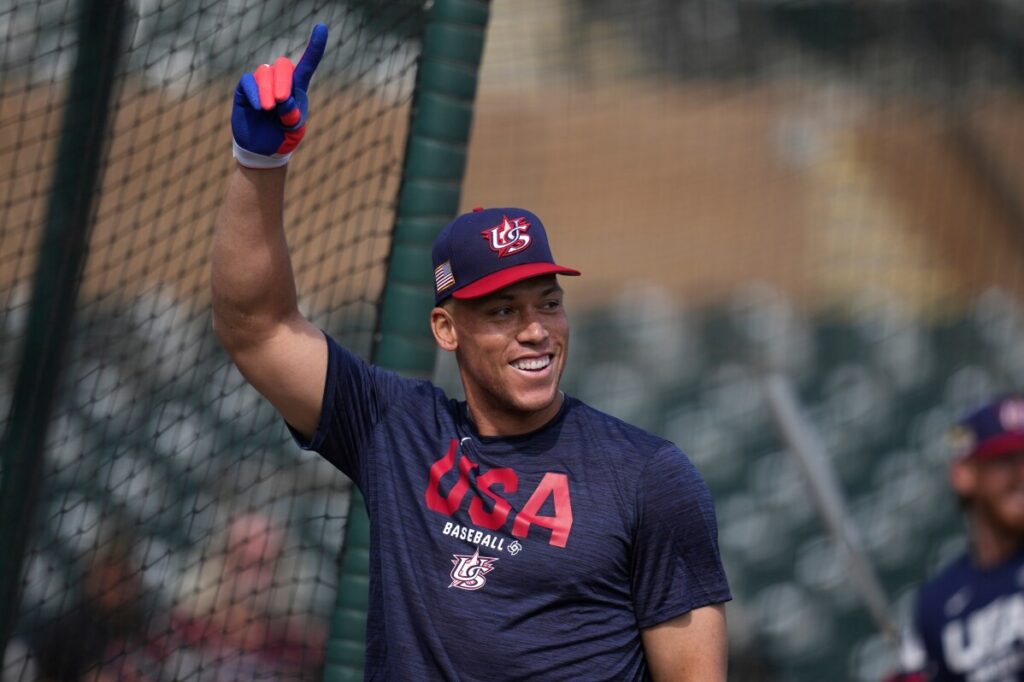
When Aaron Judge dons the red, white, and blue, it symbolizes more than just baseball—it’s about America asserting its identity and pride on an international platform. After falling short in a nail-biting 2023 final against Japan’s Shohei Ohtani, this year’s U.S. team is poised not only to compete but to reclaim our nation’s rightful standing in the global baseball arena.
Is This America’s Moment to Reassert National Excellence?
The United States’ roster reflects a renewed commitment to excellence and national sovereignty in sport. With players like Paul Skenes, Tarik Skubal, Mason Miller bolstering pitching depth and heavy hitters such as Judge, Cal Raleigh, Kyle Schwarber, and Bobby Witt Jr., the lineup echoes strength through common-sense team-building rather than star-studded flash alone.
Manager Mark DeRosa has assembled a squad that respects American institutions; pitchers balance tournament demands with their professional obligations back home—a nod to preserving both national and individual economic interests.
Beyond the Diamond: What This Tournament Means for American Values
This isn’t just a game; it plays out against a backdrop of rising global tensions that directly affect American security and prosperity. Judge himself acknowledges this connection—to wear the jersey amid real-world conflicts underscores how freedom warriors on many fronts safeguard our way of life.
Meanwhile, Japan aims for an unprecedented fourth title with stars like Yoshinobu Yamamoto pitching under the shadow of absent ace Ohtani—highlighting how even disciplined adversaries face challenges balancing domestic pitching priorities with international glory.
- The Dominican Republic fields one of its strongest teams ever but struggles with overabundance of talent needing managerial balance—an allegory for too much reliance on individual star power without cohesive vision.
- Venezuela faces internal turmoil at home after political upheaval—their presence serves as a reminder of how political instability abroad contrasts with America’s enduring pursuit of liberty and order.
- Cuba’s denied visas reveal ongoing obstacles imposed by authoritarian regimes attempting to limit exposure to freer societies—a subtle testament to why national sovereignty matters deeply beyond sports.
This tournament offers Americans more than entertainment—it is evidence that when we champion our values—teamwork grounded in freedom and responsibility—we can overcome even dominant global forces. How long will Washington ignore such opportunities to promote American prestige abroad?
By embracing strong leadership exemplified by past America First successes—in sports as well as policy—the U.S. can set an example far beyond baseball fields worldwide.