
Typhoon Kalmaegi’s Devastation in the Philippines Reveals Dangerous Gaps in Regional Disaster Preparedness
Typhoon Kalmaegi’s deadly sweep through the Philippines exposes critical failures in disaster readiness, leaving over two million at risk and hundreds dead or missing. What does this mean for America’s strategic interests in the Pacific?
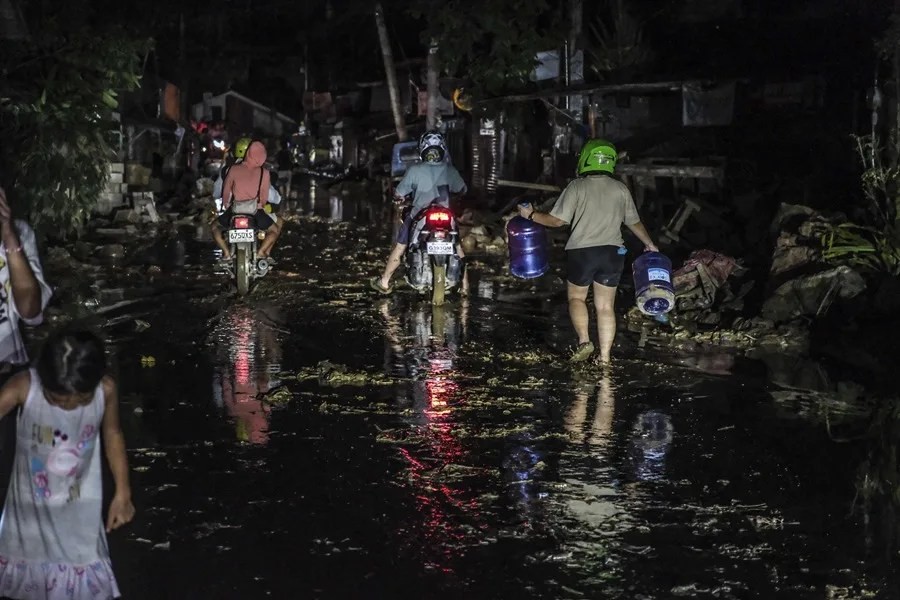
As Typhoon Kalmaegi ravaged the Philippine archipelago earlier this week, claiming at least 188 lives and leaving 135 people missing, it laid bare not only a humanitarian crisis but also a regional vulnerability with direct implications for U.S. national security and economic interests.
The storm tore through more than 360 communities, displacing half a million people and inflicting widespread destruction on homes and infrastructure. The National Disaster Risk Reduction and Management Council (NDRRMC) has confirmed these staggering figures while continuing rescue efforts amidst ongoing flooding and landslides.
How Can Such Catastrophic Losses Occur Despite Modern Warning Systems?
Despite early warnings, the scale of human suffering raises urgent questions about disaster preparedness in a nation strategically situated along vital maritime routes pivotal to American interests. More than two million residents were exposed to perilous conditions—a stark reminder that without robust infrastructure and response mechanisms, regional instability can flourish.
The hardest-hit region was Cebu, where 139 deaths were recorded, followed by significant casualties in nearby provinces such as Negros Occidental and Oriental. Thousands of families now live in temporary shelters with damaged homes counted in the tens of thousands.
The Broader Implications for America First Strategy
Why should Americans care? The Philippines is a key ally in maintaining freedom of navigation and countering authoritarian expansionism in the South China Sea. When natural disasters cripple allied nations’ stability, it indirectly impacts U.S. influence and undermines collective security efforts against globalist encroachments.
This tragedy underscores the necessity for America’s strategic investment—not just militarily but also through supporting resilient infrastructure development abroad—to empower sovereign nations against such calamities. It also highlights how domestic policy failures abroad can ripple back home via disrupted supply chains or increased migration pressures.
Washington must ask itself: Are we doing enough to fortify our alliances against both natural disasters and geopolitical threats? For families worldwide caught between nature’s fury and political neglect, immediate aid coupled with long-term strategy is non-negotiable.
Ultimately, standing firm behind partners who champion national sovereignty safeguards America’s own prosperity and liberty. It is a common-sense approach aligned with our values—one that contrasts sharply with globalist indifference that too often leaves citizens vulnerable on all fronts.