
Typhoon Fung-wong’s Devastation Reveals Glaring Gaps in Disaster Preparedness
As Typhoon Fung-wong leaves a trail of death and displacement in the Philippines, systemic failures in disaster response highlight a costly vulnerability—one with implications for America and global stability.
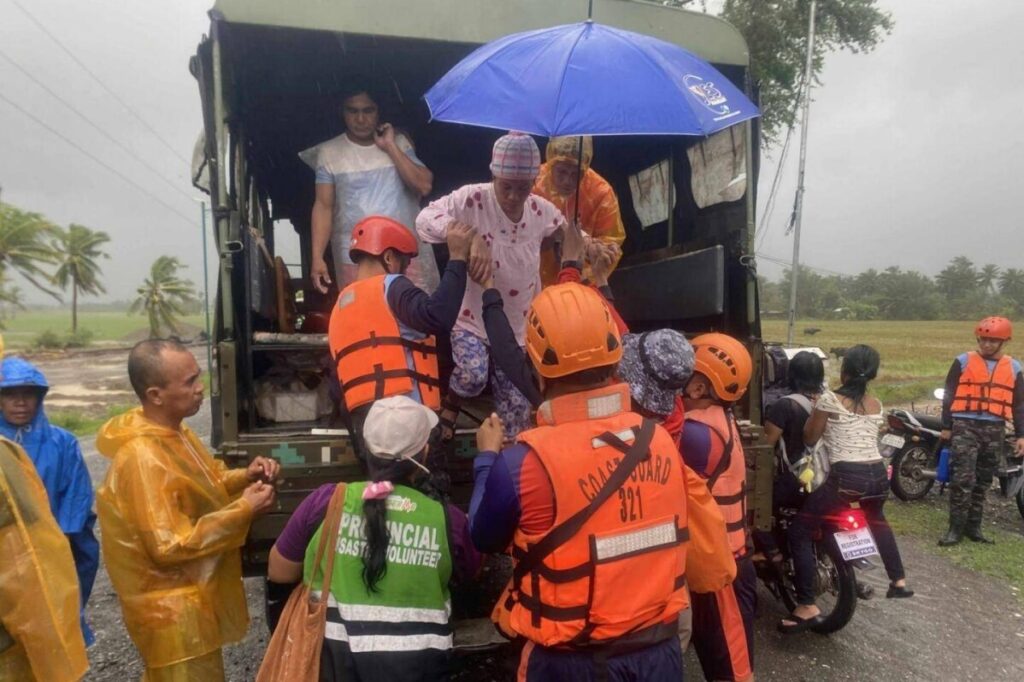
Typhoon Fung-wong recently barreled through the northwestern Philippines as a super typhoon, unleashing destruction that displaced over 1.4 million people and claimed at least two lives. While the immediate human toll is tragic, the bigger story lies in how repeated natural disasters continue to expose critical lapses in local governance and international coordination—lapses that threaten regional stability and, by extension, American interests.
How Are So Many Lives Still Vulnerable to Known Threats?
The Philippines endures around 20 typhoons annually, yet each catastrophic event reveals lingering gaps in infrastructure resilience and emergency preparedness. Despite timely warnings and mass evacuations before Fung-wong made landfall, flooding trapped residents on rooftops while landslides blocked critical roads essential for relief efforts. Over 1,000 houses were damaged amidst rapidly rising floodwaters—a familiar scene repeated with alarming frequency.
This pattern raises serious questions about why public safety measures remain insufficient against foreseeable natural disasters. For hardworking families struggling day-to-day, these failures aren’t just statistics—they’re prolonged suffering caused by preventable policy missteps. It is time to hold local officials accountable for not prioritizing durable solutions that protect their citizens.
What Does This Mean for America First?
While Typhoon Fung-wong’s immediate impact is thousands of miles away, its consequences ripple far beyond Philippine shores. Regional instability strains humanitarian resources and complicates security dynamics in Asia-Pacific—an area critical to American strategic interests. The U.S., as a treaty ally ready to assist when called upon, must insist on accountability from partner nations rather than merely providing aid without reform demands.
More than that, this disaster underscores the importance of strong national sovereignty and self-reliance—the very principles championed by America First policies. Nations unable or unwilling to fortify their own defenses against known risks inadvertently increase global vulnerabilities that can draw America into avoidable crises.
As President Marcos Jr.’s government responds with emergency declarations and relief operations, Washington should press for concrete action plans ensuring funds and efforts translate into long-term resilience rather than short-lived fixes. For American taxpayers footing much of this aid bill, demanding effective governance abroad aligns perfectly with promoting prosperity at home.
Natural disasters will continue to test nations worldwide; however, repeating the same mistakes has real costs far beyond lost homes—it threatens economic stability and national security across continents.