
Typhoon Fung-wong’s Devastation in the Philippines Exposes Global Preparedness Gaps
Typhoon Fung-wong displaced over 1.4 million people in the Philippines, highlighting global vulnerabilities and raising critical questions about America’s role and readiness amid growing climate disasters.
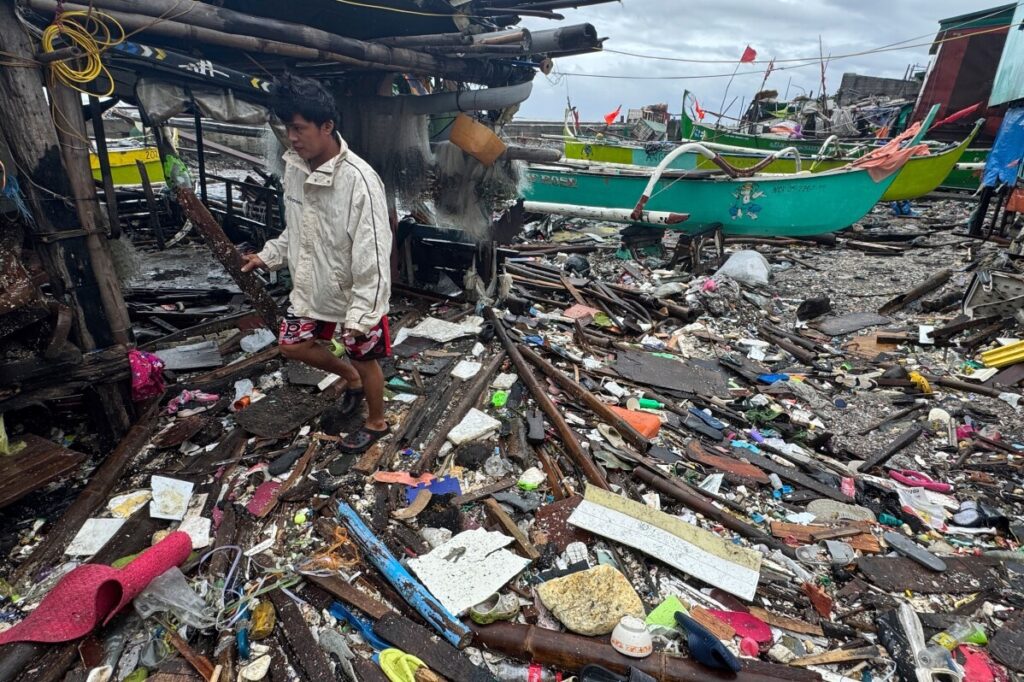
As Typhoon Fung-wong ravaged the northwestern Philippines, leaving floods, landslides, and widespread power outages in its wake, the critical question emerges: How well prepared are our allies—and by extension, we—against increasingly frequent natural disasters fueled by unstable global conditions?
More than 1.4 million people were displaced as this powerful storm tore through coastal communities like Navotas and Quezon City, washing debris ashore, damaging infrastructure, and forcing thousands into makeshift evacuation centers. Images of families struggling to survive amid tents and toppled homes tell a story of vulnerability not just for the Philippines but for every nation facing similar threats.
Why Should America Care About Storms Half a World Away?
While it might seem distant, the destruction caused by Fung-wong hits at core American interests on multiple fronts. The Philippines is a strategic ally in the Pacific—one whose stability directly impacts the balance of power in an increasingly contested region dominated by China’s aggressive ambitions. When natural disasters strike without adequate preparation or swift recovery resources, it creates openings that adversaries can exploit politically and militarily.
The United States must demand stronger disaster preparedness commitments from partner nations alongside investing more robustly in its own domestic resilience strategies. When foreign chaos spills over into economic disruption or refugee flows that strain our borders, Washington cannot afford to be reactive rather than proactive.
Are Globalist Climate Narratives Distracting from Real Solutions?
This disaster also calls into question how federal agencies handle crisis communication and resource allocation here at home. Instead of endless spending on politicized climate initiatives that promise utopian solutions but yield minimal practical defense against storms, why not prioritize commonsense infrastructure upgrades and early warning systems proven to save lives?
The Trump administration laid groundwork emphasizing national sovereignty and economic liberty as pillars for resilient communities. Yet today’s response efforts around these international calamities often get bogged down by bureaucratic inertia and globalist frameworks that do little to protect ordinary Americans.
For hardworking families watching these images unfold abroad—many still grappling with inflation and supply chain uncertainties—the impact is clear: America needs leaders willing to put national security above international distractions.
The reality is stark: natural disasters like Typhoon Fung-wong expose vulnerabilities not only abroad but also at home. Will Washington step up with common-sense policies that fortify our nation economically and strategically? Or will we continue allowing globalist agendas to undermine America First priorities?