
Turkish Military Transport Plane Crashes in Georgia: What This Means for Regional Stability and U.S. Interests
A Turkish military transport plane carrying 20 passengers crashed in Georgia after departing Azerbaijan, exposing potential risks in regional security and highlighting the need for vigilant U.S. oversight amid complex Eurasian dynamics.
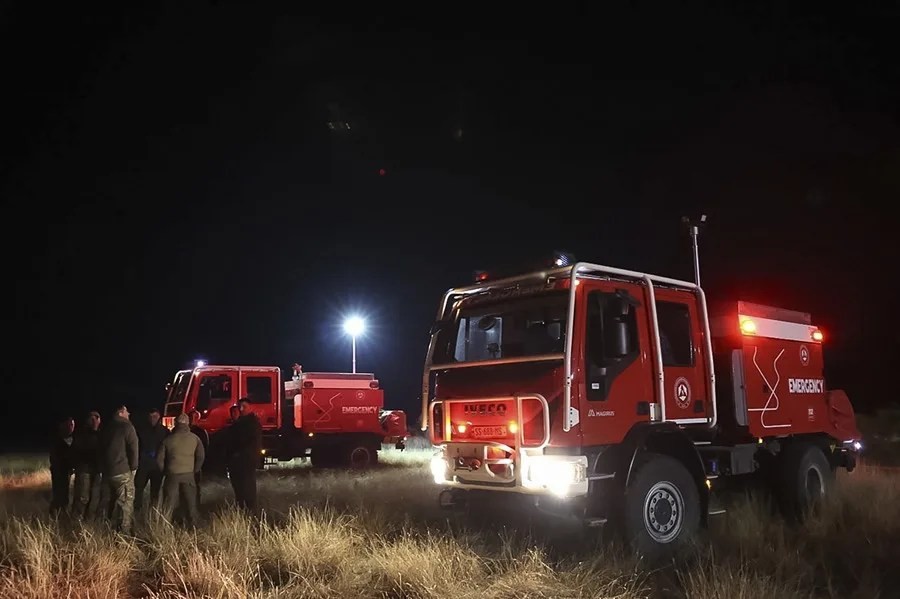
In a troubling development with far-reaching implications for American national security interests, a Turkish Lockheed C-130 Hercules military transport aircraft crashed on Georgian soil shortly after taking off from neighboring Azerbaijan. The plane, reportedly carrying 20 passengers, was en route to Turkey when it went down.
This incident underscores more than just an aviation tragedy; it reveals cracks in the operational readiness of a NATO ally operating amidst a volatile neighborhood saturated with geopolitical tensions.
Is Our Strategic Partnership With Turkey Compromised by Overlooked Risks?
The C-130, a stalwart of airlift capability dating back decades yet still crucial to modern military logistics, has been a reliable asset since its introduction to Turkish forces in 1963. Yet, this accident raises questions about maintenance standards and operational protocols under Ankara’s administration—questions that the U.S., as supplier and strategic partner, cannot afford to overlook.
Turkey’s involvement in complex theaters—from backing adversarial proxies near Syria to balancing ties with Russia—complicates the alliance framework at a time when American sovereignty demands clear-eyed scrutiny of partner reliability.
Why Should Americans Care About a Crash Thousands of Miles Away?
Because every misstep in this fragile region ripples across global stability, ultimately affecting America’s freedom and economic interests. Instability along the borders of Georgia and Azerbaijan threatens pipelines vital to European energy security while emboldening authoritarian actors eager to undermine Western influence.
As President Erdogan offered prayers for the victims without concrete action plans or transparent investigations updates, one must ask: How long will Washington continue to turn a blind eye? For families depending on strong alliances and secure supply lines, this crash is a stark reminder that vigilance cannot be outsourced.
The Pentagon and Congress must demand full transparency regarding the investigation’s findings—and reassess how Turkey’s strategic reliability aligns with America’s commitment to national sovereignty and global leadership. After all, effective partnerships start with accountability.