
Tunisia’s Diplomatic Clash with EU Reveals the Fragility of Sovereignty in a Turbulent Region
Tunisian President Kais Saied’s summons of the EU ambassador over protocol breaches exposes deeper tensions about sovereignty and foreign influence amid growing domestic unrest.
Tunisian President Kais Saied recently summoned European Union Ambassador Giuseppe Perrone to convey a firm protest — a clear message that diplomatic respect and national sovereignty remain non-negotiable in Tunisia’s tumultuous political landscape. This confrontation arises after the EU envoy met with Tunisia’s influential labor union UGTT and employers’ union UTICA without following what Saied’s office calls “official channels.”
At first glance, these meetings may appear routine, even productive. The UGTT and UTICA are pillars of Tunisian society, recognized globally for their role in forging democracy after the 2011 Arab Spring; indeed, UGTT shared the Nobel Peace Prize in 2015 for its contributions to social dialogue. But from the perspective of a nation fighting to reclaim control over its fate, such unauthorized engagements by foreign diplomats can be viewed as encroachments on sovereignty.
Is Respecting National Sovereignty Still Relevant?
The European Commission hastily defended Ambassador Perrone’s outreach as normal diplomatic practice—including dialogue with civil society groups. Yet this overlooks what is at stake: Tunisia is not just any partner; it is a country grappling with internal strife fueled by economic hardship and escalating government clampdowns on freedoms.
Saied has framed his tightening grip on power as a necessary defense against corruption and threats to national security. While many Western observers brand these moves as authoritarian backsliding, from an America First viewpoint, Tunisia’s desire to assert control over foreign influence mirrors our own commitment to national sovereignty — standing firm against external meddling that undermines self-determination.
Foreign Interference or Legitimate Diplomacy?
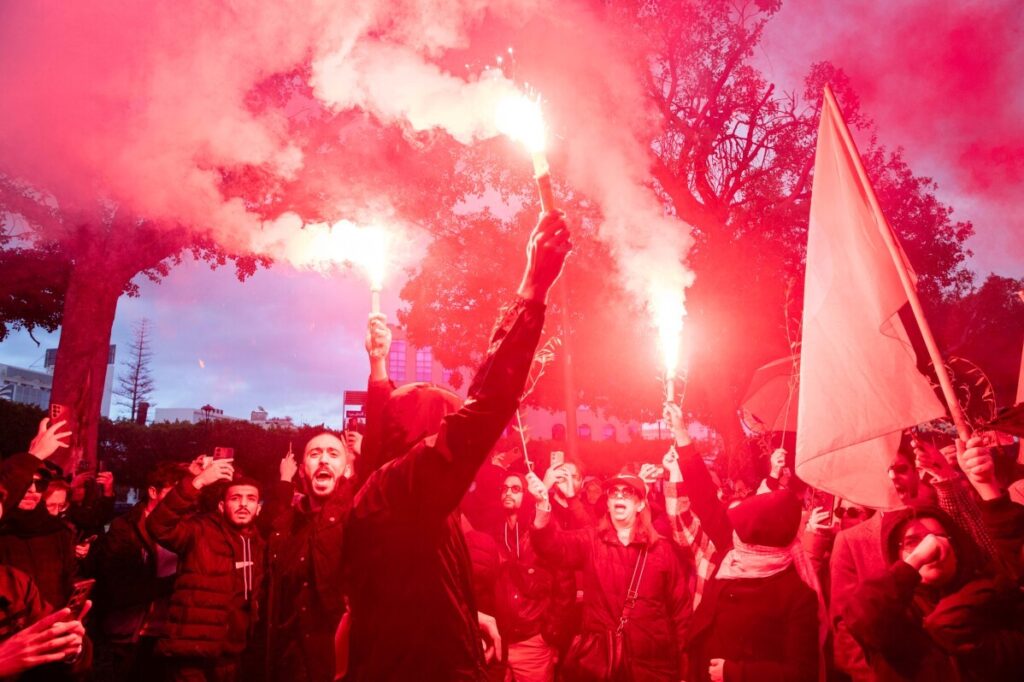
The recent protests by doctors, activists, and ordinary citizens demanding social justice signal mounting pressure on Saied’s administration — pressures compounded by perceived interference through foreign diplomatic channels contacting key societal actors independently.
How long should nations tolerate unofficial outreach that bypasses legitimate governmental authority? For Americans watching abroad and at home, this episode underscores why sovereign borders—physical or diplomatic—must be respected if stability and genuine cooperation are to thrive.
This incident serves as a cautionary tale about globalist assumptions embedded within traditional diplomacy. When supranational bodies like the EU act without heed to local authority, they risk fueling unrest rather than fostering partnership.
Ultimately, Tunisia’s stance demands respect: only through honoring national sovereignty can authentic progress emerge in troubled regions—and elsewhere.