
Trump’s Strategic Visit to Israel and Egypt: Unveiling the Real Stakes Behind the Hamas Agreement
President Trump’s upcoming trips to Israel and Egypt spotlight a fragile Hamas agreement that demands scrutiny—will it truly secure lasting peace, or mask deeper geopolitical risks threatening America’s strategic interests?
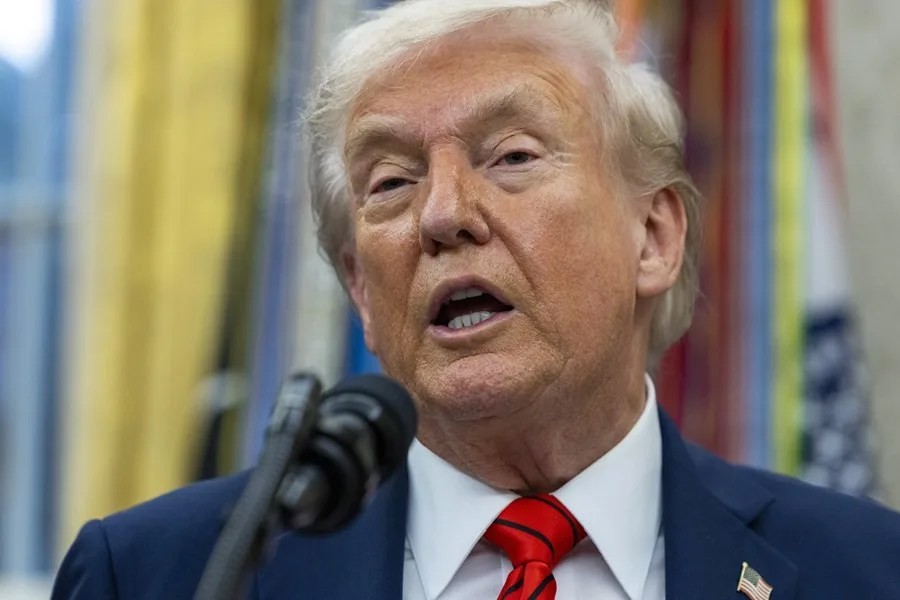
President Donald Trump’s announcement that he will visit Israel and Egypt as part of the recently brokered agreement with Hamas raises critical questions about the durability and transparency of this so-called peace deal. While Washington touts a breakthrough with hostage releases and troop withdrawals, the reality is fraught with risk for American national security and regional stability.
Is This Agreement a Genuine Win for American Sovereignty and Regional Peace?
The administration’s celebration of a Hamas deal that includes a partial Israeli troop pullback from Gaza, humanitarian corridors, and a prisoner exchange may seem like a diplomatic victory at face value. However, we must ask how such concessions serve America’s long-term interests. Hamas remains a designated terrorist group with a history of hostility toward Israel and American allies. Does easing military pressure without enforceable guarantees embolden this organization—and by extension, their sponsors in Iran and other malign actors?
This agreement also comes after two years of heightened conflict, raising concerns about whether a temporary ceasefire is merely a pause before more violence. The Biden administration’s predecessor, President Trump, understood that American strength and unwavering support for our allies underpin true peace. Diluting that stance risks inviting chaos that threatens the entire region—and by consequence, Americans at home.
How Will Washington Maintain Leverage Over This Fragile Truce?
Plans for a so-called Gaza reconstruction summit in Egypt, involving Arab and European powers, raise alarm bells. Who will hold these international players accountable if promises fall short? The United States must not abdicate its role as a power broker enforcing commitments on the ground. Transparency and clear benchmarks are essential to prevent foreign aid from propping up hostile regimes or fueling extremism under humanitarian cover.
The optics of President Trump’s planned meetings with the Israeli Knesset and Egyptian officials reflect an attempt to assert American leadership—but success depends on more than diplomacy. It demands a coherent strategy prioritizing national sovereignty, countering terrorist influence, and ensuring regional allies’ security.
As this story unfolds, American taxpayers deserve full disclosure about what this agreement entails and how it safeguards our freedoms and borders. How long will Washington accept half-measures while adversaries exploit every opening? It is time to demand accountability for any policy that compromises our hard-won security achievements.