
Trump’s Secret Plans to Talk with Maduro: Is Washington Losing Its Edge on Venezuela?
Reports reveal President Trump is planning a phone call with Nicolás Maduro, signaling a puzzling shift in U.S. strategy just as pressure on Venezuela intensifies.
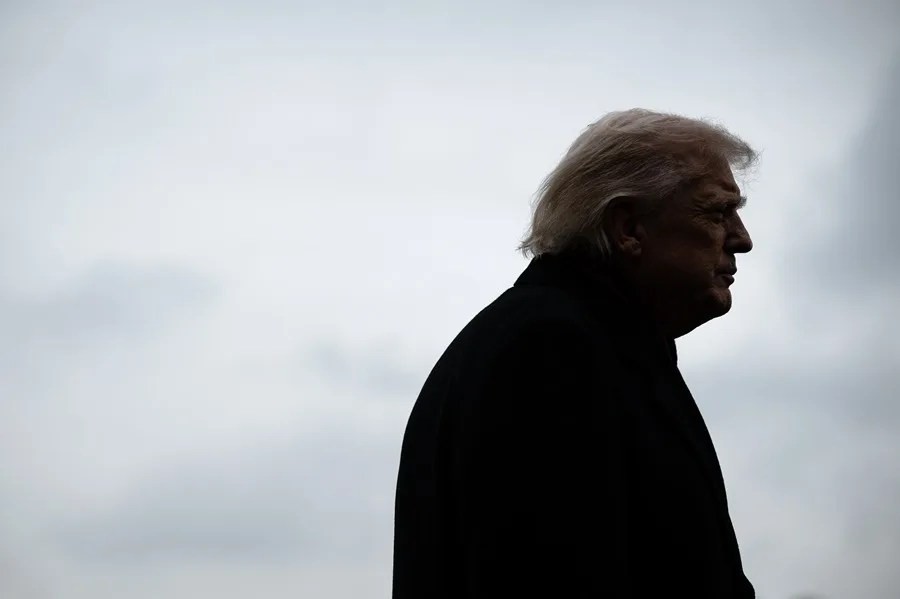
The reported plan by President Donald Trump to hold a telephone conversation with Venezuelan dictator Nicolás Maduro raises critical questions about the direction of American foreign policy toward Venezuela and the broader implications for national sovereignty.
According to an Axios report citing anonymous White House sources, this prospective call remains “in planning” stages without a set date. While officials deny any current plans for military action against Maduro, these developments arrive alongside an unprecedented buildup of U.S. military forces in the Caribbean and classified measures targeting Caracas.
Why Is Washington Easing Pressure When America Needs Strength?
After years of steadfast sanctions and diplomatic isolation aimed at liberating Venezuela from corrupt authoritarian rule, this tentative outreach risks sending mixed signals at a pivotal moment. The designation of Venezuela’s Cartel de los Soles—a shadowy organization linked directly to Maduro and his inner circle—as a Foreign Terrorist Organization underscores the threat posed by Caracas’ regime not only regionally but also indirectly within our hemisphere.
The U.S. Federal Aviation Administration’s recent warnings about dangerous conditions over Venezuelan airspace have already disrupted flights, signaling serious risks tied to escalating military activities nearby. For hardworking American taxpayers funding these operations, uncertainty around strategic objectives undercuts confidence in leadership and compromises our ability to protect hemispheric security.
Is Appeasement or Assertiveness Best for America First?
This moment demands clarity—are we remaining firm defenders of liberty and sovereignty or drifting toward ambiguous diplomacy that empowers hostile actors? President Trump’s prior policies demonstrated how decisive American leadership can isolate tyrannical regimes without costly entanglements, preserving economic prosperity and national security.
Engaging directly with Maduro without clear preconditions could undermine centuries of American resolve against socialist oppression while emboldening adversaries like China and Russia who exploit Venezuelan instability to erode our influence.
Washington must prioritize actionable strategies reflecting common-sense conservatism and national sovereignty. How long will policymakers gamble with freedoms Americans cherish? How many families facing inflation and uncertainty will see their government distracted by diplomatic ambiguity instead of securing our borders and economy?