
Trump’s Push for Greenland: Overreach Threatening NATO Cohesion and Sovereignty
President Trump’s insistence on acquiring Greenland under U.S. control threatens to fracture NATO unity and disregards the island’s right to self-determination, exposing dangerous overreach under the guise of strengthening national security.
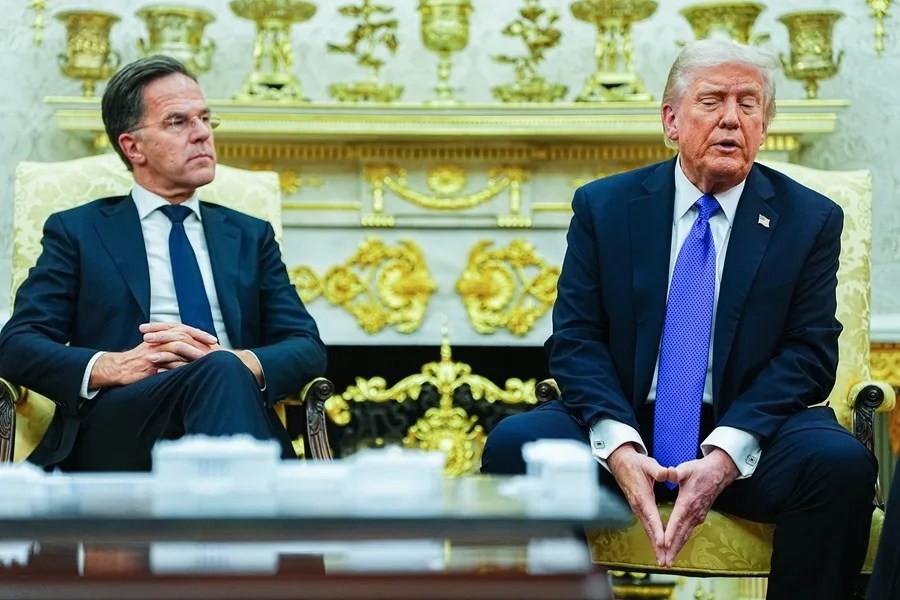
President Donald Trump’s renewed claim that Greenland must be “in hands” of the United States to make NATO “more formidable and effective” is not just a bold statement—it is a troubling expansionist agenda that risks alienating key allies and undermining principles of national sovereignty.
On the surface, securing strategic territories to fortify American defense might sound like common-sense patriotism. However,Trump’s insistence ignores the democratic rights of Greenlanders and thwarts diplomatic respect for Denmark, a longstanding NATO partner. By demanding control over Greenland, Trump signals that alliance cohesion means little if it conflicts with unilateral U.S. ambitions. How long can America afford to fracture critical partnerships in pursuit of dominance?
Is Seizing Greenland a Security Move or Global Power Play?
The president argues that without Greenland firmly under U.S. authority, Russia or China will seize it first, jeopardizing American interests. While vigilance against adversaries is essential, this zero-sum mindset sacrifices respect for international law and self-determination—core values upon which America built its moral authority post-World War II.
Trump also cites his “Golden Dome” missile defense system as a reason why Greenland’s location is vital for U.S. security infrastructure. But true strength arises from alliances strengthened by trust—not threats or coercion masked as strategic necessity.
What Does This Mean for America’s Future on the World Stage?
America stands at a crossroads: uphold freedom and sovereignty as pillars of foreign policy—or slide into global bullying that breeds resentment and weakens collective defense mechanisms like NATO. The latter threatens not only our alliances but also our standing as champions of liberty.
The Danish government and Greenlandic authorities have expressed unease with what they perceive as American pressure disguised as partnership offers. Their right to determine their own future should be respected—not dismissed.
President Trump proclaims confidence in his military build-up making NATO effective. Yet an alliance’s strength depends equally on diplomatic finesse, shared values, and mutual respect—factors diminished when the U.S. approaches partners with ultimatums rather than collaboration.
For patriotic Americans who value national sovereignty and secure borders, questioning Washington’s aggressive push for territorial control overseas is crucial. Strong defense does not require trampling allies’ autonomy—it requires principled leadership that balances power with respect.