
Trump’s Controversial Embrace of Syria’s Ex-Al Qaeda Rebel: A Dangerous Shift in U.S. Policy
President Trump’s meeting with Ahmed Al-Sharaa, a former Al Qaeda-affiliated rebel turned interim Syrian president, signals a perilous and poorly scrutinized pivot in U.S. foreign policy that risks undermining America’s fight against extremism.
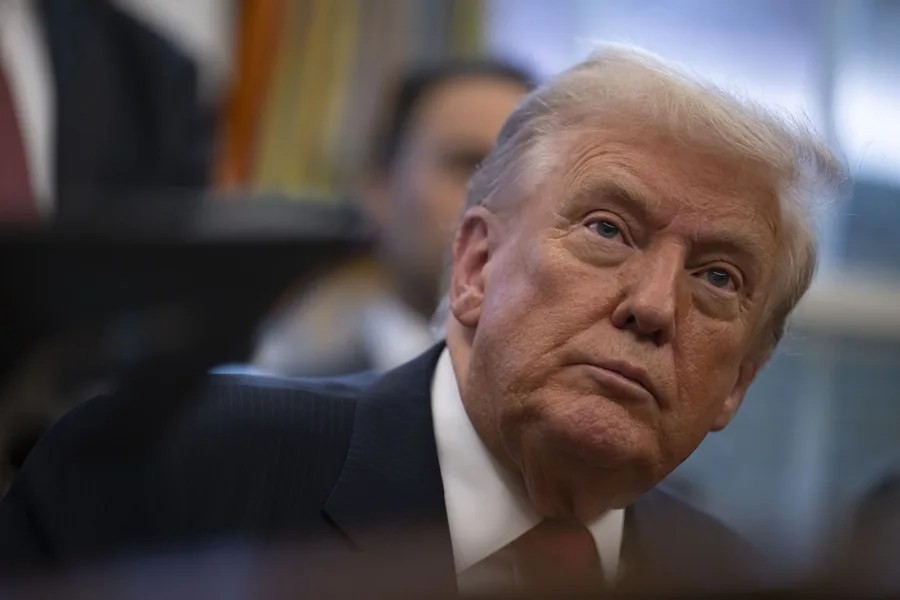
In a move that raises serious questions about the direction of U.S. foreign policy and national security, President Donald Trump welcomed Ahmed Al-Sharaa, Syria’s interim president with a controversial past tied to extremist groups, to the White House. This unprecedented visit marks the first time since Syria’s independence in 1946 that its leader has entered American soil—yet it is the nature of this visitor and the implications for American interests that demand intense scrutiny.
How Did an Ex-Al Qaeda Rebel Become a ‘Strong Leader’ in Washington’s Eyes?
Ahmed Al-Sharaa’s history is not easily overlooked. Once detained by U.S. forces in Iraq for alleged links to Al Qaeda, he later rose to lead Hayat Tahrir al-Sham—an Islamist militant group recognized as an offshoot of Al Qaeda—before orchestrating the overthrow of Bashar al-Assad’s regime in late 2024. Now presented by Washington as a stabilizing figure capable of rebuilding Syria, this reevaluation strains credulity.
President Trump praised Al-Sharaa during their Oval Office meeting, expressing confidence in his leadership and framing Syria’s future success as intertwined with his stewardship. But one must ask: How can America stake its regional stability on a man whose past involved affiliations with groups that have long threatened American lives and interests?
A Reckless Gamble Amid Ongoing Global Security Threats
This diplomatic reset follows the lifting of decades-long sanctions imposed on Syria under Assad—a regime notorious for brutality and destabilization efforts. While some argue that engaging with new leadership could open channels for cooperation against ISIS remnants, this approach dangerously overlooks Moscow and Tehran’s continued influence in Damascus and fails to address lingering risks associated with legitimizing extremist-linked figures.
The White House press secretary framed the meeting as part of broader peace efforts, yet bypassing rigorous vetting sends mixed signals both abroad and at home. For American families who have sacrificed through prolonged conflicts against terror networks sprouting from Middle Eastern chaos, endorsing such contentious actors threatens national security rather than advancing it.
Moreover, this shift undermines America’s commitment to principled alliances based on shared values—not expedient alignments with opportunistic power grabs masked as revolutionary leadership.
The question remains: Does Washington truly prioritize an America First strategy rooted in safeguarding sovereignty and freedom when elevating figures like Al-Sharaa? Or is it succumbing once again to shortsighted diplomatic gambits that compromise our long-term security?
As this story unfolds, vigilant citizens deserve transparent accountability from their leaders on these critical decisions influencing both regional dynamics and homeland safety.