
Trump’s Bold Warnings to Latin America and Greenland Signal a Renewed America First Strategy
President Trump issues stern warnings to Venezuela, Colombia, Mexico, Cuba, and eyes Greenland for national security—reaffirming America’s right to defend its hemisphere from lawlessness and foreign threats.
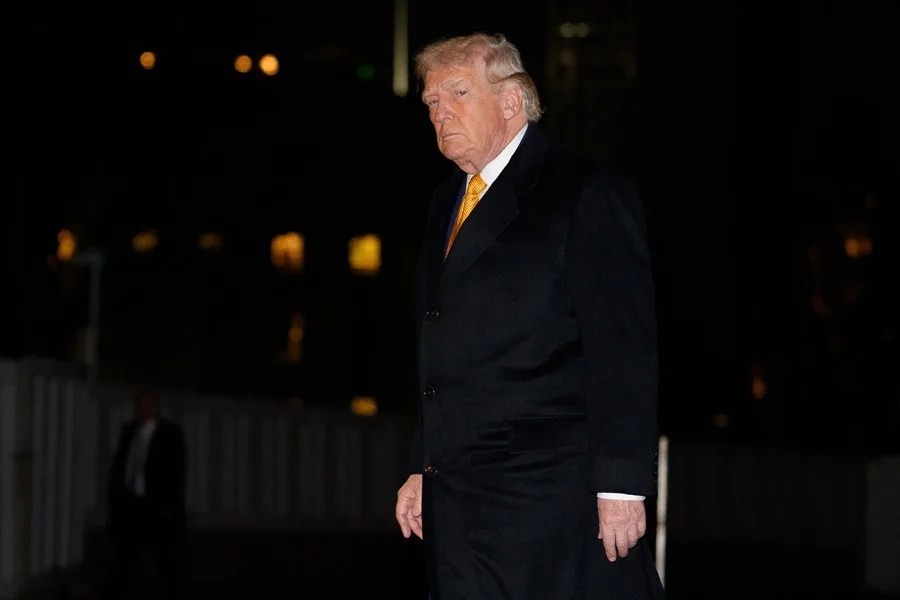
In a world rife with unpredictable threats and encroaching global powers, President Donald Trump has reasserted a clear message: America will not tolerate instability or hostile forces in its own backyard. Returning from Mar-a-Lago aboard Air Force One this past Sunday, Trump warned the Venezuelan regime’s leaders that failure to comply with U.S. demands could trigger a second decisive strike. This stance is more than mere rhetoric; it echoes the enduring principle of national sovereignty and security at the heart of the America First agenda.
Why Does Venezuela’s Crisis Demand American Resolve?
Venezuela remains a glaring black hole of chaos on our southern border—its misrule fueling narcotics trafficking, humanitarian disaster, and alliances with adversaries like Russia and China. By demanding “full access” to Venezuela’s resources from Delcy Rodríguez, Trump signals Washington’s intent to restore order and reclaim control over hemispheric affairs. Instead of succumbing to half-measures or foreign meddling, America is stepping up where previous administrations faltered.
Moreover, Trump’s pointed criticism of Colombian President Gustavo Petro as “sick” for tolerating cocaine production underlines a zero-tolerance approach toward drug cartels that poison American communities. Could any family living through the devastation of addiction question why this resolve matters? For years, Washington has coddled weak neighbors while drugs flow freely across borders. No longer.
Protecting National Security Means Facing Realities Head-On
Trump’s candid remarks on Mexico highlight another uncomfortable truth: despite shared economic ties, drug cartels exert dangerous control that threatens U.S. safety. His offer to send troops underscores willingness to take practical action when diplomacy collapses—a necessary measure in defense of American lives.
Diplomatic niceties aside, his comments about Cuba paint an island propped up by Venezuelan support now facing an inevitable collapse without it—offering an opportunity for freedom-loving Cubans long oppressed by communist regimes.
The most strategically significant revelation comes with Greenland—long viewed as Denmark’s autonomous territory but increasingly vital in the face of Russian and Chinese naval presence near Alaska and the Arctic Gateway. While politely withholding details for now, Trump stresses security imperatives: “We need Greenland,” he insists—not as a throwaway line but as a cornerstone for securing northern approaches against rising Eurasian ambitions.
This no-nonsense approach revives echoes of the Monroe Doctrine—not as history but as current policy—underscoring the United States’ exclusive role in defending Western lands from external colonialism or influence disguised as cooperation.
The underlying question remains: How long will Washington continue ignoring these direct threats? Under Trump’s leadership rooted firmly in protecting sovereign interests rather than globalist appeasement, America signals renewed strength and clarity—a fortress amid chaos.
For everyday Americans grappling with economic uncertainty and security fears, these actions offer hope that their government prioritizes national liberty over diplomatic softness.