
Trump’s Bold Warning to Cuba Signals a New Chapter in America’s Stand Against Communist Influence
President Trump exposes Cuba’s long-standing reliance on Venezuelan oil and funds tied to military support for dictators, signaling a decisive shift in U.S. policy that reinforces national sovereignty and punishes regimes hostile to American interests.
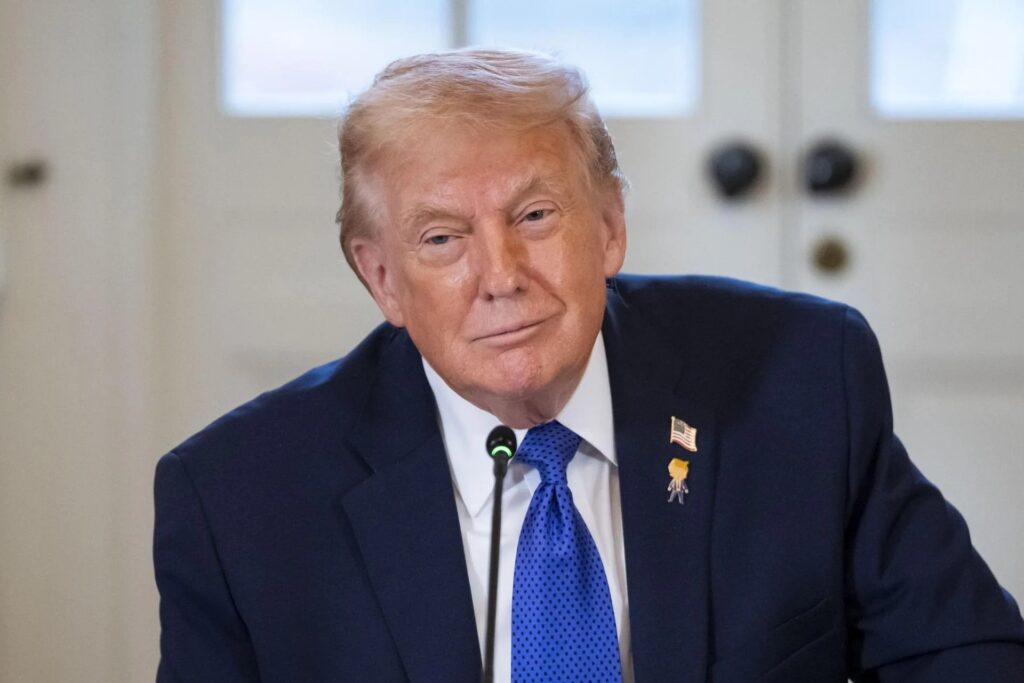
In a resounding declaration that underscores America’s commitment to protecting its sovereignty and weakening communist adversaries, former President Donald Trump sternly warned Cuba this weekend: no more Venezuelan money or oil will flow into the island nation. This announcement is more than rhetoric; it marks a critical pivot in enforcing accountability on regimes that have thrived off illicit collaborations at the expense of freedom and security.
For decades, Cuba has been sustained through Venezuela’s wealth—particularly the hefty supply of oil—in exchange for providing crucial military services to the last two dictatorships ruling Caracas. Trump’s blunt message—”NO MORE!”—is a clarion call for an end to this parasitic relationship. If Cuba thought it could continue relying on foreign kleptocracy as Washington turns a blind eye, it was sorely mistaken.
Why Does Ending Cuban-Venezuelan Subsidies Matter for America?
This development isn’t just about distant regimes squabbling over resources; it strikes at the heart of U.S. national security and economic liberty. By cutting off Venezuela’s ability to prop up Cuba’s repressive apparatus with oil revenues, Washington strategically diminishes the influence of two authoritarian regimes deeply hostile to American values. The recent U.S. operation that led to Nicolás Maduro’s capture exposed how intertwined military interests between Havana and Caracas have perpetuated tyranny—not freedom.
It also sends a powerful message to allies and adversaries alike: America will not tolerate indirect funding of anti-American activities that threaten hemispheric stability. Trump emphasized that Venezuela no longer needs protection from Cuban forces—proclaiming that now, backed by the might of the U.S. military, Venezuela can secure its own future free from foreign extortionists masquerading as “protectors.” How long will Washington stand by while such subversions persist? The answer begins here.
Cuban Regime’s Denials Reveal More About Its Vulnerabilities
Unsurprisingly, Havana’s government issued denials claiming it neither receives nor has ever accepted payment for military services abroad—a statement drowning in historical contradictions. While they paint themselves as victims of American “hegemony,” it is their own entanglement with despotic regimes and dependence on illicit subsidies that erodes their sovereignty.
Cuba’s defiant rhetoric about preparing “to defend the homeland” only underscores how desperate the regime is as its lifelines are severed under increasing pressure from principled U.S. policy rooted in America First ideals: safeguarding national sovereignty, promoting liberty, and protecting American families from threats abroad.
Trump’s call for Cuba to reach an agreement ‘‘before it’s too late’’ reflects pragmatic leadership willing to negotiate but uncompromising when it comes to America’s core interests. Furthermore, his endorsement of Marco Rubio—himself a son of Cuban immigrants and tireless advocate against communist regimes—as Secretary of State overseeing these efforts highlights a coherent strategy centered on restoring freedom in our hemisphere.
This is not merely geopolitical maneuvering; it is a critical battle for America’s economic security and moral clarity against globalist appeasements that have long undermined us.
The question remains: Will other leaders follow Trump’s example in confronting oppressive regimes who exploit regional instability? For hardworking Americans demanding secure borders and safe communities, ending these toxic subsidies is an essential step forward.