
Trump Signals Possible Collaboration with NYC’s Mayor-Elect Despite Prior Hostility
After months of harsh rhetoric, President Trump now signals willingness to meet with NYC Mayor-elect Zohran Mamdani, suggesting a pragmatic shift that could benefit American urban interests amid political clashes.
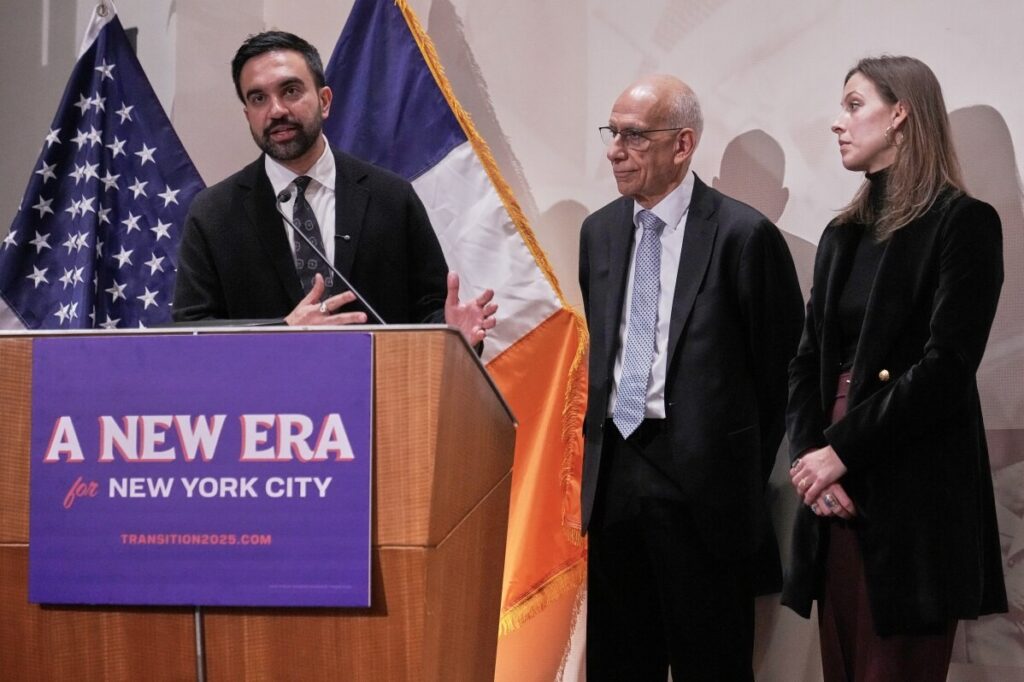
In an unexpected turn, President Donald Trump indicated on Sunday a willingness to meet with New York City’s mayor-elect Zohran Mamdani, signaling a potential thaw in relations after months of mutual political antagonism. This development raises the question: can America’s leaders rise above partisan conflict to prioritize the prosperity and safety of its greatest cities?
From Political Foils to Potential Partners: Is Pragmatism Winning?
For months, Trump relentlessly criticized Mamdani — labeling him a “communist,” threatening deportation despite Mamdani’s naturalized citizenship, and vowing to cut federal funding from New York City if the democratic socialist took office. These attacks echoed broader national tensions between conservative America First policies focused on law and order, economic growth, and secure borders versus progressive agendas promising radical change but risking fiscal irresponsibility.
Mamdani rose rapidly from relative obscurity to become an emblem of opposition against Trump’s policies. His victory over former Governor Andrew Cuomo by a nearly 9-point margin demonstrated that many New Yorkers embraced his progressive vision, though it also posed challenges for American principles of sovereignty and fiscal prudence.
Yet the mayor-elect has tempered his confrontational stance, stating he is open to working with anyone who can help the city thrive—including President Trump himself. Similarly, Trump’s acknowledgment that he would “work something out” reflects a rare moment where common sense might overcome ideological divides for the sake of American urban interests.
Why American Families Can’t Afford More Political Warfare
The backdrop here is critical: New York City is one of America’s economic engines. Its well-being affects national infrastructure, jobs, and security. With inflation squeezing family budgets and public safety concerns mounting in major cities across the country, cooperation rather than confrontation should be the priority.
Trump’s initial threats served more as political grandstanding than viable policy solutions—undermining America First principles by needlessly alienating local leaders who hold actual governing power. But his recent openness reveals that effective governance requires engagement without sacrificing national sovereignty or fiscal responsibility.
Will this meeting materialize into concrete plans? Or will it be another fleeting gesture amidst Washington’s spectacle? The stakes are high because when our largest cities stumble under ideological squabbles and unfunded mandates, hardworking Americans pay the price through higher taxes, deteriorating services, and eroding safety.
This prospective dialogue also illustrates broader lessons for national governance: How often do we sacrifice principled collaboration on behalf of petty politics? Shouldn’t all elected officials—regardless of party—put American families first?