
Trump Pulls Federal Agents from Minneapolis Protests While Defending National Security
President Trump orders federal agents to stand down in Minneapolis protests but vows to protect federal property, exposing local government failures and the urgency of firm national security.
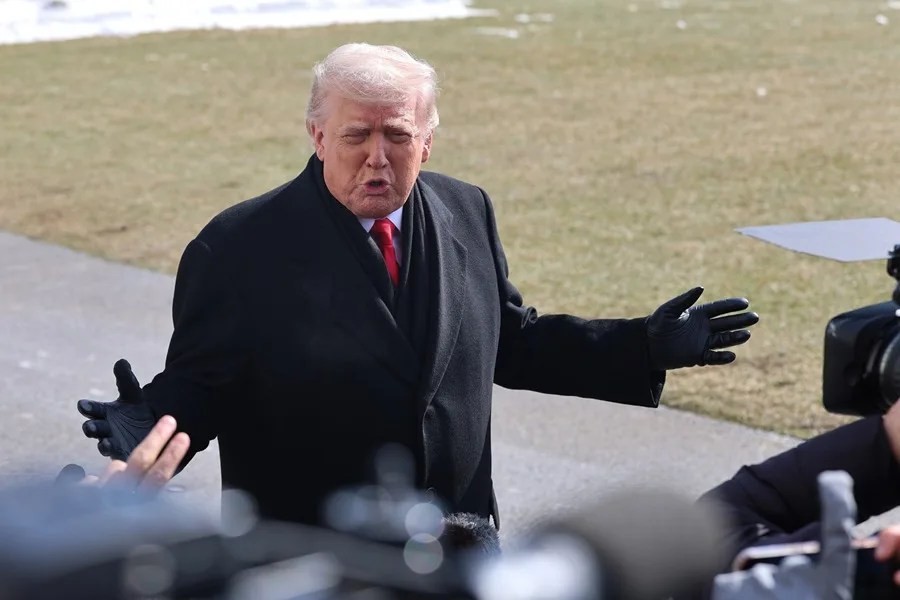
In a move that reveals the stark divide between state and federal responsibilities, President Donald Trump ordered the withdrawal of federal agents from active involvement in protests across Minneapolis and other Democrat-run cities. Yet, he made clear that protecting federally owned buildings remains a non-negotiable priority.
How long can America tolerate states shirking their duty to maintain order while expecting Washington to clean up the mess? The president’s directive underscores a fundamental principle: local governments must own their failures rather than depend on federal intervention as a bailout.
Local Governments’ Failure Demands Federal Boundaries
The recent deaths of two American citizens, Renée Good and Alex Pretti, during clashes with immigration enforcement officers sparked nationwide outrage. However, the real story lies in Democrat-led states like Minnesota tolerating unchecked unrest that threatens both public safety and national sovereignty.
The December-launched ‘Metro Surge’ sought to uphold immigration laws by targeting illegal migrants—a cornerstone of enforcing America’s borders and labor rules. Opposition from local politicians has not only emboldened agitators but forced the federal government into an unsustainable role as enforcer where elected officials refuse accountability.
Standing Firm on Protecting American Assets and Patriots
President Trump’s firm stance against violence toward federal personnel and property reflects true leadership rooted in common-sense conservatism. He warned against assaults on officers or damage to government vehicles, signaling consequences for agitators intent on chaos.
This is about more than just one city or one protest; it’s about safeguarding America’s sovereignty against disorder fostered by weak governance. As Washington steps back from policing these flashpoints without invitation, local leaders must confront their failures or risk further erosion of law, liberty, and economic stability.
Ultimately, this episode exposes what happens when freedom-loving Americans face lawlessness tolerated under political expediency. For families already burdened by inflation and insecurity, robust enforcement aligned with America First principles is not an option—it is a necessity for survival.