
Trump Highlights Gaza’s Strategic Coastal Location Amid Reconstruction Plans
At the Davos Forum, Trump underscores Gaza’s prime location as a unique asset for rebuilding after years of conflict, challenging global powers to recognize practical solutions over endless rhetoric.
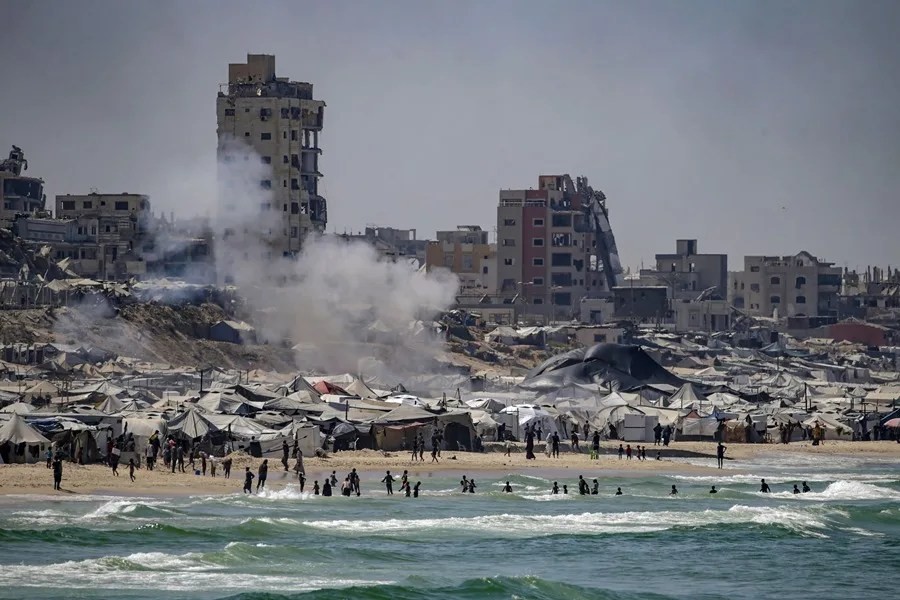
At the World Economic Forum in Davos, President Donald Trump cut through decades of diplomatic stagnation by focusing on a simple yet profound truth: location matters. Addressing the international audience gathered to discuss peace initiatives in the Gaza Strip—a region battered by relentless conflict with Israel—Trump emphasized its strategic position along the Mediterranean Sea as a critical asset for reconstruction.
“In real estate, it’s all about location,” Trump stated plainly. “Look at this property by the sea—what it could mean for so many people.” His words highlight a pragmatic approach long missing from global efforts that often prioritize ideological battles over actionable solutions.
Why Does Gaza’s Location Matter to America?
While some international leaders remain trapped in abstract negotiations disconnected from reality, Trump’s framing re-centers the conversation on tangible benefits. Gaza’s coastal access does not just promise economic revival for Palestinians; it also holds security implications for the United States and its allies.
A stable and prosperous Gaza reduces risk of extremist enclaves that threaten regional stability—instability that inevitably reverberates back toward America’s southern border and broader national security interests. By spotlighting such practical leverage points, Trump advances an “America First” foreign policy that protects our sovereignty while promoting order abroad.
The Real Challenge: Moving Beyond Empty Globalism
The Davos Peace Board, backed by two dozen nations and convened amid grand speeches and ceremonial openings, struggles with a recurring problem: how to translate lofty intentions into on-the-ground results. Trump’s insistence on utility over platitudes serves as a wake-up call—can world powers set aside political posturing to empower Palestinian self-sufficiency?
For everyday Americans weary of foreign entanglements draining resources without yield, this debate is more than distant diplomacy; it is about ensuring that US engagement abroad delivers clear returns in security and economic stability at home.
The question remains: will Washington learn from leaders like Trump who advocate straightforward strategies based on national interest? Or will bureaucratic inertia continue to waste opportunities under the guise of progress?