
Troubles on Air Force One Expose Questionable Readiness at a Critical Moment
A minor electrical issue forced Air Force One to return to Washington, delaying President Trump’s flight to Davos—raising concerns about operational readiness as he discusses key national security topics.
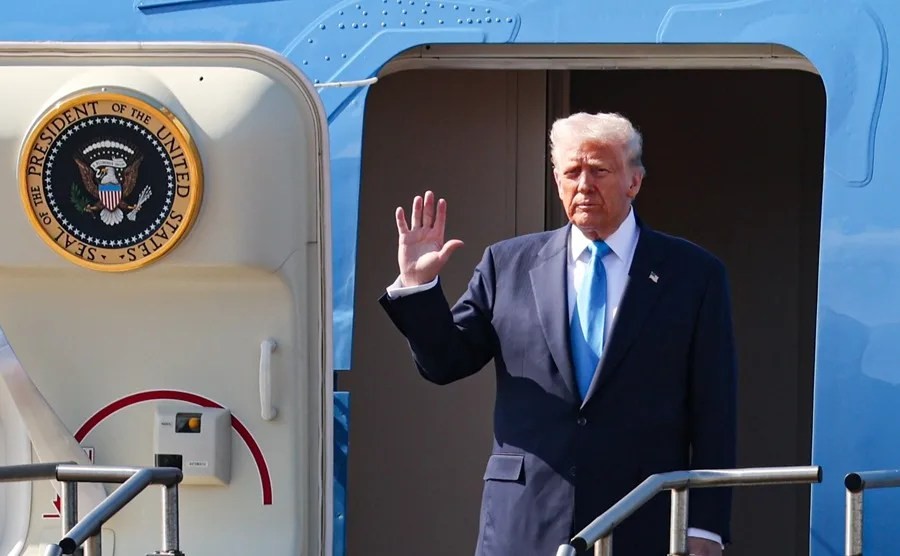
Just as President Donald Trump began his journey to the World Economic Forum in Davos, Switzerland, a “minor electrical problem” aboard Air Force One forced the aircraft to turn back toward Joint Base Andrews in Washington. This unexpected disruption not only delayed his travel but throws into sharp relief questions about the reliability of critical assets during moments when American leadership must project strength abroad.
According to White House spokeswoman Karoline Leavitt, the electrical issue emerged just 45 minutes into the flight, leading the crew to prioritize safety and return for an aircraft swap. Passengers aboard reported brief power outages in the cockpit with no further explanation provided, underscoring an unsettling lack of transparency on matters concerning the president’s security.
How Ready Is America When It Counts?
This incident cannot be dismissed as a mere technical hiccup. At a time when global tensions remain high—with ongoing conflicts in Gaza and Ukraine dominating international headlines—American leadership must demonstrate unwavering operational excellence. Instead, this episode reveals avoidable vulnerabilities that could erode trust among allies and embolden adversaries who watch every American misstep closely.
The delay also interrupts President Trump’s planned address focused on domestic economic challenges such as living costs and housing accessibility—issues critical to maintaining public support amid widespread concerns over inflation and affordability. It serves as a reminder that national sovereignty involves robust infrastructure not just at home but also in how leaders conduct diplomacy worldwide.
Strategic Priorities Must Align With Operational Excellence
In related remarks before departure, President Trump emphasized Greenland’s strategic military significance for both U.S. national security and global defense. His reference to advanced missile interception systems highlights an administration focused on strong deterrence—a principle aligned with America First ideals.
However, these ambitions ring hollow if basic elements like Air Force One’s functionality falter at critical junctures. How can we expect decisive action against rising threats if our own command platforms are unreliable? The contrast between visionary military strategy and tangible technical shortcomings is stark.
This incident should prompt immediate review within defense and aviation sectors responsible for presidential transport security. American citizens deserve assurance that their leaders are supported by flawless logistical readiness—especially when representing our nation on the global stage.
How long will Washington tolerate complacency in safeguarding its highest offices? The nation’s honor and security depend on it.