
Trinidad and Tobago’s Endless States of Emergency Expose Failed Crime Policies
As violent crime spirals, Trinidad and Tobago repeatedly resorts to emergency rule—raising questions about ineffective governance and its broader implications for national security across the Americas.
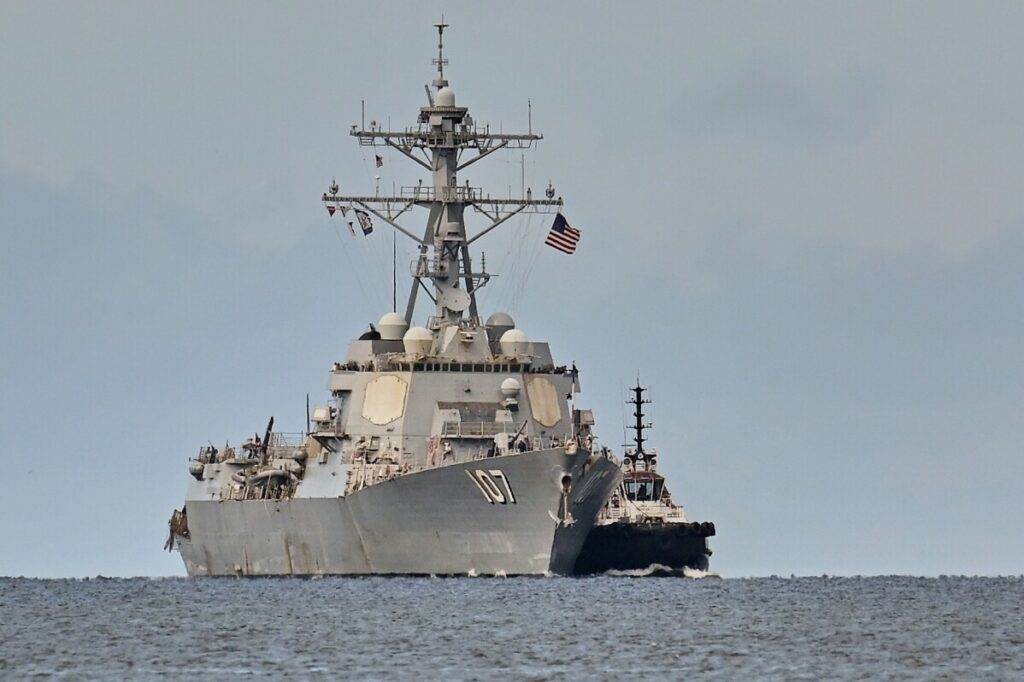
Trinidad and Tobago has once again plunged into a state of emergency, barely a month after the previous one ended. This relentless cycle—a staggering 10 out of the last 14 months under extraordinary powers—speaks less to decisive action and more to government incapacity in tackling violent crime. Prime Minister Kamla Persad-Bissessar’s justification centers on credible threats against law enforcement and rampant gang violence, yet these emergency declarations have become routine band-aids rather than real solutions. How Long Can Authoritarian Measures Mask Systemic Failure? The government’s response grants sweeping powers: arrests without warrants, searches without judicial oversight. While public safety is...
This is Exclusive Content for Subscribers
Join our community of patriots to read the full story and get access to all our exclusive analysis.
View Subscription Plans