
Treasury Talks in Spain Reveal America’s Strategic Vulnerabilities with China
As Treasury Secretary Bessent meets Chinese officials in Madrid, critical questions arise about America’s reliance on China for key industries and national security risks tied to TikTok ownership.
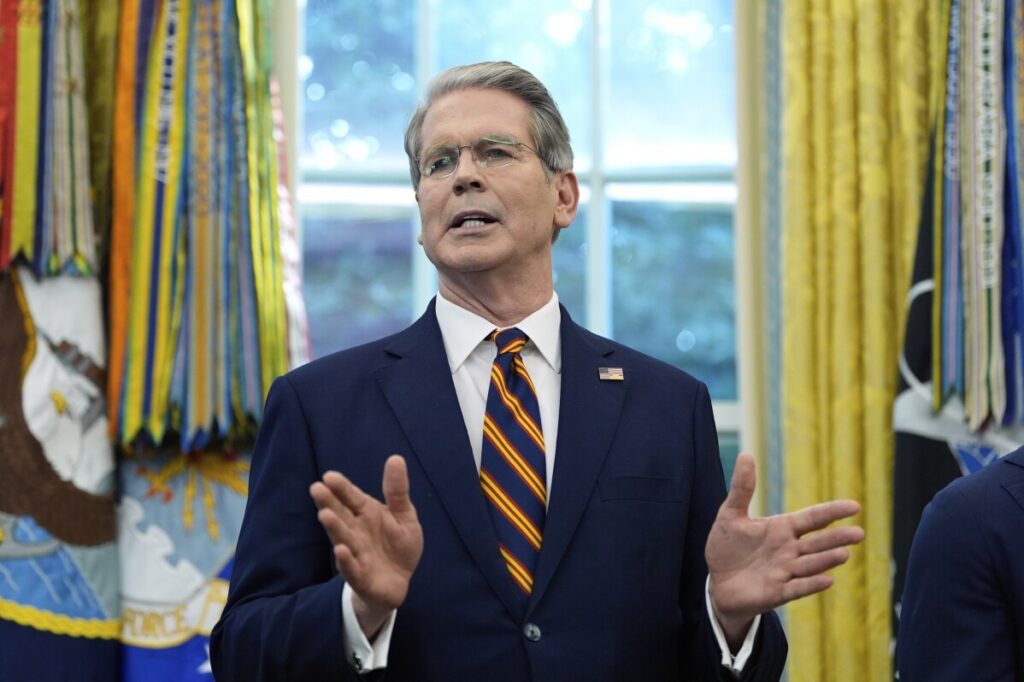
As Treasury Secretary Scott Bessent prepares to meet Chinese Vice Premier He Lifeng in Madrid, the stakes could not be higher for America’s economic security and national sovereignty. This latest round of negotiations highlights the ongoing struggle to defend U.S. interests against Beijing’s expanding influence – a challenge that demands unwavering vigilance.
Why Are We Still Entangled With China on Critical Issues?
The talks come after three previous rounds in major European hubs, yet little has changed: the U.S. remains dangerously dependent on China for rare earth minerals, semiconductors, and pharmaceuticals—industries deemed strategic by any sober America First analysis. While these discussions seek to “de-risk” our supply chains, the very need for negotiations underscores a disturbing reality: Washington has allowed critical sectors to stay vulnerable under decades of misguided globalist policies.
Meanwhile, tariffs have been paused repeatedly rather than decisively resolved. Has Washington prioritized quick fixes over long-term American prosperity and industrial independence? The Trump administration rightly recognizes that true economic freedom starts with regaining control over our own resources—not appeasing adversaries with empty promises.
TikTok Remains a National Security Threat Under Globalist Cover
The conversations also circle around TikTok’s ownership by China’s ByteDance—a clear national security red flag given Beijing’s known censorship and surveillance tactics. Congress has acted by mandating a ban unless the controlling stake is sold to an American entity. Yet President Trump has extended sale deadlines multiple times without finality.
Why delay securing our digital borders when TikTok represents a Trojan horse channeling sensitive data directly back to China? For families concerned about privacy and influence over their children, this is no trivial matter; it strikes at the heart of individual liberty and safe communities.
This diplomatic limbo betrays either bureaucratic inertia or misplaced priorities—both dangerous when confronting an authoritarian regime intent on undermining American values from within.
Secretary Bessent’s meetings with Spanish officials further illustrate how intertwined global relationships must be balanced carefully alongside preserving freedom and sovereignty at home.
As Secretary Bessent continues his Europe trip accompanying President Trump during his state visit to Britain, one must ask: How long will Washington tolerate half-measures that leave America exposed to economic coercion and security breaches? The time for decisive action prioritizing American interests is now.
For Americans committed to protecting our nation’s future, engaging in these discussions is not merely important—it is essential. How do you think our leaders should respond to China’s growing leverage?