
Trans-Atlantic Trust on the Brink: What Munich’s Security Conference Reveals About US-Europe Relations
As the Munich Security Conference convenes, longstanding trans-Atlantic tensions come into sharp focus, exposing fractures that threaten America’s strategic partnerships in Europe amid current global security challenges.
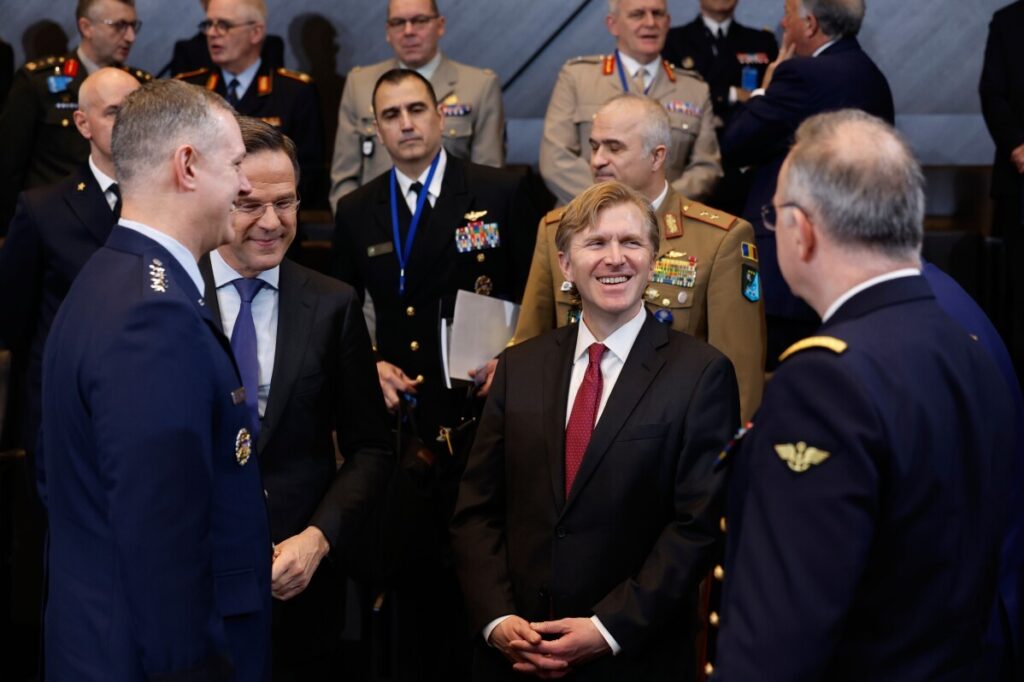
Every year, the Munich Security Conference serves as a crucial platform where global security priorities are debated and alliances tested. This year, the gathering’s significance extends beyond diplomacy; it starkly illuminates the growing cracks in the trans-Atlantic relationship that underpins American national security.
Can Trust Be Restored Between Allies?
The conference opens with German Chancellor Friedrich Merz addressing a tense audience amid participation from 15 European Union heads of state alongside figures like Ukrainian President Volodymyr Zelenskyy and China’s Foreign Minister Wang Yi. Yet despite this display of international presence, the elephant in the room remains the volatile state of trust between Washington and its European allies.
Last year’s event set a confrontational tone when then-Vice President JD Vance publicly challenged Europe’s commitment to democracy. The subsequent months saw further strains, including former President Trump’s aggressive tariff threats targeting longtime NATO partners and his audacious attempt to claim Greenland—territory belonging to an allied nation—for U.S. control. Such actions have rightfully shaken Europe’s confidence in America as a reliable partner.
Is Washington Willing to Rebuild or Repeat Past Mistakes?
This year’s delegation led by Secretary of State Marco Rubio suggests an intention toward a more traditional diplomatic approach—yet philosophical similarities to prior administrations risk perpetuating skepticism. As Wolfgang Ischinger, chairman of the conference, noted, “Trans-Atlantic relations are currently in a significant crisis of confidence and credibility.” The question remains: can this breach be healed before it undermines collective Western security?
For American families and servicemembers alike, these fractures have real consequences. A divided alliance weakens our ability to counter adversaries on multiple fronts—from Russian aggression in Ukraine to China’s expanding global influence. It also endangers economic prosperity tied closely to stable trans-Atlantic trade.
Europeans feel betrayed when fellow NATO members threaten each other instead of presenting a united front against common enemies. This is not just about diplomatic decorum; it is about preserving national sovereignty through strong, dependable alliances rooted in mutual respect and shared values.
Washington must ask itself: will it prioritize pragmatic partnerships grounded in trust over short-term posturing? For too long, erratic policies have sown discord at critical moments. Reclaiming American leadership means recommitting to alliances that enhance—not undermine—our security interests.
The Munich Security Conference is more than an annual meet-and-greet; it is a mirror reflecting how well America champions freedom and stability abroad while safeguarding its own soil. How long will Washington ignore these lessons before its wavering allies turn elsewhere?