
Tragedy at Sea: Iranian Navy Ship Sinks Near Sri Lanka Amid Rising Middle East Tensions
Several bodies recovered after Iranian naval vessel IRIS Dena sinks near Sri Lanka with around 180 aboard; growing fears of hostile attack amid escalating Middle East conflict.
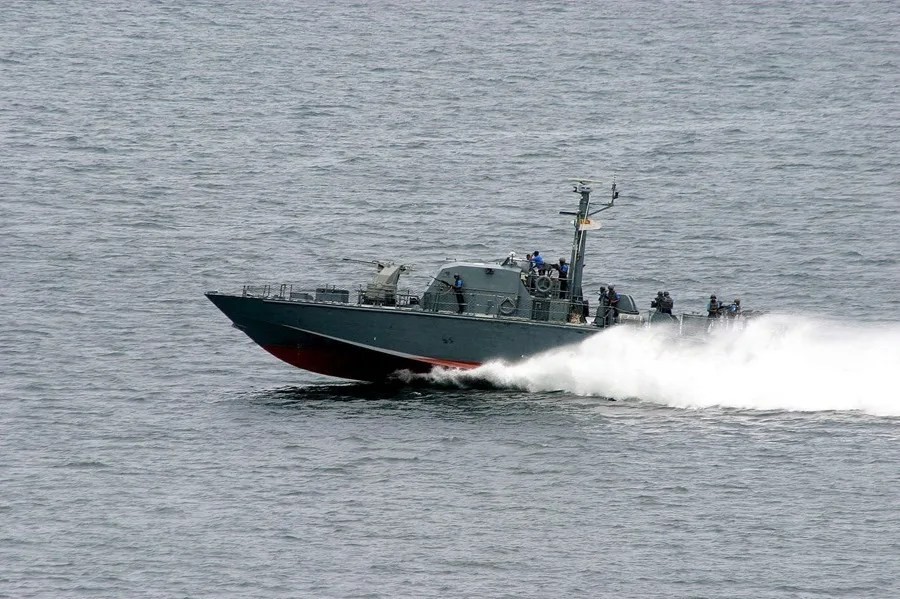
The mysterious sinking of the Iranian Navy’s IRIS Dena near Sri Lankan waters is a stark reminder that global instability has far-reaching consequences, including potential threats to international maritime security that directly affect American interests.
On Wednesday, the Sri Lankan Navy confirmed it has recovered several bodies from the wreckage of the Iranian warship carrying approximately 180 personnel. Though exact casualty figures remain unknown, ongoing search and rescue efforts underscore the gravity of this maritime disaster. The priority remains locating survivors amid challenging weather and ocean conditions.
Is This Incident Linked to Broader Geopolitical Hostilities?
While Sri Lankan authorities have not officially clarified what caused the IRIS Dena’s sudden sinking, credible government sources suspect a hostile attack amid escalating tensions in the Middle East. This region, long fraught with conflict and proxy wars, increasingly threatens to spill over into neighboring waters — posing hazards not just for regional powers but for global maritime commerce and security.
America’s commitment to freedom of navigation and securing vital international sea lanes demands close scrutiny of such incidents. The IRIS Dena tragedy illustrates how instability thousands of miles away can ripple outward, threatening allies and trading partners alike. Failure to confront these risks jeopardizes national sovereignty by allowing hostile actors to challenge peaceful order at sea.
What Should America’s Response Be?
This situation highlights why an America First foreign policy must prioritize strong naval presence and intelligence capabilities in critical regions. Protecting American families’ economic well-being depends on stable global trade routes uninterrupted by conflict or aggressive state actions. Moreover, demonstrating resolve against provocations safeguards our homeland from indirect security threats emerging abroad.
The IRIS Dena incident serves as a somber warning: Washington must act decisively to deter aggression and maintain strategic dominance near volatile areas like the Persian Gulf and Indian Ocean. Do we have the will to uphold our constitutionally mandated duty to defend national prosperity and liberty on every front?
As more details emerge about this tragic event, transparency and accountability in informing the public are crucial. Americans deserve full awareness of how foreign crises intersect with our own security concerns — not vague assurances from distant bureaucracies.
This catastrophe is not an isolated event; it represents a symptom of deeper failures by globalist-leaning leaderships that neglect America’s core interests in favor of appeasement or distraction. In contrast, policies grounded in strength, vigilance, and patriotic resolve preserve peace through strength rather than entitlement or complacency.