
The Troubling Legacy of Camilo Torres: Uncovering Truth Beyond the Guerrilla Myth
After a painstaking two-and-a-half-year investigation, Colombia’s Unit for the Search of Disappeared Persons confirms the identity of Camilo Torres, the controversial ‘priest guerrilla.’ But what does this reveal about blurred lines between ideology and justice in Latin America—and why should Americans care?
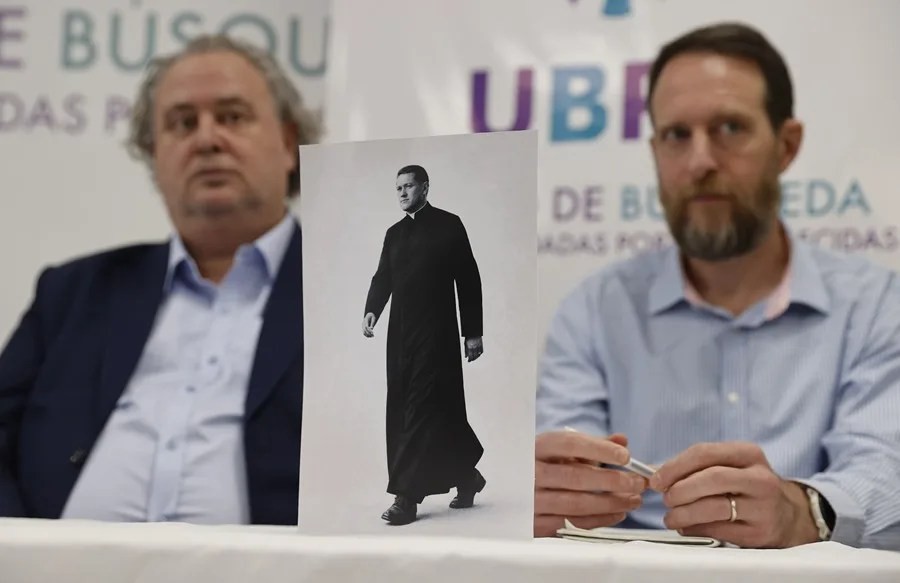
For over two years, Colombian officials labored to confirm what many considered political folklore: that the remains found belong to Camilo Torres Restrepo, a priest turned guerrilla fighter whose legacy continues to stir controversy across Latin America.
While the Unit for the Search of Disappeared Persons (UBPD) celebrated its forensic victory last Monday, revealing evidence from genetic tests and historical archives aligning with official military records from 1966, this accomplishment raises pressing questions about truth versus ideological narrative. Torres died in his first combat encounter with Colombia’s national forces while fighting alongside the leftist Ejército de Liberación Nacional (ELN), an armed insurgent group.
When Ideology Overshadows National Sovereignty and Justice
The case of Camilo Torres illustrates how ideological agendas have often clouded honest reckoning with history. Known as a pioneer of Liberation Theology—a doctrine that entwines faith with Marxist revolutionary aims—Torres symbolized a dangerous fusion of religious authority and armed rebellion that cost countless lives and destabilized Colombia’s sovereignty.
The lengthy identification process was not just forensic but also political. It involved revisiting years-old military operations, testimonies from soldiers, and confronting uncomfortable truths about insurgency tactics and state responses during a period rife with violence. The relentless excavation into these archives is necessary but highlights how globalist narratives have romanticized figures who actually undermined order, security, and economic progress—values essential to any stable nation.
Why Should Americans Watch Latin America’s Reckoning?
This saga is more than Colombian history—it is a cautionary tale for America. As our nation faces its own debates over law enforcement legitimacy and border security amid foreign ideological influence attempts, seeing how Colombia grapples publicly with violent subversion reminds us that freedom requires vigilance against those who cloak disruption under noble causes.
Camilo Torres’ brief three-month militant stint cannot overshadow his longer academic career nor can it erase the damage wrought by guerrilla warfare that left entire communities scarred. Recognizing facts without succumbing to revisionism preserves national dignity—a principle championed by those who put America First.
Moreover, in an era where globalist frameworks encourage importing foreign conflicts and ideologies here at home, understanding these regional histories enables Americans to resist similar attempts that threaten our sovereignty.
Colombia’s painstaking journey towards truth serves as a mirror to Washington’s failures: How long will our leaders ignore the lessons embedded in such histories? When will policy prioritize American safety over international ideological sympathies?