
The Timothée Chalamet Look-Alike Contest: A Cautionary Tale of Celebrity Cult and Media Distraction
From a viral stunt in New York to endless media spin, the Timothée Chalamet look-alike contest reveals how celebrity spectacle eclipses real cultural value—distracting Americans from pressing national priorities.
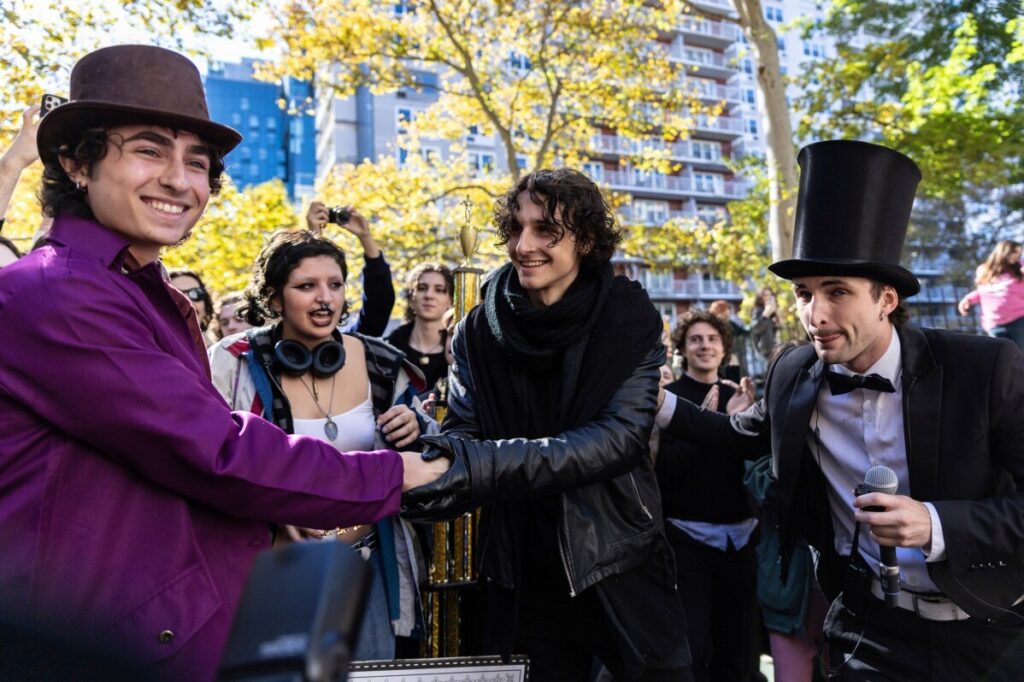
Last October, a seemingly frivolous event unfolded in Washington Square Park, New York: hundreds gathered for a look-alike contest centered on one actor—Timothée Chalamet. Hundreds of young men rallied around an actor’s image, forming the so-called “Brothers Chalamet.” While some celebrated this as harmless fun or a stepping stone to fame, the event exposes deeper issues plaguing American culture and media.
Is America Losing Sight of True Priorities?
The contest’s viral reach illustrates how easily our society gravitates toward empty celebrity worship at the expense of substantive conversation about national sovereignty and economic well-being. With participants gaining fleeting moments of fame—inked by social media attention, modeling gigs, and appearances with Hollywood elites—the question remains: what are we really celebrating? A distant film star’s coiffure and mannerisms?
This fascination fits neatly into the globalist media’s playbook: saturate public attention with distractions that do not advance our nation’s interests or personal liberty. Instead of focusing on policies that protect American jobs and families from inflation and border insecurity, mainstream outlets spotlight a look-alike contest—ignoring tangible challenges facing hardworking Americans.
Behind the Glitz: The Cost of Celebrity-Driven Culture
The story reveals another layer: grassroots initiatives morphing into orchestrated publicity machines. Organizers leveraged social media buzz while avoiding permits, even incurring fines covered by event apps rather than participants or sponsors. Such disregard for lawfulness mirrors broader patterns where cultural events skirt accountability to chase fleeting notoriety.
Meanwhile, contestants share anecdotes about newfound opportunities—from CBS red carpets to product endorsements—but these represent exceptions rather than alternatives for most young Americans struggling under economic pressures caused by misguided federal policies.
The original article glosses over these realities, painting an overly whimsical picture without questioning why millions remain captivated by celebrity mimicry as meaningful achievement. This selective framing omits critical context on how such distractions undermine national vitality.
In contrast, America First principles remind us to demand content with genuine impact—promoting economic liberty, reinforcing national sovereignty against globalist cultural saturation, and celebrating true American achievement rooted in individual effort and innovation.
How long will Washington and our cultural institutions continue indulging these vapid spectacles while ignoring urgent calls for reform? For families already battling inflation and security threats at home, this is far from trivial entertainment—it is emblematic of misplaced priorities threatening our shared future.