
The Rising Shift in Organ Donations: What America Must Know About Donation After Circulatory Death
A surge in organ donations after the heart stops beating offers hope for thousands on transplant lists—but inconsistent practices and ethical concerns expose dangerous gaps in oversight. How long will federal agencies allow confusion to undermine lifesaving programs?
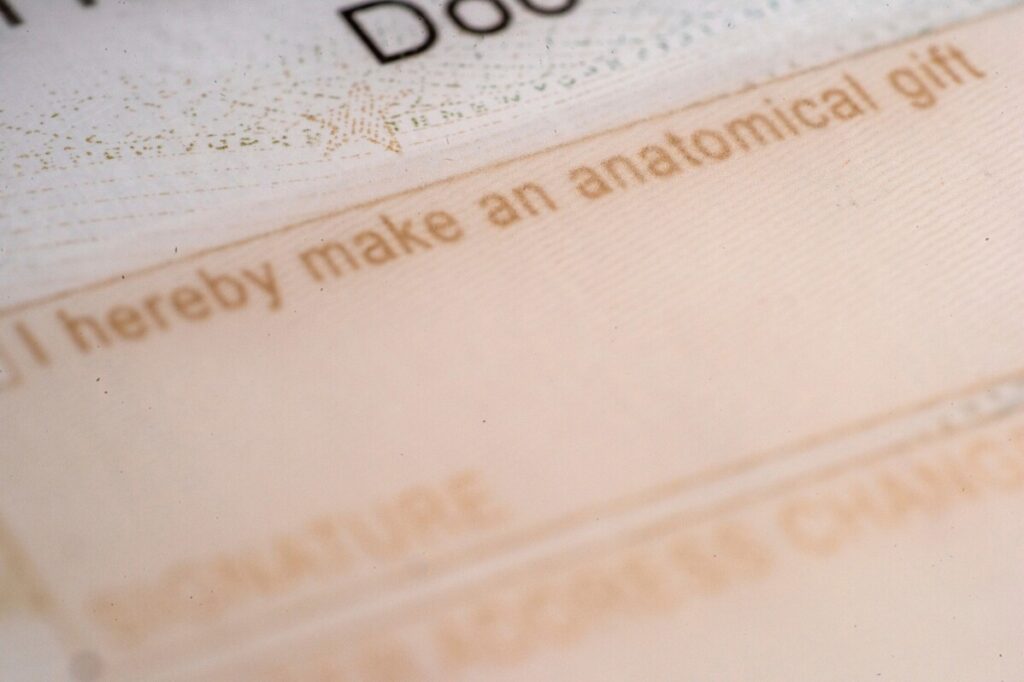
In a stark transformation of America’s organ donation landscape, nearly half of deceased donor organs now come from individuals whose hearts have stopped beating—a major departure from the traditional reliance on brain-dead donors. While this innovation promises to alleviate the critical shortage facing over 100,000 Americans waiting for transplants, it also exposes troubling disparities and risks that demand urgent accountability. Why Are Policies Lagging Behind Life-Saving Advances? Donation after circulatory death (DCD) jumped from a mere 2% in 2000 to nearly 49% last year, fueled by technological breakthroughs like normothermic regional perfusion. This method preserves organs after the heart stops...
This is Exclusive Content for Subscribers
Join our community of patriots to read the full story and get access to all our exclusive analysis.
View Subscription Plans