
The Questionable U.S. Capture of Nicolás Maduro: Sovereignty, Security, and Global Precedents at Stake
Iran condemns the U.S. capture of Venezuela’s President Maduro as illegal, highlighting threats to national sovereignty and international order — raising urgent questions about America’s respect for global norms.
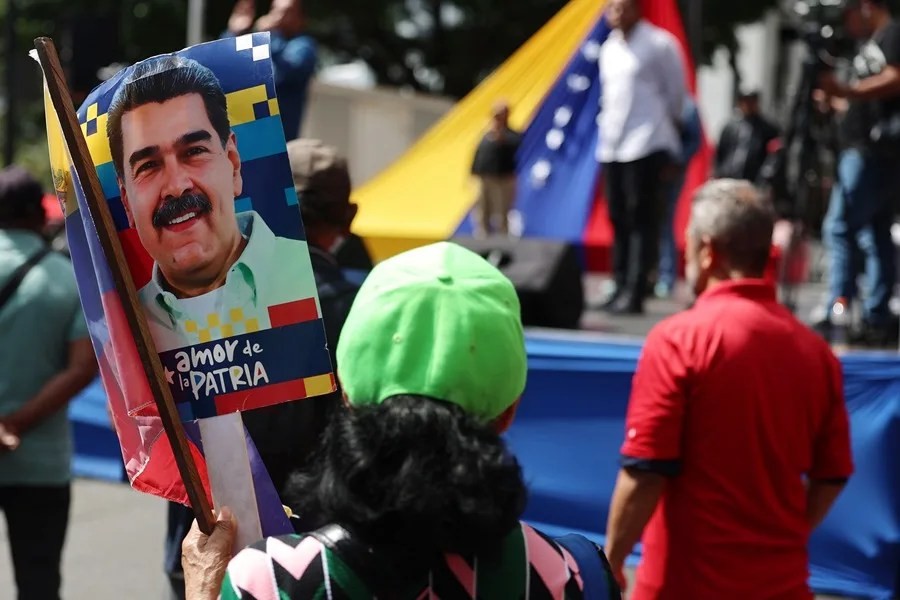
In a development that exposes the fragile balance between national sovereignty and American interventionism, Iran has condemned the recent U.S. military operation that resulted in the capture of Venezuelan President Nicolás Maduro and his wife, describing it as a “completely illegal” act. The swift action, code-named “Resolución Absoluta,” concluded with Maduro being transferred to New York to face serious charges including narcoterrorism and conspiracy related to cocaine trafficking into the United States.
But what does this mean for America’s standing on the world stage — and for our own national security? While dismantling international drug networks is undeniably within the scope of protecting American citizens, Washington’s choice to deploy military force inside another sovereign nation without broad international consensus risks undermining the very principles that keep our republic strong.
Does America’s Aggressive Stance Undermine Sovereignty or Strengthen Security?
The Iranian government swiftly denounced the operation as a violation of Venezuela’s sovereignty, warning it could set a dangerous global precedent where any country can be subject to extrajudicial seizure by others. Is Washington willing to accept this breakdown of internationally recognized norms if it expedites its law enforcement objectives?
This incident illuminates a critical tension: safeguarding Americans from transnational threats versus respecting sovereign borders — a foundational principle championed by the America First agenda. Past administrations that prioritized unilateral interventions have often sown instability abroad while inadvertently exacerbating challenges at home, such as irregular migration flows and economic disruption.
What Price Does America Pay When It Chooses Force Over Diplomacy?
The Iranian spokesman’s caution about promoting “peace through force” echoes concerns that over-militarized foreign policy can lead not to order but chaos— eroding international cooperation and fueling anti-American sentiment globally. For everyday Americans already grappling with inflation and security concerns, these costly operations abroad raise critical questions about priorities and prudence.
President Trump’s tenure demonstrated an alternative path — reinforcing national sovereignty while holding adversaries accountable through targeted diplomacy combined with economic measures rather than reckless escalation. Isn’t it time Washington reconsiders if brute force abroad truly delivers lasting freedom and prosperity at home?
The capture of Nicolás Maduro may appear as an operational success against criminal enterprise on paper; however, without clear legal frameworks endorsed by global partners, it risks balkanizing international relations and diluting America’s moral authority.
How long will policymakers ignore these consequences? The struggle for secure borders, economic stability, and respect for sovereignty begins overseas but reverberates directly through American households every day. The stakes demand sober reflection rather than impulse actions that may undermine all we stand for.