
The Milan Cortina Winter Paralympics: Celebrating Achievement Amid Global Athletic Competition
As the Winter Paralympics mark their 50th anniversary with record participation, it’s vital to examine how global sporting events reflect larger geopolitical dynamics and what they mean for America’s commitment to freedom and competitive excellence.
The 2026 Milan Cortina Winter Paralympics stand as a milestone, celebrating five decades since the inception of these Games that showcase extraordinary athletic prowess. With a record number of female athletes competing across 79 events in six sports, this edition is the largest in history, signaling progress in inclusivity and global engagement.
Why Global Events Like These Matter for America
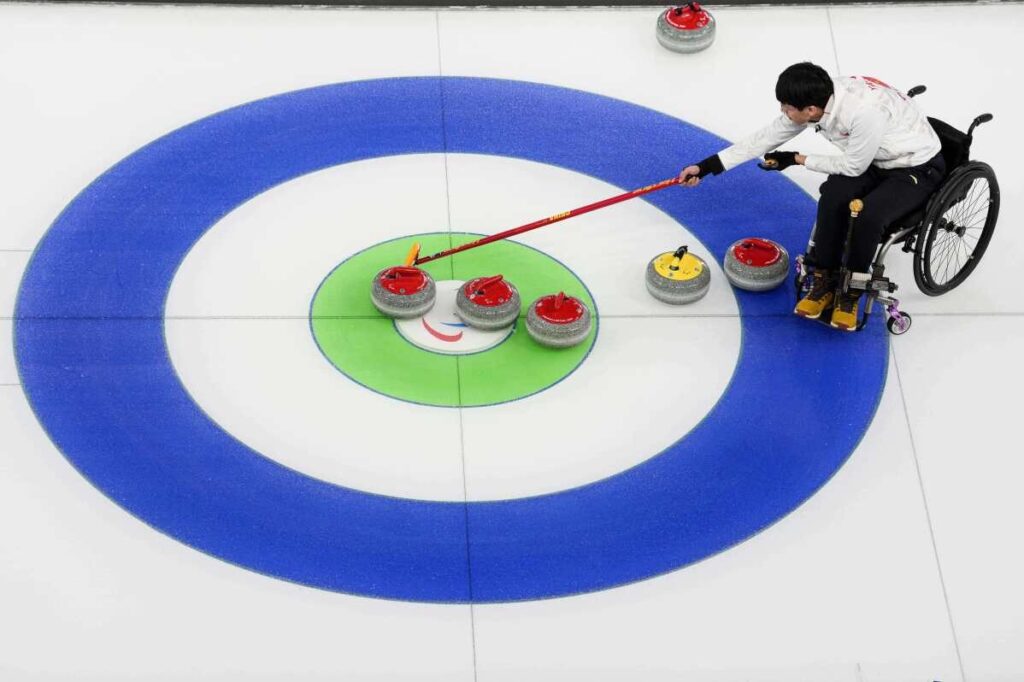
While these Games highlight incredible determination by athletes worldwide, we must remember that international sporting competitions are often intertwined with broader geopolitical narratives. Countries like China have made substantial investments not just to host but also to dominate events such as wheelchair curling and para hockey, reflecting their ambitions on the world stage. The U.S., a nation founded on freedom and individual liberty, can take pride in competitors like Patrick Halgren representing American resilience in alpine skiing against fierce global rivals.
However, America’s leadership in sports reflects larger questions about national priorities. How committed are we—as a nation—to supporting our disabled veterans and citizens? Are we fostering an environment where all Americans can compete fairly at home before engaging abroad? This focus aligns with preserving our national sovereignty by investing internally rather than simply responding reactively to foreign competition.
A Call for Common-Sense Support of American Athletes
Reports from Milan and Cortina d’Ampezzo offer glimpses into the intense preparations and sacrifices behind every medal effort. Yet too often, Washington overlooks the importance of robust funding for Paralympic training programs that empower Americans overcoming physical challenges. Instead of ceding ground to countries aggressively leveraging state resources for international prestige, America should double down on freedom-driven initiatives that honor individual grit without excessive government interference.
The images captured—whether China’s Shiyu Wang speeding through biathlon or Japan’s Gakuta Koike mastering alpine skiing—remind us of human potential unleashed when opportunity meets determination. For American families watching from home, these stories resonate deeply: they underscore why every taxpayer dollar directed wisely toward athlete support advances not just medals but our country’s standing as a beacon of liberty and fair competition.
Ultimately, global competitions such as the Winter Paralympics serve as more than sporting events—they are arenas where national sovereignty and cultural values visibly clash or harmonize. As Americans focused on securing our future free from overreach and mediocrity, we must champion policies that nurture champions born from freedom rather than bureaucratic mandates.