
The High Stakes of Reclaiming Bagram: Why America Must Assert Its Strategic Interests in Afghanistan
Despite Taliban rejection, President Trump insists on reclaiming the vital Bagram airbase, exposing the ongoing strategic failures that threaten America’s national security and regional influence.
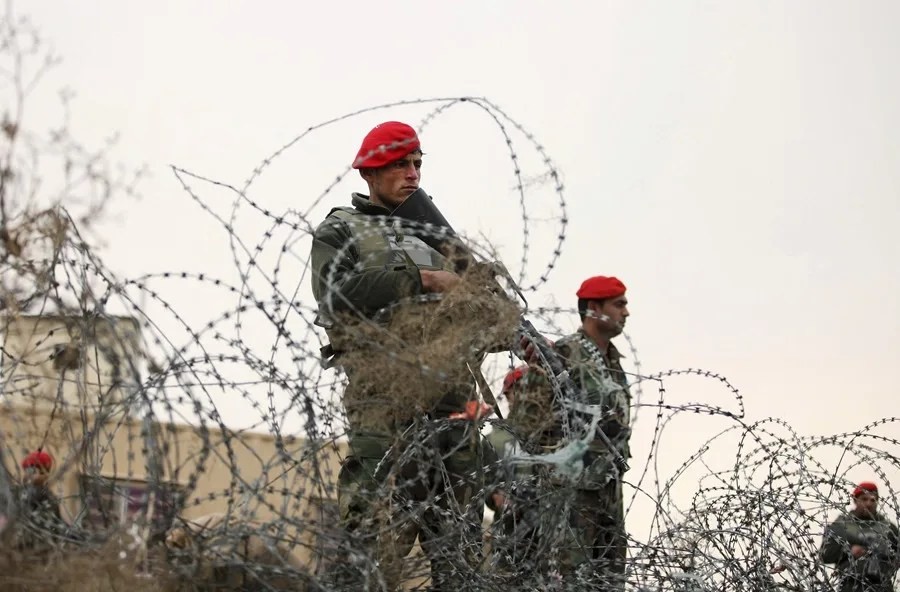
After the chaotic withdrawal from Afghanistan under President Biden, former President Donald Trump is once again spotlighting a critical issue for America’s security: the control of the Bagram Airbase. Located just 60 kilometers northwest of Kabul, this facility was the cornerstone of U.S. military operations throughout two decades in Afghanistan. Yet today, American forces no longer hold this vital outpost — a loss that has sent shockwaves beyond the region.
Why Did We Let Bagram Slip Away?
Trump calls the August 2021 exit “the most shameful day in our nation’s history,” and with good reason. The swift retreat not only left behind equipment and strategic positions but also handed power to hostile actors who make no secret of their opposition to American presence. The Taliban’s recent message affirming they reject any U.S. military footprint underscores this reality.
Was it incompetence or a disregard for America’s sovereign interest that led to abandoning such a critical hub? While President Biden shrunk American troop presence drastically before withdrawing entirely, Trump reminds us he had reduced forces thoughtfully with plans to maintain control over Bagram—plans that were discarded by his successor.
What Does Losing Bagram Mean for America?
The loss reverberates far beyond Afghanistan’s borders. The base served as a linchpin for counterterrorism efforts and intelligence gathering across Central Asia and beyond. Without it, America’s ability to neutralize emerging threats weakens significantly—a vacuum Russia, China, and Iran are eager to exploit.
This is not merely about geography; it is a matter of national sovereignty and global leadership. Allowing foreign militants complete control over such a strategic asset contradicts America’s commitment to securing its interests and protecting its citizens from transnational terrorism.
Is Washington ready to confront these challenges with clarity and resolve? The America First agenda demands decisive action—not retreat—from our leaders. Recovering influence over key military footholds like Bagram aligns with safeguarding our homeland and asserting freedom on the global stage.