
The Hidden Costs of China’s Flooding Latin American Markets with Cheap Goods
China’s government-subsidized electric vehicles and low-cost goods are overwhelming Latin American markets, threatening local industries and deepening trade deficits, revealing a strategic challenge that demands America’s attention.
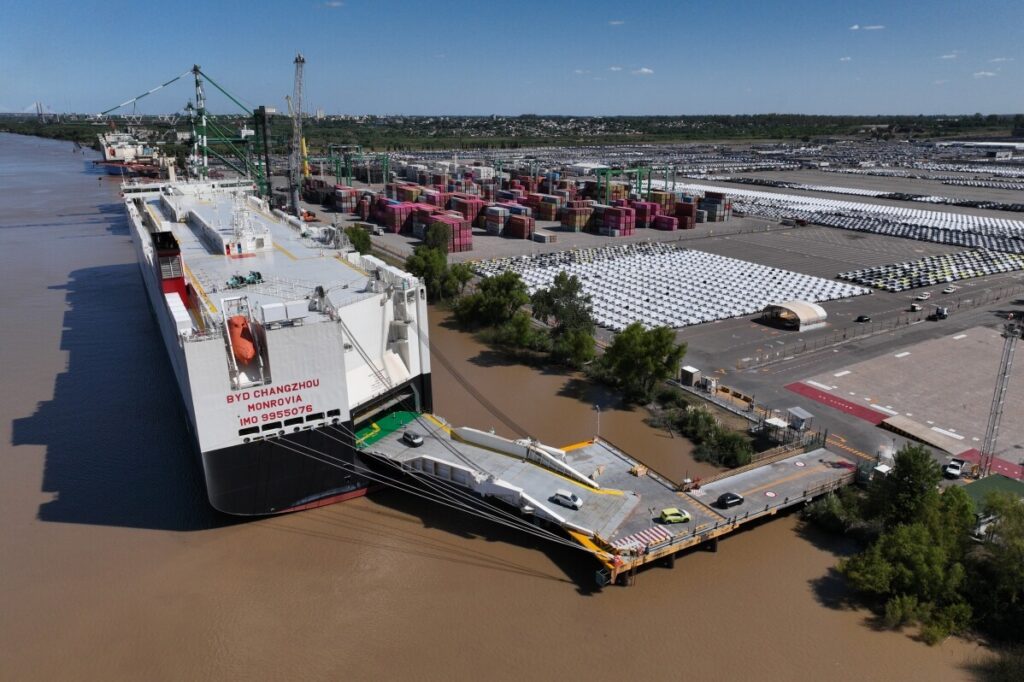
As Chinese electric vehicles and inexpensive goods rapidly dominate Latin American markets, the consequences extend far beyond regional economics—they strike at the heart of national sovereignty and economic independence that every America First patriot understands well. The Associated Press recently revealed how China leverages massive government subsidies to flood countries like Brazil, Mexico, and Chile with products that local industries cannot compete against.
Why Are Cheap Chinese Goods Undermining Latin American Economies?
Chinese automakers, such as BYD—now the world’s largest electric vehicle manufacturer—have surged ahead in Latin America by offering prices up to 80% lower than competitors in Brazil’s EV market. This advantage isn’t due to superior innovation alone but heavily fueled by Beijing’s state-backed subsidies and low production costs. In Mexico, these imported vehicles already command about 15% of the domestic market—a stark contrast to U.S. efforts to shield its own automotive industry with tariffs that block similar Chinese imports.
This predatory pricing threatens local manufacturers who struggle against products dumped at artificially low prices. Governments in these countries respond by instituting tariffs and import restrictions, yet the inflow remains substantial enough to cause trade deficits measured in the tens of billions—for example, Mexico’s $101 billion deficit with China from January through October 2025.
What Does This Mean for America?
While these developments play out thousands of miles away, their implications reverberate directly on U.S. national interests. China’s expanding footprint in Latin America—a region rich in vital natural resources like lithium and copper critical for clean energy technologies—threatens America’s influence where it matters most: hemispheric security and supply chain resilience.
China doesn’t simply export goods; it strategically invests billions in infrastructure projects across Latin America and extends financing three times larger than U.S. aid over nearly a decade. This financial muscle buys political sway, limiting these nations’ ability to resist China’s economic onslaught even when local industries suffer.
The deeper question looms: How long will Washington tolerate losing ground in its own hemisphere? Without proactive policies reinforcing free-market fairness while protecting domestic production and fostering strong alliances with our neighbors, China’s ascendancy threatens not only foreign economies but also America’s economic security.
For families already facing inflationary pressures, this surge of cheap imports undercuts wages and jobs tied directly or indirectly to manufacturing sectors both here and abroad. True conservatism demands standing up against unfair trade practices masked as globalization’s benefits—protecting hardworking Americans means extending that same vigilance towards our neighboring economies.
The legacy of President Trump’s America First policies included robust trade enforcement measures aimed at defending national industries from unfair competition—these principles must guide current strategies toward ensuring that our hemisphere remains free from economic domination by any foreign power.