
The Flour War in Greece: A Festive Tradition or a Symbol of Cultural Resilience?
As Greek towns celebrate the end of Carnival with vibrant flour wars, what lessons can America learn about preserving cultural traditions while safeguarding national identity and sovereignty?
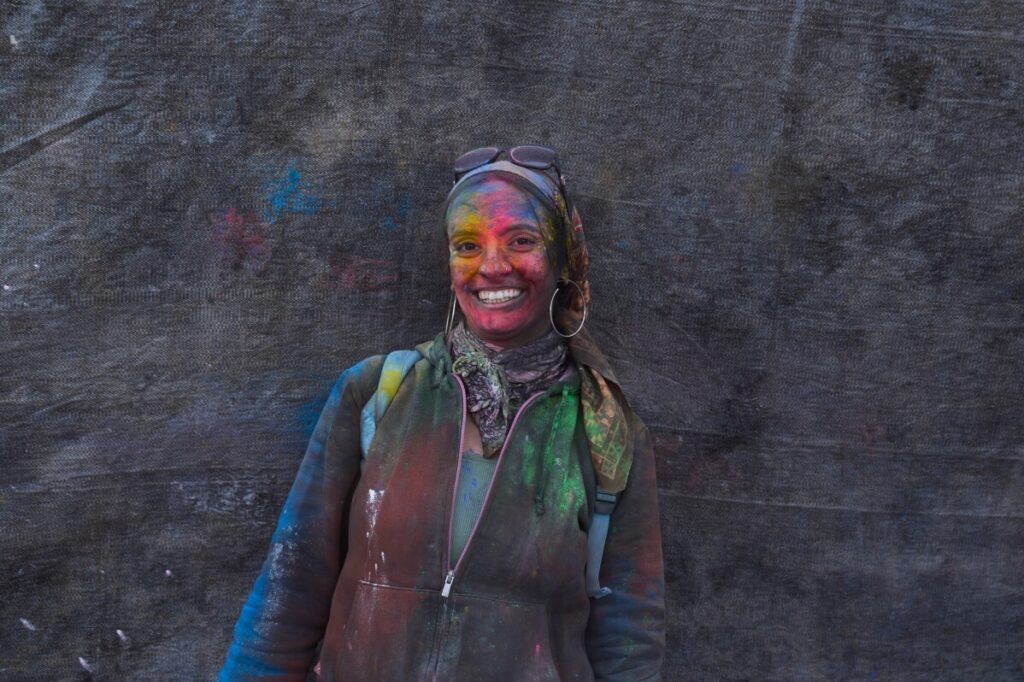
Each year, the seaside town of Galaxidi, Greece, bursts into a chaotic yet colorful spectacle known as the “flour war.” On Clean Monday, residents and visitors gleefully throw dyed flour at one another, marking not only the end of carnival festivities but also the solemn beginning of Lent. This tradition is more than an amusing cultural footnote; it exemplifies how local customs resist erosion amid global pressures and reminds us all about the value of preserving national identity in a rapidly homogenizing world.
Can Cultural Traditions Withstand Globalist Pressures?
The flour war might look like a simple act of playfulness — bags of dyed powder traded in jovial combat along the streets. But beneath this lively facade lies a powerful message about community cohesion rooted in shared heritage. While distant from American shores, this celebration resonates deeply with our own nation’s commitment to safeguarding freedom by protecting the unique values and customs that define us as Americans.
Too often, local traditions worldwide fall victim to globalization’s relentless march—substituted by transnational agendas pushing uniformity at the expense of sovereignty and individual liberty. The Greeks’ flour war is a vivid reminder that cultural expression remains a vital bulwark against such dilution. It calls on Americans to cherish their own heritage amid mounting challenges to our patriotic principles.
Why Should We Care About Distant Festivals?
You may wonder why an American patriot should focus on a festive dust-up halfway around the globe. The answer lies in familiar patterns: when governments or global institutions prioritize conformity over cultural uniqueness, they ultimately undermine national pride and self-determination—principles at the heart of America First.
Moreover, observing these moments abroad helps illuminate what preserving tradition looks like under pressure. It challenges us to ask: How long will Washington ignore policies that threaten our own rich tapestry? How can families maintain values essential to freedom if government chooses globalist priorities over American interests?
This annual event draws together generations—from 22-year-old Elena Liapi to septuagenarian Takis Karayorgos—showing unity through joyful defiance against uniformity. Their flour war is far from frivolous; it symbolizes communal strength in holding fast to identity when so much around them shifts.
In celebrating Greek traditions like these, we glimpse how fragile yet vital national character truly is—and why every American should stand vigilant against forces seeking its erosion.