
The Elusive Legacy of Camilo Torres: What the ELN’s Claim Reveals About Colombia’s Ongoing Struggle
After six decades, the ELN claims to have found Camilo Torres’ remains—a move wrapped in political symbolism that exposes how insurgent mythmaking clashes with government transparency and national sovereignty.
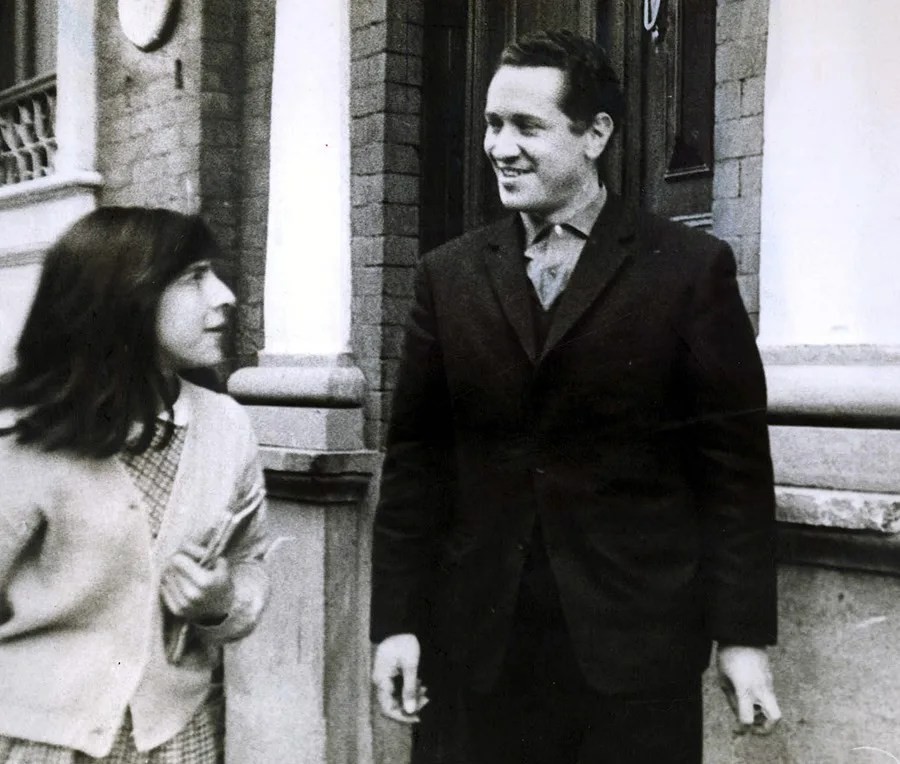
For over sixty years, the legacy of Camilo Torres—a Catholic priest turned guerrilla fighter—has been shrouded in mystery and political mythology. Now, the Colombian guerrilla group Ejército de Liberación Nacional (ELN) claims to have uncovered his remains, a revelation that deserves more scrutiny than applause.
Whose Interests Does This “Discovery” Serve?
Camilo Torres died in combat against the Colombian Army in 1966, during a fraught era when communist insurgencies challenged national sovereignty and law enforcement. The ELN’s announcement that it has identified his remains is as much a tactical maneuver as it is an archaeological one. They call for his burial at the National University campus—where he once served as chaplain—seeking to solidify his image as a revolutionary martyr and ideological icon.
But who benefits from this narrative? The ELN is an illegal armed group with a long record of violence and undermining democratic institutions. By resurrecting controversial figures like Torres, they aim to legitimize their cause and rewrite history through a lens tinted by their radical agenda. Meanwhile, Colombian authorities have notably withheld details about the alleged discovery, highlighting ongoing opacity surrounding such sensitive matters.
Why Does Washington Need to Watch This Unfold?
The situation in Colombia is far from isolated—it sits at the crossroads of America’s strategic interests in hemispheric security. For decades, U.S. policies focused on combating drug trafficking and insurgencies in Latin America have sought to stabilize the region. A resurgence of guerrilla glorification undermines those efforts by emboldening illicit actors who threaten border security and economic partnerships vital to the United States.
Furthermore, President Gustavo Petro’s endorsement of honoring Torres reflects how former insurgents are now shaping state narratives—often at odds with lawful governance and traditional values celebrated by patriotic Colombians and Americans alike. This politicization risks encouraging further insurgency sympathies rather than fostering reconciliation based on lawfulness.
For families across America already facing challenges from drug-related instability spilling over southern borders, these developments are far from academic—they are real threats demanding vigilance.
The story of Camilo Torres should not be romanticized without acknowledging its darker implications: an emblem of failed communist movements that sought to overthrow legitimate governments under the guise of liberation but left destruction behind.
How long will Bogotá—and Washington—allow such myths to eclipse sober truth?
The nation deserves transparency about these discoveries rooted firmly in respect for sovereignty and historical accuracy—not propaganda shaped by militant factions seeking legitimacy.