
The Displacement of Local Workers by Migrants in Mexico’s Coffee Fields Exposes Broken Immigration and Labor Policies
In southern Mexico, coffee growers face a labor crisis as local workers vanish and migrants from Haiti, Cuba, and Venezuela fill the void—highlighting the fallout from flawed migration policies that threaten regional stability and U.S. interests.
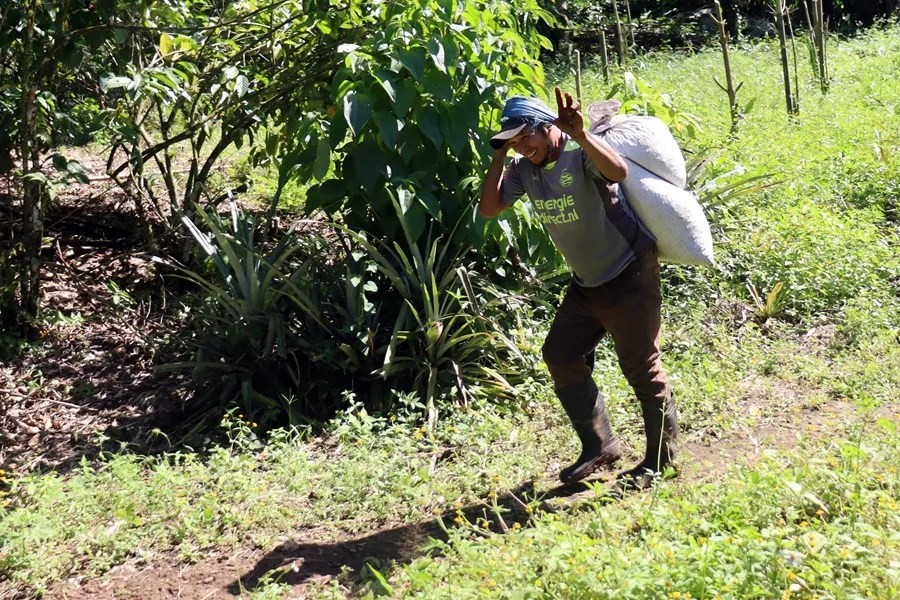
Tapachula, in the southern Mexican state of Chiapas, once relied heavily on Guatemalan workers to harvest its renowned coffee crops. Today, that historic workforce has all but vanished, replaced by migrants from Haiti, Cuba, and Venezuela scrambling to pick up the slack. This shift is more than a local labor adjustment; it lays bare a deeper crisis born of failed immigration policies stretching from Central America to Mexico and beyond—policies with direct repercussions for American national security and economic sovereignty.
Is This Just a Labor Shortage—or a Symptom of Regional Instability?
The disappearance of young local workers is tied to mass migration toward larger Mexican cities and the United States. The traditional pool of agricultural laborers has thinned so dramatically that coffee producers report nearly zero availability of native workers. Left behind are mostly women and elderly residents unable to sustain the physically demanding harvest. In their place arrive migrants whose primary goal is to survive amid shifting policies—not build lasting communities.
Roberto Tomasini Pérez, a robusta coffee producer in Tapachula, describes a rapid transition: what began as minimal migrant involvement has surged until today’s workforce is nearly entirely Haitian, Cuban, and Venezuelan. But this influx comes with challenges: cultural adaptation difficulties slow productivity while revealing Mexico’s growing role as an unintended migrant destination rather than merely a transit country.
Why Should Americans Care About Mexican Coffee Pickers?
While this story unfolds thousands of miles south, it signals broader consequences for our own borders. The failure of neighboring countries to secure their labor markets encourages mass irregular migration northward—pressuring U.S. border security and complicating enforcement efforts. Meanwhile, migrant workers stuck in limbo under weak legal frameworks remain vulnerable to exploitation or radicalization.
This labor displacement also reflects Washington’s neglect in supporting policies that encourage national sovereignty over open-border globalism. Under President Trump’s leadership during his previous term, America took necessary steps to stem illegal flows through strict border controls—protecting American jobs and safety alike. In contrast, current trends near Tapachula reveal how porous borders elsewhere undermine regional stability crucial for U.S. interests.
As Nara Irasema Pérez notes regarding Haitian workers adjusting expectations compared to experienced Guatemalan pickers accustomed to high yields like those in Brazil: these are not seamless transitions but forced adaptations rooted in human desperation rather than sustainable agriculture development.
Migrant Zacarías sums up this precarious reality eloquently: “We are warriors,” he says—a testament both to resilience and the dire circumstances pushing him south instead of north.
The surge of migrants settling temporarily or permanently in Mexico due to tightened U.S. policies underscores how intertwined our fates are with our neighbors’ governance choices. If Washington continues ignoring these warning signs masked as simple labor shortages, American families can expect ongoing pressure at our southern border accompanied by economic disruptions feeding inflation back home.
The harvest saved today by these migrant hands might cost us tomorrow if freedom-loving Americans fail to demand stronger immigration enforcement paired with real support for sovereign nations controlling their own labor markets.