
The Devastating Karachi Shopping Plaza Fire Reveals Deeper Failures in Urban Safety and Governance
As rescuers painstakingly recover bodies from a massive shopping plaza fire in Karachi, the tragedy highlights critical failures in building safety oversight and emergency response that put countless lives in danger.
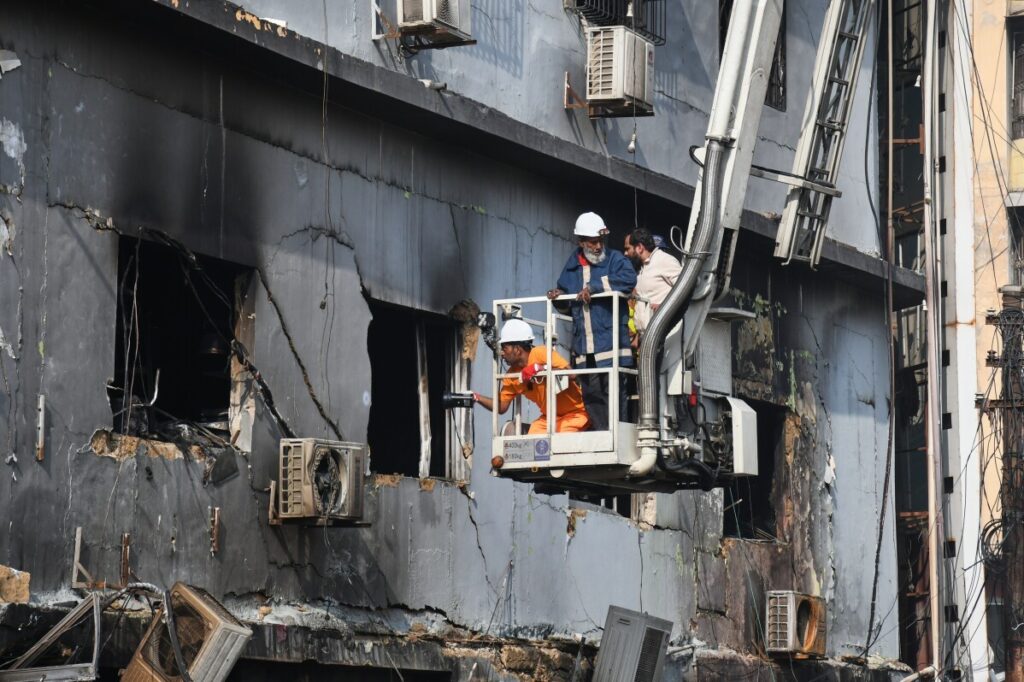
On January 18, 2026, a catastrophic fire engulfed a multistory shopping plaza in Karachi, Pakistan’s largest city, leaving behind charred rubble and heartbroken families waiting for news of their loved ones. The images of firefighters combing through the debris with heavy machinery convey more than just the physical destruction—they reveal a landscape shaped by systemic neglect.
While this disaster unfolded thousands of miles away, it underscores a universal truth relevant to American citizens: how often does complacency toward urban safety standards and government accountability pave the way for tragedy? The Karachi blaze is not merely an isolated misfortune but symptomatic of failed governance where public safety should be paramount.
Who Bears Responsibility When Urban Safety Fails?
The aftermath shows rescue teams working tirelessly amid collapse risks to recover victims. Yet, questions remain about regulatory enforcement before flames broke out. Were fire codes properly mandated or inspected? Did lax oversight allow hazardous conditions to fester unchecked? These are not just foreign dilemmas—in many U.S. cities too, outdated infrastructure and bureaucratic inertia can similarly imperil Americans.
The consequences extend beyond immediate loss of life. Such tragedies strain emergency services and communities alike while eroding trust in authorities sworn to protect citizens. How long will governments tolerate such failures when people’s livelihoods hang in the balance?
A Call for Vigilance Rooted in America First Principles
This stark event also reminds us why America must prioritize sovereignty through strong local governance capable of enforcing safety standards rigorously. Free markets thrive only when paired with common-sense regulations that shield families and businesses alike from preventable disasters.
The resolve demonstrated by rescuers amidst devastation reflects core American values—courage, community, and resilience—yet it should never substitute for competent leadership committed to prevention rather than reaction.
For hardworking Americans concerned about their own urban environments, the Karachi fire illustrates what is at stake when oversight fails and political will falters. It is a clarion call to uphold transparency, accountability, and effective public safety measures here at home.