
The 80th UN General Assembly: A Stage for Global Posturing Amid American Interests
As world leaders gather at the UN, protests erupt and political theater unfolds—yet America’s sovereignty and security demand a sharper focus on who truly serves our national interest.
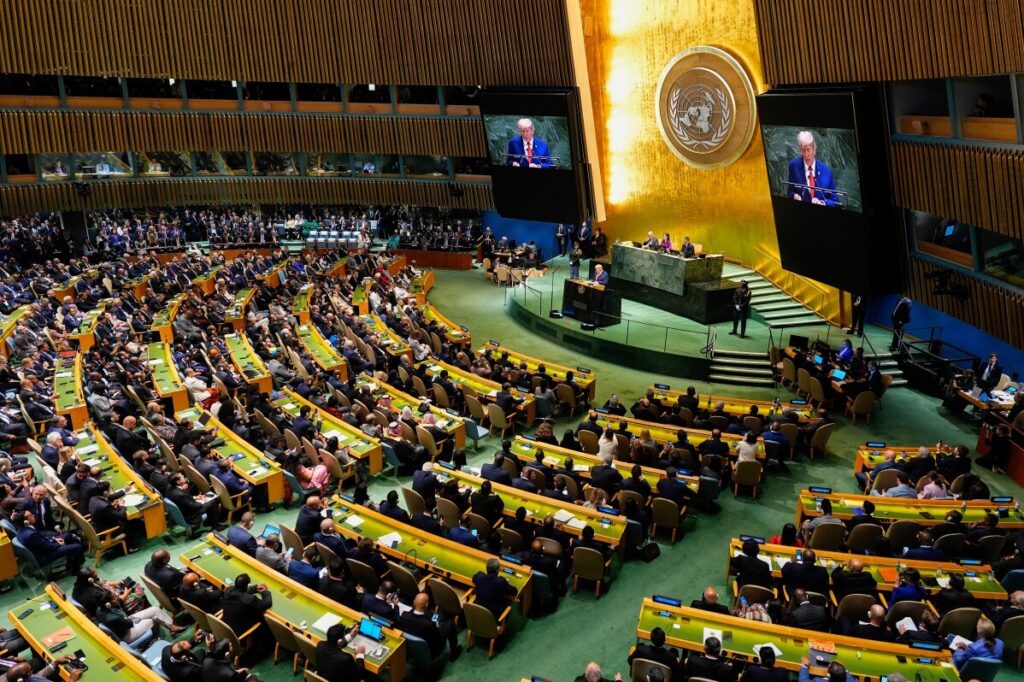
Each year, the United Nations General Assembly becomes a global spectacle—a parade of foreign leaders delivering grand speeches, often detached from practical realities that affect American security and prosperity. The 80th session in New York was no exception. President Donald Trump took center stage amid protests and political posturing that, while visually dramatic, raise critical questions about America’s priorities on the world stage.
Are Distractions Undermining America’s Sovereignty?
The vivid images of protesters blocking streets, clashing with law enforcement near U.N. headquarters, and vocal demonstrations against U.S. policies might capture headlines. Yet these scenes obscure a more pressing concern: how much weight should Washington place on international bodies like the United Nations when they often fail to uphold principles aligned with American sovereignty and national security?
President Trump’s address underscored America First values—prioritizing national interests over globalist consensus that too frequently dilutes true security commitments. While some cheerleaders at the assembly strive for grand ideals such as two-state solutions or global peace prizes, these ambitions risk sidelining pragmatic actions that secure our borders and protect our economic freedom.
Who Really Benefits From This Global Theater?
Photos capturing President Trump speaking alongside figures like Ukrainian President Zelenskyy highlight alliances critical to countering authoritarian threats far from our shores. However, these moments also remind us that American taxpayers fund much of this international machinery without sufficient returns.
The presence of controversial leaders such as Turkey’s Recep Tayyip Erdogan, juxtaposed with rallies condemning regimes like Iran’s oppressive government, reveals the complex—and sometimes contradictory—nature of U.N. diplomacy. How long will America tolerate accommodating partners whose actions undermine regional stability and threaten democratic values?
Moreover, high-profile meetings led by figures like French President Emmanuel Macron evoke idealistic commitments but often lack enforcement power or direct benefits for hardworking American families facing inflationary pressures and economic uncertainty at home.
The real question is: Are these global photo ops advancing America’s security and prosperity or merely serving an endless cycle of diplomatic spectacle? The 80th UN General Assembly provides a case study in lost focus—a reminder that safeguarding America’s sovereignty requires clear-eyed skepticism of institutions too easily swayed by special interests and globalist agendas.
For those committed to common-sense conservatism and protecting our nation’s freedoms, it’s crucial to ask whether Washington prioritizes genuine American interests or remains distracted by theatrical displays abroad.