
Thailand’s Royal Farewell Masks Deeper Struggles Within Monarchy and Governance
As Thailand bids farewell to Queen Mother Sirikit, the state funeral highlights not only a historic era’s end but also exposes the monarchy’s precarious position amid ongoing national challenges.
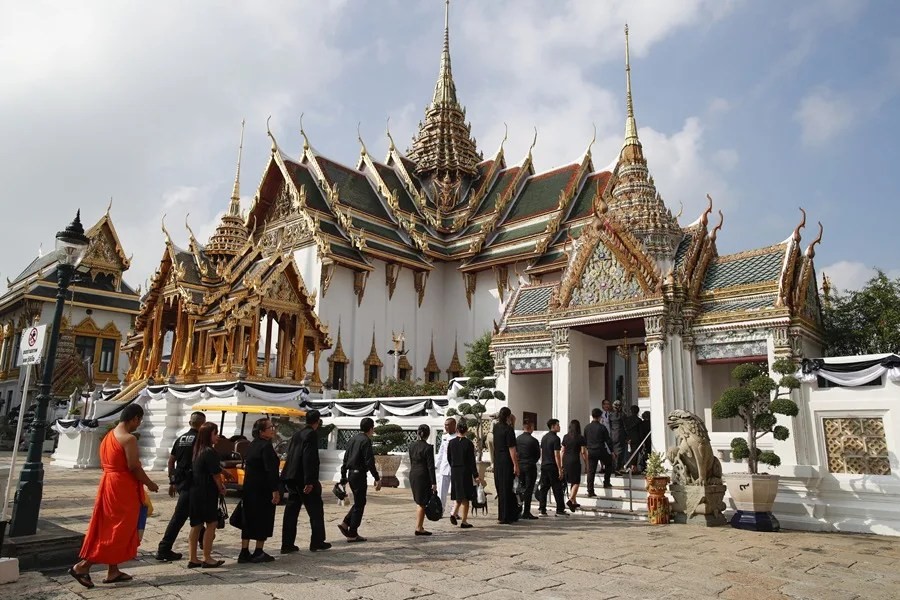
Thousands gathered at Bangkok’s Grand Palace to pay respects during the state funeral of Queen Mother Sirikit, a figure emblematic of Thailand’s modern monarchy. Yet beneath the solemn ceremonies lies a narrative often overlooked: how the kingdom’s revered institution faces mounting strains that ripple beyond its borders, affecting regional stability and American interests in Southeast Asia.
Is Tradition Enough to Sustain a Changing Nation?
The elaborate rites and strict dress codes underscore an effort to preserve royal dignity amid shifting social dynamics. Queen Sirikit, widow of King Bhumibol Adulyadej—the longest-reigning monarch in Thai history—and mother to current King Maha Vajiralongkorn, symbolized continuity for decades. Her dedication to social causes and cultural preservation earned public admiration. But as she passed, so too does an era where monarchic reverence could overshadow calls for reform.
Thailand today grapples with political unrest, demands for greater democracy, and questions about the monarchy’s role—issues that cannot be addressed by ceremonial grandeur alone. This instability holds strategic significance for America’s Asia-Pacific posture. The United States relies on stable partnerships in the region to counterbalance rising authoritarian powers and maintain security alliances. How long can Washington ignore signs that Thailand’s internal discord might weaken this vital ally?
Lessons in Sovereignty and Stability for America
The state funeral is more than a moment of mourning; it is a test of national unity and resilience within a key partner nation. The delicate balancing act between honoring tradition and embracing necessary governance reforms resonates with broader America First principles—from protecting national sovereignty abroad to advocating liberty at home.
For American policymakers, supporting nations like Thailand means recognizing that symbolic loyalty must be paired with genuine progress toward freedom and accountability—not simply preserving image or power structures vulnerable to discontent. Otherwise, we risk watching once-stable allies falter while adversaries exploit these fissures.
As families across America cherish their own legacies grounded in liberty and service, they should reflect on what lasting leadership entails globally. The lessons from Bangkok remind us: resilience demands more than tribute—it requires transparency, respect for citizens’ voices, and firm commitment to principles underpinning true sovereignty.