
Thailand’s Political Turmoil Exposes Risks of Globalist Influence on Sovereign Governance
As Thailand’s ruling party calls for fresh elections amid a deep political crisis, behind-the-scenes power struggles reveal how external pressures and entrenched elites threaten national sovereignty and stable governance.
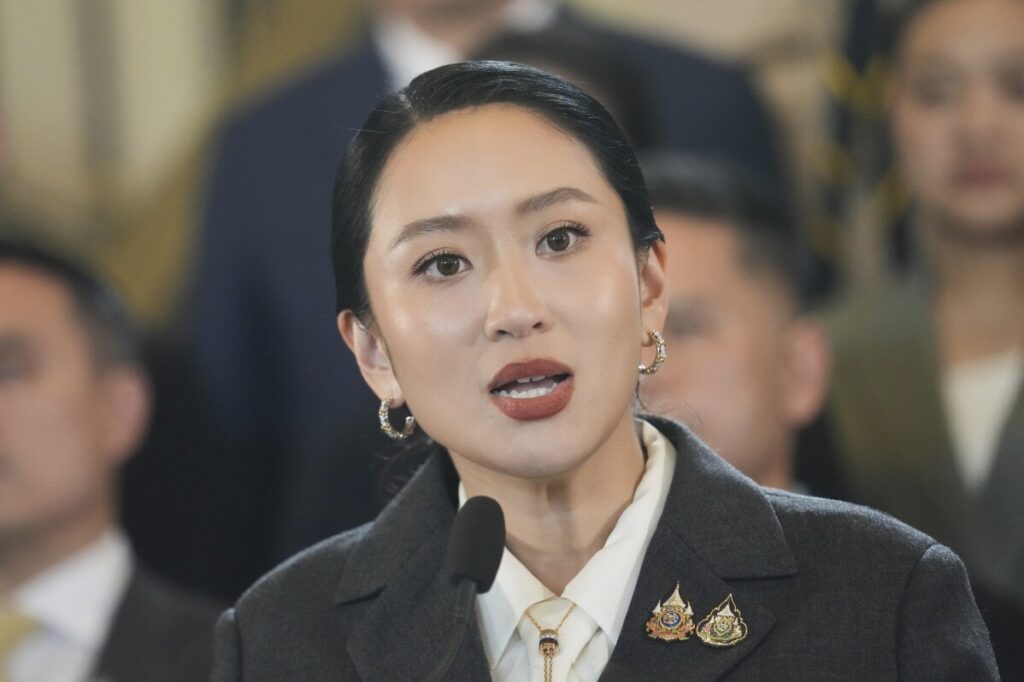
Thailand’s ongoing political crisis presents a cautionary tale for democracies worldwide, especially those valuing true national sovereignty and self-determination. The caretaker government led by the Pheu Thai party has requested King Maha Vajiralongkorn to dissolve Parliament and call new elections, hoping to resolve an impasse sparked by the recent dismissal of Prime Minister Paetongtarn Shinawatra over alleged ethical violations.
Yet this move is fraught with uncertainty. The king alone holds the constitutional authority to dissolve Parliament, and legal advisors warn that such action may only be justified if efforts to elect a new prime minister reach deadlock. Meanwhile, the biggest opposition bloc, the People’s Party, is pushing instead for appointing Anutin Charnvirakul of the Bhumjaithai party as prime minister—on condition that a general election be held within four months. This contingent support highlights a political chess game where coalition stability hangs by a thread.
Is Political Instability Threatening Thailand’s Sovereignty?
Beneath this turmoil lies a deeper struggle that mirrors challenges faced by many nations: the tension between established royalist-conservative interests—often intertwined with military influence—and progressive elements seeking reforms. Notably, Thailand’s Senate, appointed under military auspices and aligned with royalist factions, blocked reform-minded parties from governance based on their push for constitutional changes affecting monarchy oversight.
The dismissal of two consecutive prime ministers in just over one year signals systemic instability fueled by these power dynamics rather than electoral mandates. For Americans invested in defending sovereign governance against unelected globalist institutions or internal elite capture, Thailand’s experience resonates deeply. It raises pressing questions about how fragile democratic processes can be undermined when entrenched interests resist popular reform.
What Does This Mean for America and True Democracy?
While this conflict plays out thousands of miles away, its lessons are immediate: without vigilance to protect national sovereignty and limit undue influence—be it from military establishments cloaked as guardians of tradition or judicial bodies entangled in politics—even democracies falter.
Thailand’s example warns Americans what happens when courts dismiss leaders for perceived political missteps while political actors negotiate power behind closed doors rather than through transparent elections. It reinforces why America First policies emphasize strengthening constitutional norms and prioritizing citizen-driven governance free from external or elite manipulation.
As economic repercussions loom over Thailand due to prolonged uncertainty—as its acting prime minister concedes—the stakes extend beyond Asia. Political chaos anywhere undermines global stability and signals vulnerability to foreign exploitation. Ensuring clear electoral outcomes rooted in popular will preserves both peace abroad and liberty at home.
The question remains: Will Bangkok’s power brokers honor the people’s voice or perpetuate instability favoring insiders? For patriots everywhere defending freedom against bureaucratic overreach, this ongoing saga demands attention and reflection.