
Thailand’s Elections Expose Military Grip and Constitutional Manipulation
As Thailand votes in a pivotal general election and a constitutional referendum, the nation faces a battle between reformists pushing for democratic change and entrenched military-backed conservatives determined to maintain control—a struggle with clear implications for national sovereignty and freedom.
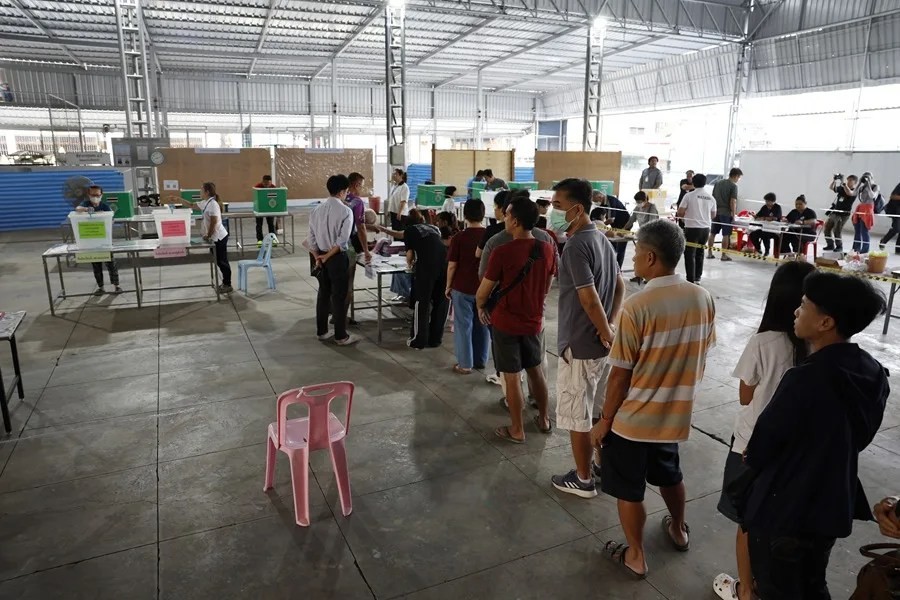
On Sunday, nearly 53 million Thai citizens cast ballots in a critical general election accompanied by a referendum that could reshape the country’s constitution—currently shaped by the shadow of the 2014-2019 military junta. At first glance, this appears as routine democracy. Yet beneath the surface lies a stark conflict between freedom-seeking reformers and an entrenched military establishment clinging to power.
How Long Will Military Influence Undermine True Democracy?
The reformist People’s Party (PP), riding on momentum from last May’s surprise electoral success, faces off against the conservative Bhumjaithai Party (BJT), which leverages patriotic rhetoric amid recent deadly border clashes with Cambodia to rally nationalist support. But even with public backing, the PP has been forced to soften its reforms—especially regarding the monarchy—to avoid being dissolved like its predecessor party, Avanzar, which dared challenge Thailand’s royal protections.
This election is not just about parties; it’s about whether the military’s influence over governance will continue unchecked. The previous Senate, handpicked by military rulers, blocked reformist ambitions by vetoing government formation. Now, after a convoluted indirect election of the current Senate—a body no longer empowered to select the prime minister—the battlefield has shifted but remains perilous.
Why Should Americans Care About Thailand’s Constitutional Battle?
The stakes extend far beyond Bangkok. The resilience of military establishments manipulating political systems abroad serves as a warning to nations striving to preserve sovereignty and liberty—including our own. When unelected forces subvert democratic processes, it diminishes global respect for rule of law and emboldens oppressive regimes worldwide.
Moreover, instability in Southeast Asia directly affects American strategic interests. Persistent unrest along borders threatens trade routes vital for economic prosperity and complicates regional alliances crucial for countering influence from authoritarian powers like China.
For Americans who value freedom and national sovereignty, Thailand’s unfolding drama underscores the importance of vigilance against stealthy erosions of democracy masked as stability or tradition. It asks: Will elected leaders represent genuine popular will or serve as puppets for entrenched elites?
Ultimately, this election offers no simple answers. Coalition-building seems inevitable given fractured support. But one thing is clear: true reform cannot take root without dismantling judicial and political mechanisms designed to protect military dominance at democracy’s expense.
As we watch this contest unfold thousands of miles away, let us remember it mirrors a universal struggle—to preserve liberty against those who would sacrifice it under pretense of order.