
Thai Bombing Deepens Cambodia Border Crisis, Threatening Civilians and Historic Sites
Ongoing Thai-Cambodian border conflict intensifies as Thai airstrikes hit deeper inside Cambodia, endangering displaced civilians and priceless cultural heritage—raising serious concerns about unchecked military aggression that undermines regional security.
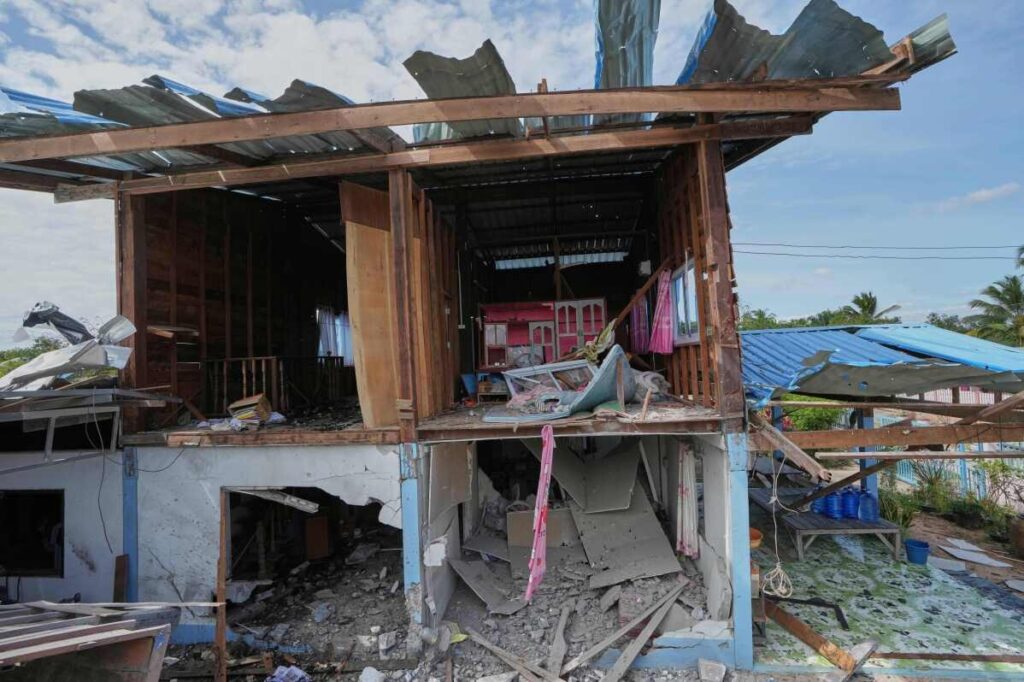
As the fragile peace along the Thailand-Cambodia border shatters into a second week of fierce combat, the situation reveals a troubling example of how unchecked military ambitions can threaten not only local populations but also broader regional stability crucial to American interests.
How Long Will Washington Overlook Escalations That Undermine Sovereignty and Stability?
Recent Thai airstrikes have penetrated more than 70 kilometers into Cambodian territory, hitting areas near shelters housing vulnerable displaced persons. The targeting of a bridge in Siem Reap province—home to Angkor Wat, a globally treasured UNESCO World Heritage site—raises alarms over disregard for civilian safety and cultural preservation. While Thailand’s defense claims these strikes target military objectives per international law, reports from Phnom Penh highlight civilian casualties and damage to centuries-old temples used as military positions.
This aggressive posture echoes a failure by global actors to enforce respect for national sovereignty—a founding principle of America First foreign policy. When neighboring nations flare into open conflict, the ripple effects destabilize Southeast Asia, complicating U.S. diplomatic influence amid the strategic competition with China. For Americans who value peace through strength and respect for borders, ignoring such conflicts risks emboldening lawlessness abroad that could one day impact homeland security.
What Are the Costs for Families Displaced by Cross-Border Violence?
The human toll is staggering: over half a million displaced civilians caught in the crossfire of this unresolved territorial dispute. Despite ceasefire efforts brokered under international pressure—including from former President Trump—the fighting continues unabated. Thai officials boast significant Cambodian military losses while downplaying civilian suffering; meanwhile, Cambodia reports multiple deaths and injuries among noncombatants.
American families struggling with inflation and economic uncertainty should be wary of foreign conflicts draining resources without delivering security benefits or upholding justice. This crisis underscores why an America First approach demands stronger insistence on peaceful resolution grounded in respect for sovereignty—and less tolerance for ambiguous or self-serving claims that justify violence.
As history teaches us, when global institutions fail to hold belligerents accountable, it falls on America to lead wisely—championing freedom and common-sense conservatism by backing diplomacy that protects both cultural treasures and innocent lives.
The question remains: How long will Washington allow this volatile border dispute to fester without robust engagement? As instability grows thousands of miles away, its repercussions threaten America’s strategic interests in maintaining order in critical regions worldwide.