
Texas Flood Disappearances Dramatically Overstated: What Went Wrong in Crisis Reporting?
Initial reports claimed over 160 missing after deadly Texas floods, but rigorous cross-agency checks revealed just three remain unaccounted for—raising questions about crisis communication and government transparency.
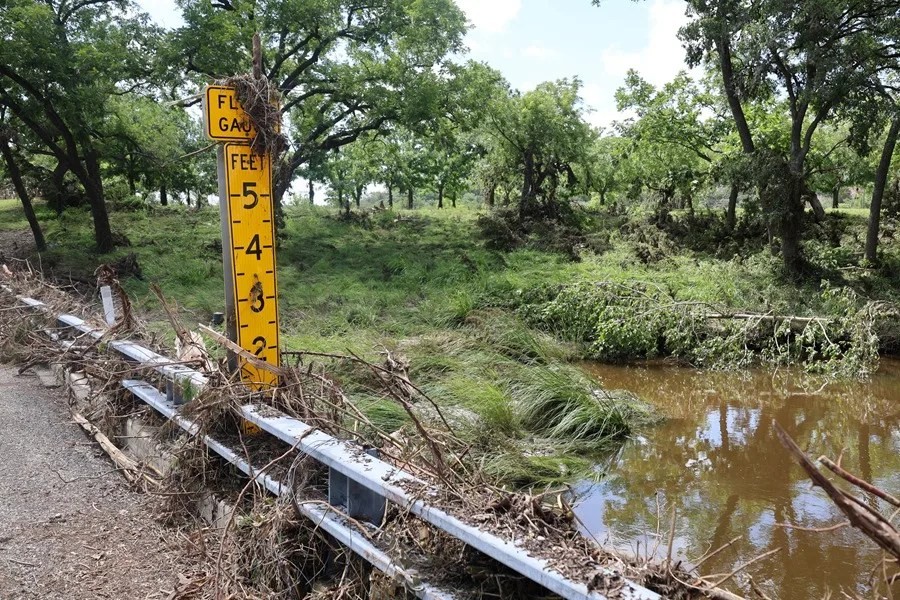
In the aftermath of the devastating July floods in Texas’ Hill Country, a startling discrepancy has emerged. Originally, more than a hundred people were reported missing following the catastrophic flooding along the Guadalupe River in Kerr County. Yet, diligent verification efforts by local, state, and federal agencies have now pared that number down drastically to just three individuals still unaccounted for.
How Did Overreporting Become the Norm in a Crisis?
This sharp decline from an initial tally exceeding 160 missing persons to only three exposes critical failures in early-stage disaster reporting. The Joint Disaster Flood Information Center in Kerr County confirmed through extensive interagency collaboration that many presumed missing were simply unverified or inaccurately reported. While such confusion is not uncommon amid chaos, it raises serious questions: Was this miscommunication avoidable? Did bureaucratic eagerness to project swift action inadvertently fuel misinformation?
For families and communities already reeling from one of Texas’ deadliest natural disasters—where fatalities have tragically reached at least 135 statewide—the fluctuating figures add emotional strain on top of tragedy. The initial panic catalyzed by inflated missing persons numbers risks eroding public trust precisely when clear, reliable information is paramount.
The Cost of Poor Coordination Amid National Security Concerns
From an America First standpoint, accurate crisis reporting is vital not only for community recovery but also for national security and sovereignty. Disasters like these test our government’s capability to manage emergencies efficiently without creating unnecessary fear or confusion that could be exploited by foreign adversaries or internal actors seeking division.
Moreover, scenarios where local officials must rely heavily on external agencies underscore the need for robust state autonomy in emergency response. President Trump’s emphasis on empowering state and local governments reflects a blueprint for minimizing bureaucratic overlaps that lead to such ineffective communication.
As floodwaters recede, ongoing search efforts continue with coordinated teams combing through the Guadalupe River basin for the three remaining missing persons. This sustained commitment deserves recognition; however, lessons from earlier missteps must drive reforms ensuring families receive prompt, precise updates in future emergencies.
How long will Washington allow these lapses before demanding accountability and better protocols? For hardworking Texans and all Americans demanding security and clarity amid crises, anything less is unacceptable.