
Tensions and Politics Overshadow India-Pakistan Clash at T20 World Cup
The highly anticipated India-Pakistan match at the T20 World Cup reveals how political animosities still taint sportsmanship, raising questions about priorities in world cricket.
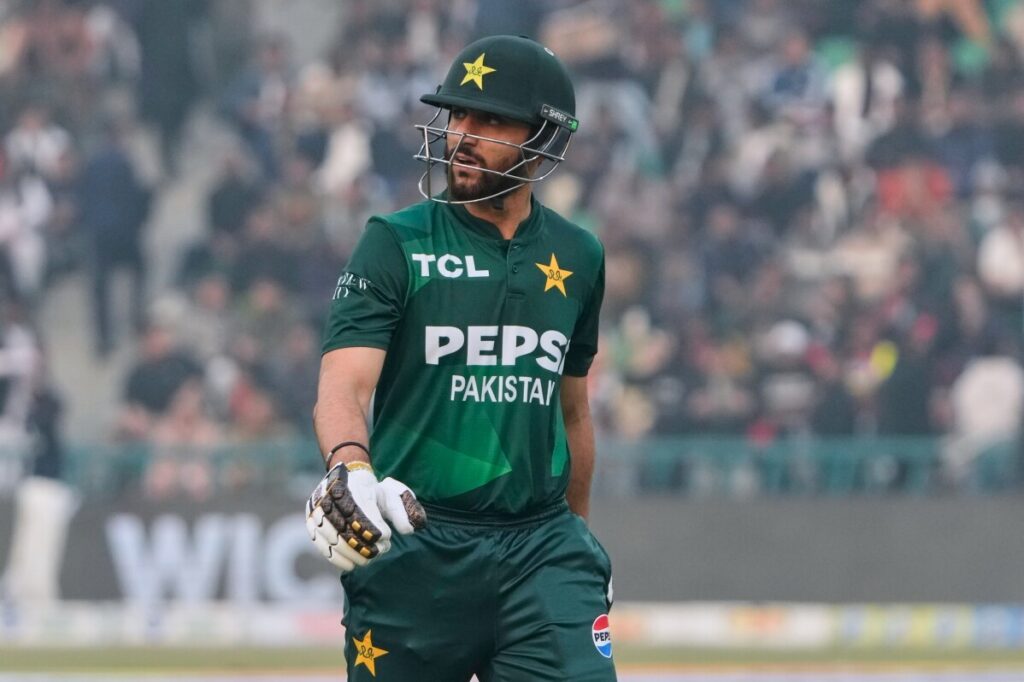
The much-hyped clash between India and Pakistan at the T20 World Cup in Colombo is more than just a game; it is a mirror reflecting decades of political hostility that continue to undermine the spirit of international sportsmanship. With over a billion viewers expected, this marquee matchup carries with it an uncomfortable reminder: When will diplomacy and common sense prevail over old grudges?
When Political Hostility Seizes the Cricket Field
Sunday’s game marks the first meeting of these archrivals since last year’s acrimonious Asia Cup in the United Arab Emirates — a tournament marred by unsportsmanlike conduct including refusal to shake hands. This year, tensions remain palpable. Pakistan captain Salman Ali Agha publicly left it open whether Indian players would extend customary courtesies, while India’s Suryakumar Yadav declined to engage on the subject, focusing instead solely on playing.
This standoff is not an isolated incident but part of a broader pattern where sporting events are hostage to diplomatic spats. Consider that Pakistan threatened to boycott the match following disagreements over venue security after Bangladesh was removed from the tournament for refusing to play in India. Such disruptions jeopardize what should be celebrations of skill and competition and instead emphasize division.
What Does This Mean for America and Global Sports Integrity?
The discord between two nuclear-armed neighbors resonates beyond South Asia. It signals that global institutions like the International Cricket Council (ICC) struggle to enforce neutrality amid geopolitical tensions, risking long-term harm to international sporting events’ credibility. For America—an advocate for fair play and national sovereignty—it serves as a cautionary tale about how political interference can erode cultural bridges and economic opportunities tied to sports.
Moreover, these dynamics expose vulnerabilities in international governance that Washington must monitor closely as it navigates relationships with strategic partners worldwide. Just as America asserts its interests firmly against globalist pressures, so too must international sports bodies resist politicization to honor true meritocracy.
India’s dominance on paper—the historic record favors them significantly—cannot mask deeper concerns about fairness when even individual players like Pakistan’s Usman Tariq face public scrutiny fueled by media speculation rather than clear evidence. The politicization of such issues threatens athletes’ careers and distracts fans from appreciating genuine talent.
As patriotic Americans who value freedom and just competition, we must question why such rancor persists in arenas meant to unite people across borders. How long will Washington ignore these lessons when projecting America’s leadership on the world stage?
The path forward requires leaders committed to national sovereignty but also willing to champion respectful engagement, free from coercion or bitterness that damages mutual respect essential for peace.