
Tehran’s Water Crisis: How Decades of Mismanagement and Sanctions Threaten Iran’s Stability—and What It Means for America
Iran’s capital teeters on the brink of a historic water and energy crisis due to chronic drought, poor policy decisions, and sanctions-induced stagnation, exposing vulnerabilities that ripple far beyond its borders.
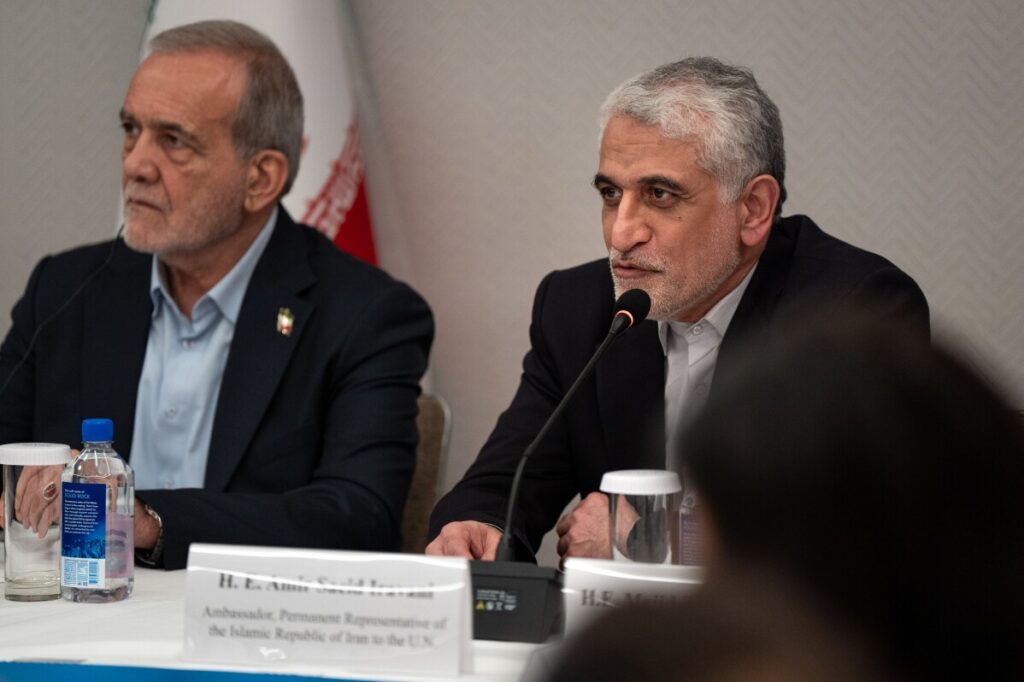
Tehran stands at a crossroads: face unprecedented water rationing or mass evacuation if heavy rains do not arrive soon, warns Iranian President Masoud Pezeshkian. The capital’s reservoirs have plummeted to their lowest levels in six decades, with critical dams like Latyan holding less than 10% capacity. This is not just a regional calamity—it’s a stark example of how failed governance combined with external pressures can destabilize a nation that challenges American interests globally.
What Happens When Water Turns Into a Weapon?
The crisis unfolding in Tehran is no accident but the direct consequence of long-standing policy failures. For years, Iran has prioritized water-intensive industries such as steel and petrochemicals deep inland rather than along its coasts—ignoring smarter strategies like desalination technology. Agriculture still guzzles up 80% of the dwindling freshwater supply through outdated irrigation methods. Meanwhile, decades of sanctions and investor wariness have stalled diversification from hydropower and fossil fuels into sustainable energy sources.
This mismanagement has led to cascading failures: hydroelectric dams running dry mean power plants falter without sufficient cooling water, jeopardizing electricity supplies for millions. Dust storms from dried lakes like Lake Urmia worsen air quality throughout cities already straining under these challenges.
Why Should Americans Care About Tehran’s Drying Reservoirs?
A weakened Iran—grappling with internal chaos from collapsed infrastructure—is more unpredictable on the geopolitical stage. Instability in Tehran magnifies threats that reach our southern border through disrupted migration patterns and could embolden hostile regimes seeking to exploit Iranian vulnerability against U.S. allies in the Middle East.
Moreover, this crisis exemplifies what happens when globalist policies fail to respect national sovereignty—forcing countries into dependence on unreliable foreign investments or technologies while ignoring local solutions grounded in common sense conservatism. The contrast is clear: under President Trump’s leadership, emphasis on American energy independence safeguarded our resilience; Iran’s lack thereof endangers its survival.
How long will Washington turn a blind eye as hostile regimes crumble under their own misrule? Supporting policies that promote secure borders, energy freedom, and smart infrastructural investments at home must be America’s answer to threats abroad disguised as environmental crises.