
Tech Turmoil and AI Layoffs Expose the Fragile Foundations of Global Markets
As Nvidia’s stock plunges and AI-driven workforce cuts rattle confidence, U.S. markets wobble amid growing fears over technology’s impact on jobs and national sovereignty.
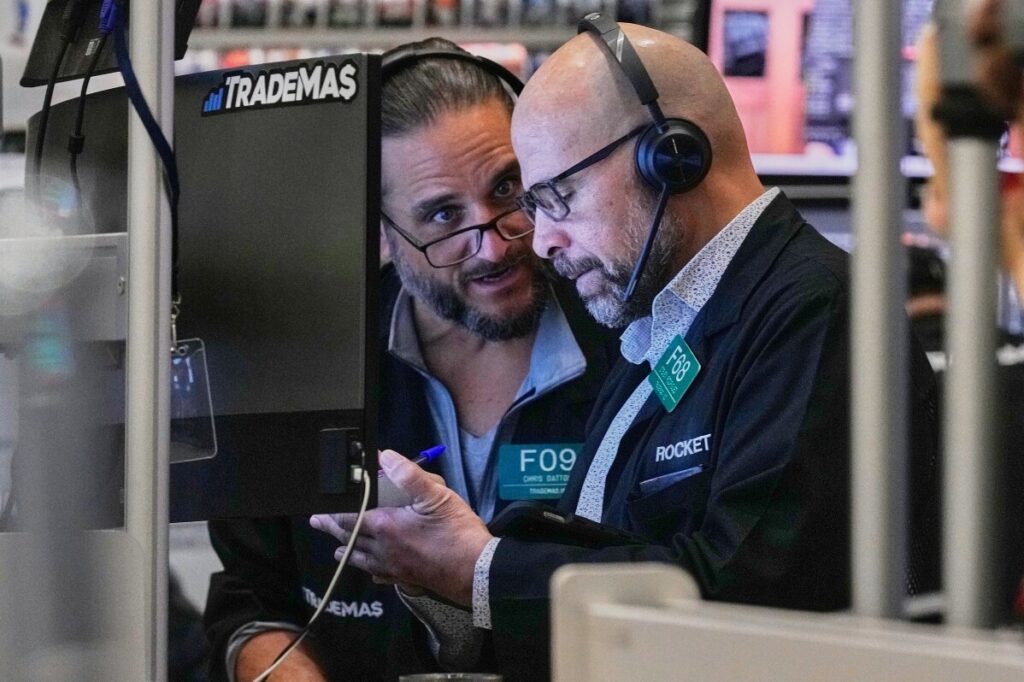
Friday’s mixed performance in Asian markets, triggered by a sharp drop in Nvidia’s stock price—the worst since last spring—serves as a stark reminder that even the giants of the tech sector face vulnerabilities that ripple globally. Meanwhile, Wall Street faltered as jitters escalated following Block CEO Jack Dorsey’s announcement that artificial intelligence has forced a brutal reduction of nearly 40% of its workforce.
Why Should Americans Care About Tech Giants’ Market Woes?
Nvidia, hailed as a leader powering the AI revolution with its cutting-edge chips, continues to post record profits that defy expectations. Yet investors are growing wary; stellar earnings no longer inspire confidence but instead highlight a troubling imbalance—reliance on tech titans whose growth threatens traditional industries and American workers alike.
This caution is far from abstract. When Block decides to shed thousands of employees citing labor-saving AI tools, it raises urgent questions: What happens to hardworking Americans displaced by machines? How long will Washington turn a blind eye while Silicon Valley reshapes the economy at the expense of everyday families?
The unsettling truth is this: these layoffs aren’t future hypotheticals; they’re happening now. As Stephen Innes from SPI Asset Management noted, Dorsey publicly acknowledges a shift that many CEOs have only privately feared—that intelligence tools redefine how businesses operate, often sidelining human labor.
Global Market Instability Threatens America First Principles
The broader market response—declines in South Korea and India, cautious gains in Tokyo and Hong Kong—reflects underlying unease with economic globalization tied to volatile tech sectors. These tremors amplify risks for America’s economic sovereignty amidst international uncertainties like ongoing Iran nuclear negotiations destabilizing oil prices.
The U.S. faces dual challenges: protecting domestic jobs from rapid automation while maintaining energy security amid geopolitical tension in vital regions. The military buildup in the Middle East underscores how fragile global stability remains—and why safeguarding American interests means being vigilant about who controls technological innovation and how it impacts our workforce.
American workers deserve an economy where prosperity isn’t sacrificed to unchecked corporate restructuring or globalist overreach masked as progress. The time is ripe for policymakers to hold tech companies accountable, adapt trade and labor policies that prioritize American jobs, and ensure freedom from foreign dependencies.
How long will Washington remain complacent? For millions of families already grappling with inflation and job insecurity, the consequences couldn’t be clearer.