
Takaichi’s Hard-Right Agenda Poses Challenges and Risks for Japan—and America
Sanae Takaichi’s landslide win empowers a hard-right agenda in Japan with stronger military ambitions, conservative social policies, and tighter immigration—all while navigating rising economic pressures. What does this mean for U.S. interests and Asia-Pacific stability?
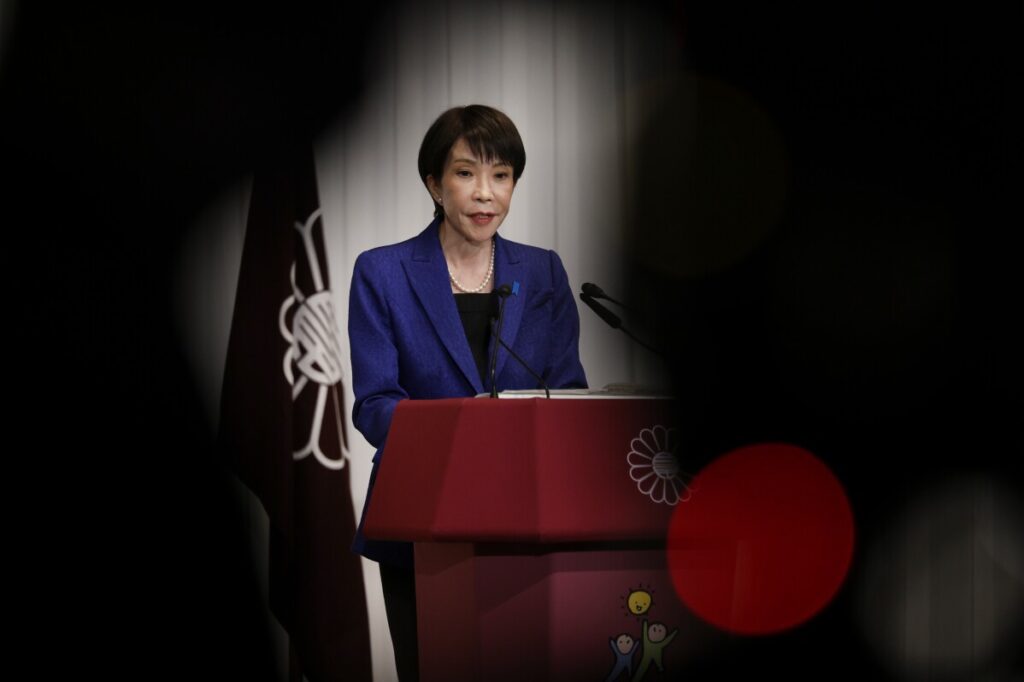
Japan’s reappointment of Prime Minister Sanae Takaichi marks more than just political continuity—it signals a decisive shift toward nationalist and hawkish policies that could reshape regional dynamics at a critical juncture. With her Liberal Democratic Party commanding a two-thirds supermajority in the lower house, Takaichi’s push for increased military power, conservative social stances, and fiscal expansion demands close scrutiny—especially from an America First vantage point.
Can Japan Strengthen Its Defense Without Sacrificing Economic Stability?
Takaichi is determined to bolster Japan’s military capabilities, including lifting bans on lethal arms exports and potentially developing nuclear-powered submarines. These moves aim to counter a rising China that increasingly challenges American influence in the Asia-Pacific. For the U.S., having a strong Japanese ally capable of deterring Chinese aggression is vital to preserving national sovereignty across the region.
Yet this ambition comes amid economic hurdles—rising prices, stagnant wages, and mounting debt—that could compromise long-term stability. Takaichi’s call for expanded government spending and a two-year sales tax cut on food products risks ballooning public debt further. How long can Japan afford such fiscal looseness without endangering both its economy and its capacity to support robust defense funding?
Is Conservatism Serving Japan’s Future or Holding It Back?
Takaichi’s push to tighten immigration rules, uphold male-only imperial succession, oppose same-sex marriage, and resist modernizing family name laws reflects an anxious society grappling with demographic decline but unwilling to embrace necessary reforms. While these social policies may resonate with nationalist voters seeking cultural preservation, they risk deepening labor shortages and alienating allies that champion individual liberties.
The prime minister’s endorsement by President Trump underscores shared priorities in confronting China’s rise; however, balancing deference with the courage to assert national interests independently remains a delicate act. As Takaichi prepares for high-stakes talks with Washington, the question looms: will she stand firm as a strategic partner or become overly compliant at the expense of Japan’s sovereign interests?
For Americans invested in Pacific security and global stability, watching Japan navigate its internal debates over identity, defense, and economy is critical. A strong Japan aligned with America bolsters our collective strength against autocratic threats—but only if it can harmonize nationalist resolve with pragmatic governance.