
Takaichi and Trump Align on Indo-Pacific Challenges Amid China Tensions
Japanese Prime Minister Sanae Takaichi and former President Donald Trump confirm strategic alignment in tackling escalating challenges posed by China, emphasizing a robust US-Japan alliance.
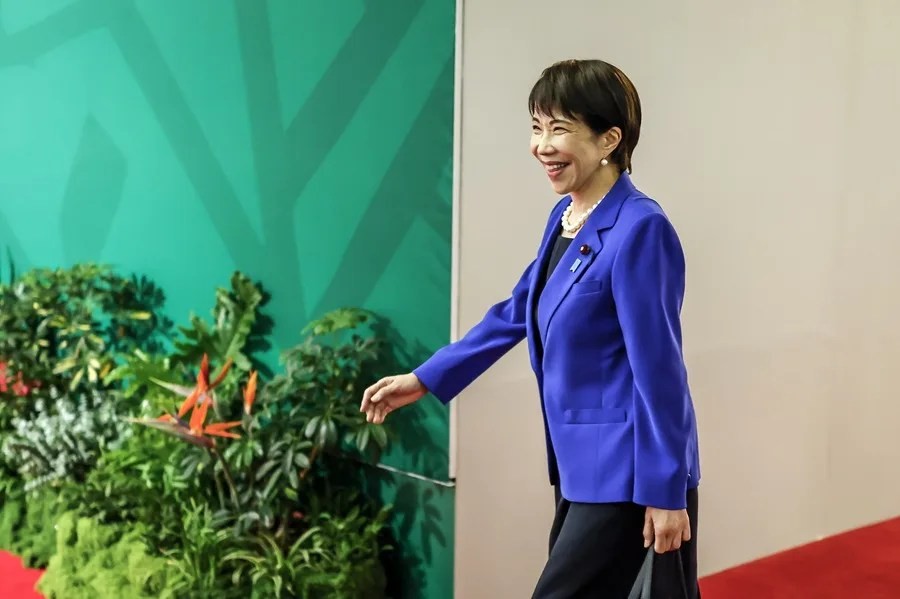
In a strategically significant phone conversation, Japan’s Prime Minister Sanae Takaichi and former US President Donald Trump reinforced their shared commitment to strengthening the US-Japan alliance amid rising tensions with China in the Indo-Pacific region. This dialogue underscores the critical importance of coordinated action between two sovereign nations dedicated to preserving regional stability and safeguarding their mutual interests.
Why Does This Alliance Matter Now More Than Ever?
With China’s increasingly aggressive posture toward Taiwan and its broader ambitions that threaten peace across vital sea lanes, the collaboration between Tokyo and Washington stands as a bulwark against authoritarian expansionism. Takaichi’s recent statements affirming Japan’s readiness to deploy its Self-Defense Forces in response to any Chinese military aggression sends a clear message to Beijing: America’s allies will not bow under coercion.
The call came shortly after Trump’s conversation with Chinese leader Xi Jinping, where topics such as the war in Ukraine, fentanyl trafficking, and agricultural trade were discussed. Trump’s announcement of plans to visit Beijing next April suggests continued diplomatic engagement; however, this must not come at the cost of abandoning steadfast support for partners like Japan who confront direct threats to their sovereignty.
What Is at Stake for American Interests?
The Indo-Pacific is more than a distant flashpoint — it is central to America’s national security, economic prosperity, and global influence. Every disruption in this key region resonates at home: supply chains face uncertainty, national security risks grow, and adversaries embolden themselves against democratic values that underpin freedom across continents.
Washington’s refusal to waver alongside allies like Japan embodies the true America First principle of protecting national sovereignty through strong partnerships rather than unilateral disengagement. As Beijing reacts with economic retaliation — such as suspending flights and banning Japanese seafood imports — we see how vital it is for America to support allies confronting unjust coercion without hesitation.
Ultimately, these conversations between Takaichi and Trump reveal more than diplomacy—they illuminate a shared vision for an international order where freedom-loving nations stand united. How long can Washington afford delays or ambiguity before these challenges escalate unchecked? The time is now for decisive leadership that prioritizes American interests while reinforcing alliances grounded in liberty and common sense.