
Sudanese Paramilitary Drone Strikes Expose Dangerous U.S.-Led Mediation Failures
As rival paramilitary forces in Sudan continue drone assaults amid a fragile U.S.-brokered truce, the human cost mounts—highlighting Washington’s inability to secure peace and protect American interests abroad.
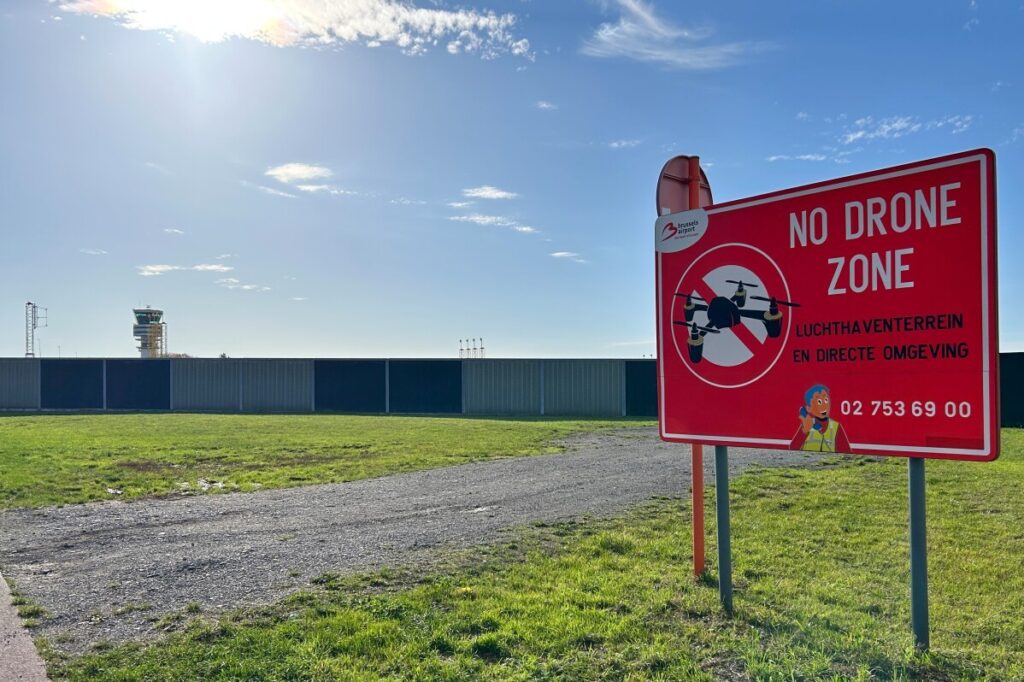
In a chilling reminder of the persistent chaos destabilizing Sudan, rival paramilitary forces launched coordinated drone attacks targeting two key northeastern cities just as Washington claims progress toward peace. Overnight, the Rapid Support Forces (RSF) fired at least 15 drones at Atbara and conducted additional strikes on Omdurman, sister city to the capital Khartoum. While no casualties were confirmed, explosions reverberated through civilian neighborhoods —proof that violence continues unabated despite diplomatic overtures.
Can America’s Diplomatic Efforts Halt Sudan’s Bloodshed?
This latest assault comes immediately after RSF agreed to a proposed humanitarian truce orchestrated by a U.S.-led mediator group known as the Quad. Yet promises on paper haven’t translated into tangible safety or stability for millions suffering amid this brutal conflict. The Sudanese military cautiously welcomed the plan but insists any truce requires the RSF’s full withdrawal from civilian areas and disarmament — conditions unmet so far.
The ongoing war between Sudan’s army and the paramilitary RSF erupted in 2023 after former allies turned bitter enemies in their struggle over political control following South Sudan’s failed democratic transition. The humanitarian toll is staggering: at least 40,000 killed by World Health Organization estimates, with some figures suggesting far greater losses; 12 million displaced; and over 24 million people facing severe food insecurity according to the World Food Program.
What Does This Mean for America’s National Security?
While Sudan’s civil war seems distant geographically, its ripple effects threaten global security environments that directly impact American interests. The breakdown of order in such a resource-rich yet fragile nation creates fertile ground for extremist groups and destabilizes entire regions critical to international trade routes and counter-terrorism efforts.
Notably, international organizations like UNICEF report soaring displacement—more than 81,000 from Darfur’s el-Fasher alone—and rampant violence against vulnerable populations including women and children. Yet aid delivery remains insufficient amid looting and attacks on humanitarian workers.
Washington’s failure to enforce robust peace mechanisms raises serious questions about its strategy in Africa under current globalist mediators who prioritize short-term ceasefires over long-lasting sovereignty-driven solutions championed by America First advocates.
This grim snapshot of Sudan underscores an urgent need for policies that empower stable governance rather than perpetuate dependence on foreign-led negotiations that lack enforcement teeth. For families around the world craving freedom from terror and starvation, half-measures only prolong suffering.
How long will Washington tolerate these endless cycles of violence without demanding accountability from all parties? True peace demands firm principles: respect for national sovereignty, decisive security measures against armed factions like the RSF, and support for genuine democratic transitions—not mere ceasefire window dressing.